
If you’ve ever felt a burning sensation creeping up your chest after a meal, you’re not alone. That’s acid reflux—and surprisingly, it’s often triggered by what’s on your plate. Understanding the foods that lead to acid reflux is your first step toward easing that discomfort.
Over the years, I’ve seen friends struggle with heartburn and indigestion—one even gave up her favorite tomato soup. It wasn’t until she learned how certain foods affect the esophagus and stomach valve that she found relief. If you're still unsure what to cut back on, start here.
1. Spicy Foods
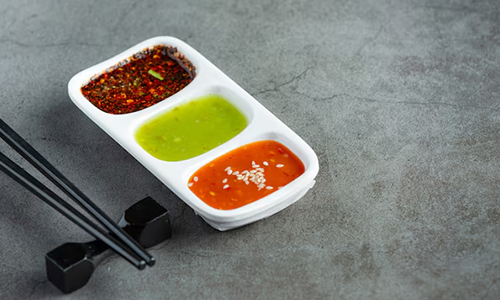
Think chili peppers, hot sauces, wasabi, and even black pepper in excess. These stimulate the digestive tract and can weaken the lower esophageal sphincter (LES), allowing acid to flow back up.
Common triggers: jalapeños, hot curry, buffalo wings
What to do instead: Opt for herbs like basil, oregano, or ginger to add flavor without the burn.
2. Citrus Fruits & Juices

Oranges, lemons, grapefruits, and their juices are highly acidic. They can irritate the esophageal lining and worsen reflux symptoms, especially on an empty stomach.
Guilty items: orange juice, lemonade, grapefruit segments
Try instead: Low-acid fruits like bananas, melons, or apples.
3. Tomato-Based Foods
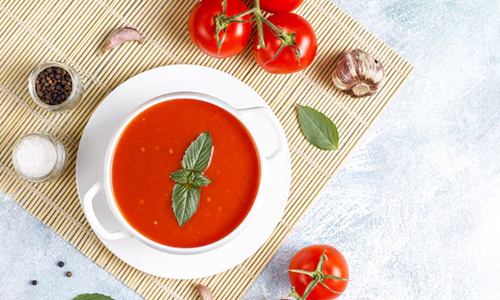
Tomatoes are naturally acidic, and when concentrated (like in sauces), they can easily trigger heartburn.
Watch out for: marinara sauce, ketchup, tomato soup, pizza
Swaps that help: Try pesto-based pasta or white sauces with herbs instead.
4. Fried and Fatty Foods
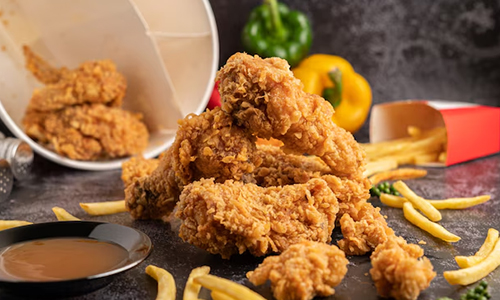
- High-fat meals delay stomach emptying, increasing pressure on the LES and making reflux more likely.
Offenders include: french fries, burgers, fried chicken, creamy dressings
A better route: Choose grilled, baked, or steamed options and go for lean meats.
5. Chocolate
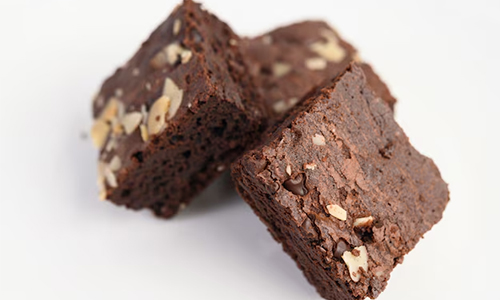
Yes, it’s sad news—but chocolate contains caffeine and theobromine, both of which relax the LES. Add in fat and sugar, and you’ve got a reflux recipe.
Hidden sources: hot cocoa, chocolate bars, brownies
In moderation: Switch to small amounts of dark chocolate or go for fruit-based desserts.
6. Caffeinated Beverages

Caffeine relaxes the LES and increases stomach acid production.
Top culprits: coffee, black tea, energy drinks
Tips: If you can’t give it up completely, try decaf or limit yourself to one small cup in the morning.
7. Carbonated Drinks and Alcohol

Bubbles in sodas expand in your stomach and increase pressure. Alcohol—especially red wine and beer—can relax the LES and increase acid production.
Examples: soda, sparkling water, beer, wine
What helps: Still water, herbal teas, or mocktails with cucumber and mint.
What Doctors Say About Acid Reflux Triggers
Gastroenterologists agree: keeping a food diary can help you pinpoint which foods that lead to acid reflux are your personal triggers. They also recommend smaller, more frequent meals and avoiding late-night snacking.
3 Simple Tips to Reduce Reflux Naturally

- Don’t lie down after eating – Wait 2-3 hours before bed.
- Elevate your head while sleeping – Use an incline to prevent nighttime reflux.
- Chew your food well – Digestion starts in the mouth. Take your time!
What People Like You Often Ask
1. Can acid reflux go away if I avoid trigger foods?
For many, yes! Identifying and avoiding personal triggers can significantly reduce symptoms. Combined with lifestyle changes, it can be manageable without medication.
2. Is milk good or bad for acid reflux?
It depends. While cold milk may soothe for a while, full-fat milk can worsen symptoms. Choose low-fat or plant-based alternatives.
3. Is it okay to drink water during meals?
Yes, sipping water during meals is fine and may actually help digestion—but avoid drinking excessive amounts which could bloat your stomach.
4. Should I completely avoid all 7 foods?
Not necessarily. Everyone’s triggers are different. Try reducing or eliminating one at a time to see what helps.
Recognizing the foods that lead to acid reflux is the first step to better gut health. Reflux doesn't mean the end of your favorite meals—but it does mean making smarter choices. The good news? Once you figure out your triggers, you’ll breathe easier (and sleep better) at night.