
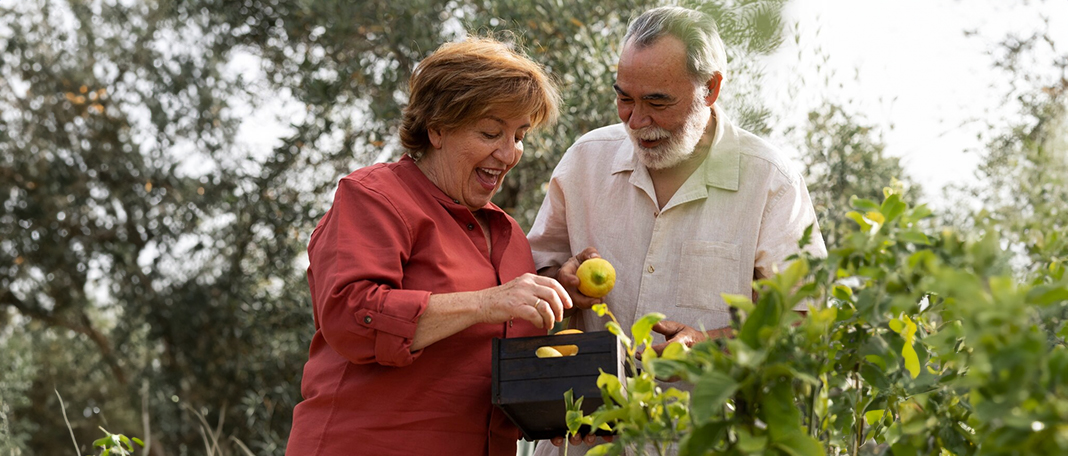
Most of us grow up with a mental checklist of what “old age” looks like: gray hair, slowed movement, forgetfulness, loneliness, and a general sense that life has started winding down. But here’s the truth—many of these beliefs are just that: myths. Outdated ideas passed around without question.
As someone who has seen both my grandmother hike a hill at 72 and my uncle struggle with mobility at 55, I’ve realized that aging isn’t one-size-fits-all. It’s not the number of candles on your birthday cake, but how you care for your mind, body, and choices along the way.
So let’s talk about the myths about growing old that we need to stop believing—because aging can be just as vibrant, fulfilling, and healthy as any other phase of life.
Myth 1: Growing Old Means Poor Memory and Dementia
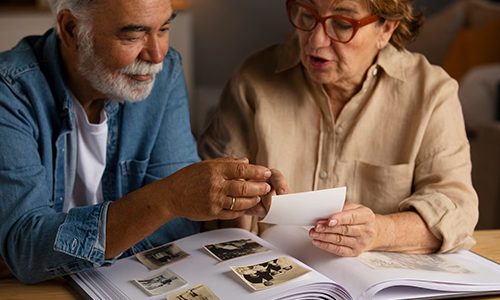
Reality: Occasional forgetfulness is normal at any age (hello, misplaced keys!). While the risk of cognitive decline does increase with age, dementia is not a normal part of aging. The Alzheimer's Association reports that only about 1 in 9 people aged 65+ has Alzheimer’s. That means most seniors maintain sharp mental faculties.
What Helps:
- Staying mentally active through puzzles, reading, or learning new skills
- Regular exercise and good sleep
- A heart-healthy diet like the Mediterranean diet
- Think of your brain like a muscle. Use it, and you don’t lose it.
Myth 2: Older Adults Shouldn’t Exercise
Reality: This couldn’t be more wrong. Regular movement is even more important as we age. Physical activity reduces the risk of heart disease, stroke, diabetes, depression, and even certain cancers.
Even light exercises like yoga, tai chi, or water aerobics can improve:
- Flexibility
- Bone strength
- Mood
- Balance (which helps prevent falls!)
One of my mom’s friends began strength training at 68. Now at 70, she’s lifting more than I do at the gym!
Myth 3: Seniors Don’t Need Much Sleep

Reality: Older adults still need 7–9 hours of sleep per night. Changes in sleep patterns may occur (like waking earlier or lighter sleep), but needing less sleep isn’t part of healthy aging.
Insomnia, sleep apnea, and restless leg syndrome are common with age—and should be addressed, not ignored.
Good sleep hygiene—like consistent bedtime, reduced screen time, and calming routines—can drastically improve sleep quality.
Myth 4: Loneliness and Depression Are Inevitable
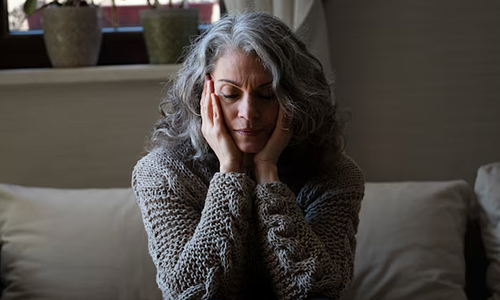
Reality: While social circles may shrink due to retirement or loss, loneliness doesn’t have to be a given. With the right support and mindset, older adults can have deeply fulfilling social lives.
Depression, however, is often underdiagnosed in older adults—mistaken as a “normal” part of aging. It’s not.
If an older loved one withdraws, loses interest, or changes eating or sleep habits—check in. Mental health matters at every age.
Myth 5: You Can’t Learn New Things After a Certain Age

Reality: Science says otherwise. The brain remains neuroplastic—able to form new connections—throughout life. Whether it’s learning a language, picking up a musical instrument, or exploring technology, you’re never too old.
In fact, engaging in new challenges has been shown to sharpen memory, delay cognitive decline, and boost confidence.
Expert Insight
According to Dr. Amanda Kelly, a geriatric specialist: “The narrative around aging is long overdue for a rewrite. Older adults are capable, resilient, and often healthier than we give them credit for. The key lies in early prevention, active engagement, and respecting their independence.”
These myths about growing old hold us back—from caring for our elders the way they deserve, from preparing for our own futures with optimism, and from celebrating aging as a natural, beautiful process.
So let’s flip the script. Aging doesn’t mean decline. It means growth, experience, and often, a whole new freedom to focus on what truly matters.
What People Like You Often Ask about Growing Old

1. What’s the best way to stay mentally sharp as I age?
Stay curious. Read books, engage in discussions, play memory games, or even take up new hobbies that challenge your brain.
2. Is it normal to feel depressed after retirement?
Some emotional adjustment is expected, but prolonged sadness or withdrawal isn’t. It’s okay to seek therapy or talk to your doctor.
3. Can diet really affect aging?
Absolutely. Diets rich in fruits, vegetables, lean protein, and omega-3s help reduce inflammation, boost immunity, and protect the brain.
4. How can I help an aging parent feel more connected?
Encourage them to join community centers, virtual classes, or hobby clubs. Regular calls, visits, or even teaching them to use technology can make a huge difference.