
According to the statistics, 14.7% of the population suffered from any form of tinnitus, 6.0% experienced “bothersome” tinnitus, and 1.2% experienced “severe” tinnitus.
So, it is clear that most of the people are affected by tinnitus. Now come to the point, ‘What is Tinnitus?’ Do you have any idea? If not, this blog serves as your complete guide and suggests you some home remedies for tinnitus.
What is Tinnitus?
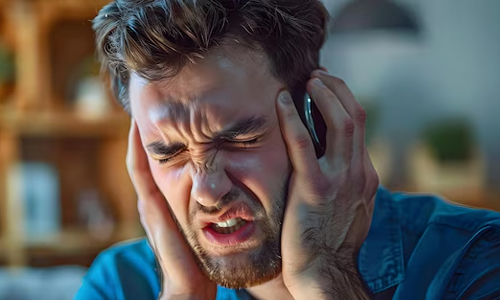
Tinnitus is the perception of noise or ringing in the ears when no external sound is present. It can manifest as ringing, buzzing, hissing, or whistling sounds and can vary in pitch and intensity. Tinnitus can be intermittent or continuous and may affect one or both ears. Common causes include exposure to loud noises, age-related hearing loss, ear infections, and certain medications.
What are the Causes of Tinnitus?
Tinnitus often arises from a combination of factors, and while experts don't fully understand why it affects some people and not others, it is commonly linked to several medical conditions:
1. Age-Related Hearing Loss

As people age, the brain receives less auditory stimulation due to hearing loss, which may cause the hearing nerve to continue firing at its usual rate, leading to the perception of sounds that aren't there. This affects about 1 in 3 adults over 65.
2. Noise-Induced Hearing Loss (NIHL)
Prolonged exposure to loud noises or a single loud event, such as an explosion, can damage the auditory system, leading to hearing loss and tinnitus.
3. Ear Injuries and Trauma
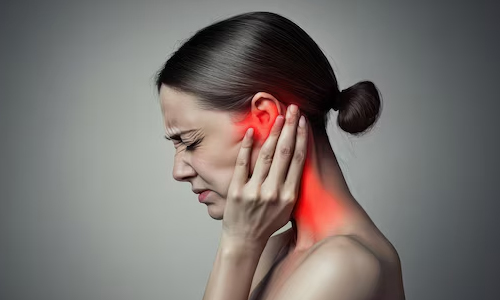
Injuries affecting the auditory nerves or brain areas involved in hearing can trigger tinnitus, often in just one ear.
4. Ear Bone Changes (Otosclerosis)
Abnormal bone growth in the middle ear can stiffen the bones, impair hearing, and cause tinnitus. This hereditary condition tends to run in families.
5. Medications

Certain drugs, including some antibiotics, antidepressants, cancer treatments, and NSAIDs, are known to cause tinnitus as a side effect.
6. Meniere's Disease
Tinnitus may signal the onset of Meniere's disease, an inner ear disorder often linked to abnormal fluid pressure in the ear.
7. Eustachian Tube Dysfunction
This condition occurs when the tube connecting the middle ear to the throat stays open, leading to a sensation of fullness in the ear and potentially causing tinnitus.
8. Muscle Spasms in the Inner Ear
Spasms of the muscles in the inner ear can lead to tinnitus, hearing loss, and a sensation of fullness. These spasms may occur without a clear cause or be related to neurologic diseases like multiple sclerosis.
9. Temporomandibular Joint (TMJ) Disorders
Issues with the TMJ, located near the ears where the jawbone meets the skull, can cause tinnitus due to its proximity to the auditory system.
10. Acoustic Neuroma and Other Tumors
Acoustic neuroma, a benign tumor on the cranial nerve that affects hearing and balance, can cause tinnitus. Other tumors in the head, neck, or brain may also lead to tinnitus symptoms.
11. Blood Vessel Disorders
Conditions such as atherosclerosis, high blood pressure, or malformed blood vessels can alter blood flow, creating or amplifying the perception of tinnitus.
Symptoms of Tinnitus
1. Ringing in the Ears

Ringing in the ears, a common symptom of tinnitus is the perception of a persistent or intermittent ringing sound without an external source. It can vary in pitch and volume and may affect one or both ears. This symptom can be distressing and disrupt daily activities and sleep.
2. Buzzing, Hissing, or Whistling
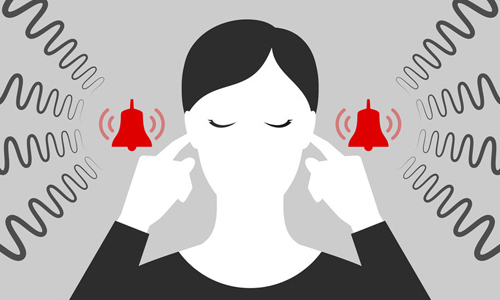
Buzzing, hissing, or whistling sounds are variations of tinnitus, where individuals hear noises that resemble these descriptions without an external source. These sounds can be continuous or intermittent and vary in pitch and intensity. Such variations can add to the discomfort and difficulty in managing tinnitus.
3. Intermittent or Continuous Noise
Tinnitus can present as either intermittent or continuous noise, with sounds that may come and go or persist constantly. Intermittent noise means the ringing or buzzing occurs sporadically, while continuous noise is a persistent sound that doesn't stop. Both types can significantly impact concentration, sleep, and overall quality of life.
4. Impact on Quality of Life
Tinnitus can significantly impact the quality of life, leading to difficulties with concentration, sleep disturbances, and heightened stress or anxiety. The constant or intermittent noise can be distracting and frustrating, making daily tasks and social interactions challenging. Over time, the persistent nature of tinnitus may also contribute to feelings of isolation or depression
Must Read: 7 Common Bedtime Mistakes
31 Quick and Practical Home Remedies for Tinnitus
1. White Noise Machine
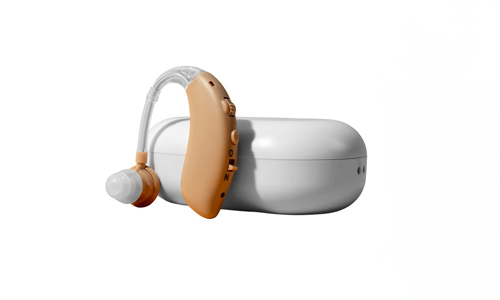
It produces a consistent sound that can help mask the ringing or buzzing of tinnitus. The noise can be similar to the sound of a fan or rain and can provide a soothing background that distracts from the buzzing sound you hear.
| Who Can Use It? | When to Avoid? | Risk Rating | Risks | Cure Rating |
| All age groups, particularly those who find tinnitus more bothersome in quiet settings or at night. | Avoid using it if the sound aggravates your tinnitus or if you have conditions that are sensitive to sound. Individuals with hearing impairments or those with sensitive hearing might find white noise irritating. | Low | Prolonged exposure to loud sounds from the machine could potentially affect hearing, so it’s important to keep the volume at a comfortable level. | Moderate |
2. Ginkgo Biloba
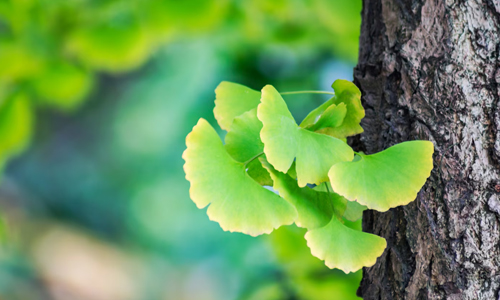
It is an herbal remedy believed to enhance blood circulation and reduce tinnitus symptoms. It may help improve blood flow to the inner ear, potentially alleviating ringing sounds. The typical dose is 120–240 mg of standardized extract daily.
| Who Can Use It? | When to Avoid? | Risk Rating | Risks | Cure Rating |
| Adults, particularly those experiencing age-related tinnitus or poor circulation. | Individuals with bleeding disorders or those on blood-thinning medications. | Moderate | Bleeding risk, gastrointestinal issues. | Moderate |
3. Tinnitus Retraining Therapy (TRT)
TRT combines sound therapy with counseling to help individuals manage this issue by retraining the brain to ignore the sounds. It involves regular sessions with a therapist.
| Who Can Use It? | When to Avoid? | Risk Rating | Risks | Cure Rating |
| Adults and teens with persistent tinnitus affecting daily life. | Not suitable for those unwilling to commit to therapy sessions or those with severe psychological conditions. | Low | Time commitment, potential emotional stress. | High |
4. Acupuncture

It involves inserting fine needles into specific points on the body to balance energy and improve circulation.
| Who Can Use It? | When to Avoid? | Risk Rating | Risks | Cure Rating |
| Adults, particularly those looking for alternative therapies for chronic tinnitus. | Avoid if you have bleeding disorders or are uncomfortable with needle-based treatments. | Low | Infection, bleeding, discomfort. | Moderate |
5. Apple Cider Vinegar

ACV may help balance pH levels and reduce ear infections due to its antibacterial properties. Dilute 1–2 tablespoons in a glass of water and drink daily.
| Who Can Use It? | When to Avoid? | Risk Rating | Risks | Cure Rating |
| Adults, particularly those with tinnitus, are linked to infections or inflammation. | People with acid reflux or digestive issues should avoid ACV due to its acidic nature. | Moderate | Acid erosion, gastrointestinal discomfort. | Low |
6. Avoiding Loud Noises
Protecting your ears from loud noises can prevent further damage and manage the issue. You may use earplugs or earmuffs in noisy environments.
| Who Can Use It? | When to Avoid? | Risk Rating | Risks | Cure Rating |
| All age groups, especially those exposed to loud environments, regularly. | No specific restrictions. | Low to None | None if used correctly | Moderate |
7. Zinc Supplements

Zinc deficiency is sometimes linked to tinnitus. Supplementing with 30 mg of zinc daily may help if a deficiency is present.
| Who Can Use It? | When to Avoid? | Risk Rating | Risks | Cure Rating |
| Adults, particularly those with diagnosed zinc deficiency or older adults. | Avoid excessive use, as it can cause toxicity. Consult a healthcare provider before starting, especially if pregnant or breastfeeding. | Low | Toxicity, interaction with other medications. | Moderate |
8. Essential Oils

Essential oils like lavender and rosemary may help reduce tinnitus through their calming and anti-inflammatory properties. Dilute and apply around the ears or on pulse points.
| Who Can Use It? | When to Avoid? | Risk Rating | Risks | Cure Rating |
| Adults, particularly those looking for natural home remedies. | Avoid if you have sensitive skin or allergies to essential oils. | Low | Allergic reactions, skin irritation. | Low |
9. Chiropractic Adjustments
It can address spinal misalignments that affect ear function. By improving nerve function and circulation, it may help reduce tinnitus.
| Who Can Use It? | When to Avoid? | Risk Rating | Risks | Cure Rating |
| Adults, particularly those with spinal issues, contribute to tinnitus. | Avoid if you have severe spinal conditions or are uncomfortable with manual adjustments. | Low to Moderate | Discomfort, risk of spinal injury. | Moderate |
10. Garlic

It has anti-inflammatory properties and may help reduce tinnitus by improving blood circulation. Consume raw garlic or use garlic oil. To make garlic oil, heat minced garlic in olive oil, cool, and strain.
| Who Can Use It? | When to Avoid? | Risk Rating | Risks | Cure Rating |
| Adults with tinnitus possibly related to inflammation or poor circulation. | People with gastrointestinal issues or on blood-thinning medications should avoid high garlic intake. | Moderate | Gastrointestinal irritation increases bleeding risk. | Low to Moderate |
11. Ginger Tea
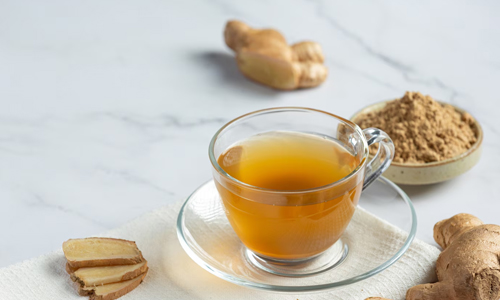
It also has anti-inflammatory properties and may improve circulation. Drinking ginger tea regularly can aid in reducing tinnitus symptoms.
| Who Can Use It? | When to Avoid? | Risk Rating | Risks | Cure Rating |
| Adults, especially those with tinnitus, are linked to inflammation or poor circulation. | Those with gastrointestinal issues or allergies to ginger should avoid it. | Low | Gastrointestinal discomfort, allergic reactions. | Low to Moderate |
12. Yoga and Meditation

Yoga and meditation can reduce stress and improve overall well-being, which may help manage tinnitus. Regular practice promotes relaxation and mental calmness.
| Who Can Use It? | When to Avoid? | Risk Rating | Risks | Cure Rating |
| Adults and teens experiencing tinnitus exacerbated by stress. | Not recommended for individuals with severe physical disabilities or those unable to engage in physical activity. | Low | Physical strain, potential discomfort. | Moderate |
13. Vitamin B12
Vitamin B12 deficiency is linked to hearing issues. Supplementing with Vitamin B12 may help if a deficiency is contributing to tinnitus.
| Who Can Use It? | When to Avoid? | Risk Rating | Risks | Cure Rating |
| Adults, especially older adults or those with diagnosed B12 deficiency. | Avoid high doses without medical supervision to prevent toxicity. | Low | Toxicity, interaction with medications. | Moderate |
14. Acupressure
It involves applying pressure to specific points on the body to relieve symptoms. It can help improve circulation and reduce tinnitus.
| Who Can Use It? | When to Avoid? | Risk Rating | Risks | Cure Rating |
| Adults, particularly those interested in alternative therapies. | Avoid if you have bleeding disorders or are uncomfortable with pressure-based treatments. | Low | Bruising, discomfort. | Moderate |
15. Herbal Teas

Herbal teas such as chamomile or peppermint may have calming effects that can help manage tinnitus. They promote relaxation and reduce stress.
| Who Can Use It? | When to Avoid? | Risk Rating | Risks | Cure Rating |
| Adults, particularly those looking for natural relaxation methods. | Avoid if you have allergies to specific herbs or gastrointestinal issues. | Low | Allergic reactions, gastrointestinal discomfort. | Low |
16. Echinacea
It is used to boost the immune system and may help with tinnitus linked to infections. It can be taken as a tea or supplement.
| Who Can Use It? | When to Avoid? | Risk Rating | Risks | Cure Rating |
| Adults with tinnitus related to infections or inflammation. | Avoid if you have allergies to echinacea or autoimmune conditions. | Low | Allergic reactions, interaction with medications. | Moderate |
17. Magnesium
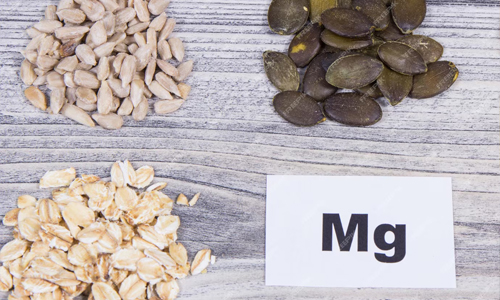
Magnesium supports nerve function and may reduce tinnitus symptoms. Consuming magnesium-rich foods or supplements may help manage tinnitus.
| Who Can Use It? | When to Avoid? | Risk Rating | Risks | Cure Rating |
| Adults, especially those with a magnesium deficiency or related health conditions. | Avoid excessive use to prevent toxicity. Consult a healthcare provider if you have kidney problems. | Low | Toxicity, kidney strain. | Moderate |
18. Limit Caffeine and Alcohol
Reducing caffeine and alcohol intake can help manage tinnitus by minimizing their stimulatory effects on the nervous system.
| Who Can Use It? | When to Avoid? | Risk Rating | Risks | Cure Rating |
| All age groups | No specific restrictions | Low | Withdrawal symptoms, dietary adjustments. | Low to Moderate |
19. Avoiding Smoking

Smoking can worsen tinnitus by damaging blood vessels and affecting ear health. Quitting smoking can improve overall health.
| Who Can Use It? | When to Avoid? | Risk Rating | Risks | Cure Rating |
| All age groups, particularly smokers experience tinnitus. | No specific restrictions | Low | Withdrawal symptoms, lifestyle adjustments. | Moderate |
20. Cognitive Behavioral Therapy (CBT)
CBT helps individuals manage tinnitus by addressing the emotional and psychological impact through cognitive restructuring and coping strategies.
| Who Can Use It? | When to Avoid? | Risk Rating | Risks | Cure Rating |
| Adults and teens with tinnitus causing significant distress or affecting mental health. | Not suitable for those unwilling to engage in therapy or with severe cognitive impairments.
|
Low | Emotional discomfort, time commitment. | High |
21. Massage Therapy
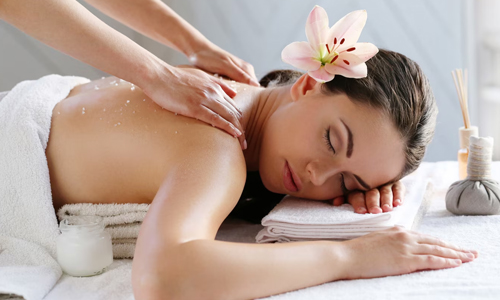
Massages can improve blood circulation and reduce muscle tension, potentially alleviating tinnitus. Focus on the neck, shoulders, and jaw areas.
| Who Can Use It? | When to Avoid? | Risk Rating | Risks | Cure Rating |
| Adults, particularly those with tinnitus, are linked to muscle tension or circulation issues. | Avoid if you have severe neck or shoulder injuries or certain medical conditions affecting blood circulation. | Low | Bruising, discomfort. | Moderate |
22. Earwax Removal
Removing excess earwax can alleviate tinnitus caused by blockages. Use softening ear drops or consult a healthcare professional for safe removal.
| Who Can Use It? | When to Avoid? | Risk Rating | Risks | Cure Rating |
| All age groups experience earwax buildup. | Avoid if you have a history of ear infections or if unsure about the proper method of earwax removal. | Low | Ear canal damage, infection. | Moderate |
23. Earplugs
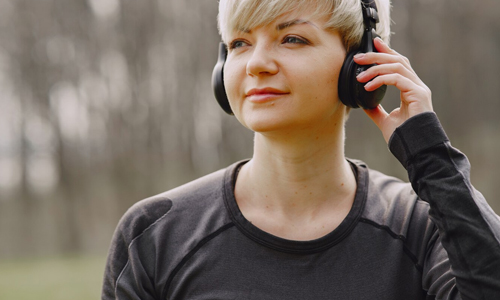
Using earplugs in noisy environments can prevent further ear damage and manage the symptoms. They help protect against loud sounds that can worsen the problem.
| Who Can Use It? | When to Avoid? | Risk Rating | Risks | Cure Rating |
| All age groups, particularly those exposed to loud environments. | No specific restrictions. | Low | Discomfort, and potential ear infections if not used properly. | Low to Moderate |
24. Breathing Exercises
Breathing exercises like diaphragmatic breathing can help reduce stress and improve overall well-being, which may alleviate the symptoms.
| Who Can Use It? | When to Avoid? | Risk Rating | Risks | Cure Rating |
| All age groups, especially those experiencing stress-related tinnitus | No specific restrictions. | Low to None | None | Low to Moderate |
25. Dietary Adjustments

Eating a balanced diet rich in antioxidants and low in processed foods can support overall health. Focus on fruits, vegetables, and whole grains.
| Who Can Use It? | When to Avoid? | Risk Rating | Risks | Cure Rating |
| All age groups. | There are no specific restrictions unless medical conditions contraindicate dietary changes. | Low to None | None | Low to Moderate |
26. Hydration
Staying hydrated is crucial as dehydration can result in ringing noise. Drink at least 8 glasses of water daily to support overall health and ear function.
| Who Can Use It? | When to Avoid? | Risk Rating | Risks | Cure Rating |
| All age groups. | No specific restrictions unless medical conditions contraindicate dietary changes. | Low to None | None | Low |
27. Sound Therapy
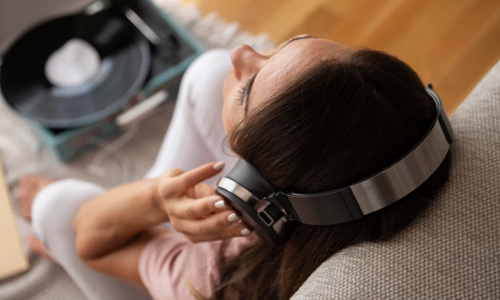
It uses external sounds to mask or distract from the ringing noise. Soothing natural sound can improve your well-being.
| Who Can Use It? | When to Avoid? | Risk Rating | Risks | Cure Rating |
| All age groups, particularly those who find tinnitus distressing. | No specific restrictions unless sound therapy exacerbates symptoms. | Low | None if used correctly. | Moderate |
28. Biofeedback Therapy
Biofeedback therapy teaches individuals to control physiological responses through relaxation techniques. It can help manage the issue by reducing stress and improving coping strategies.
| Who Can Use It? | When to Avoid? | Risk Rating | Risks | Cure Rating |
| Adults affected by stress or anxiety. | Avoid if you are unable or unwilling to engage in the therapy. | Low | Emotional stress, time commitment. | Moderate |
29. Avoiding Triggers
Identifying and avoiding triggers such as loud noises, caffeine, and alcohol can help manage tinnitus. Keep a diary to track symptoms and potential triggers.
| Who Can Use It? | When to Avoid? | Risk Rating | Risks | Cure Rating |
| All age groups, particularly those sensitive to specific triggers. | No specific restrictions. | Low | None of the triggers are effectively managed. | Low to Moderate |
30. Chiropractic Care
Chiropractic adjustments may address issues related to spinal alignment. Regular adjustments can improve nerve function and circulation.
| Who Can Use It? | When to Avoid? | Risk Rating | Risks | Cure Rating |
| Adults with spinal issues contributing to tinnitus. | Avoid if you have severe spinal conditions or are uncomfortable with manual adjustments. | Low | Discomfort, potential spinal injury. | Moderate |
31. Reiki
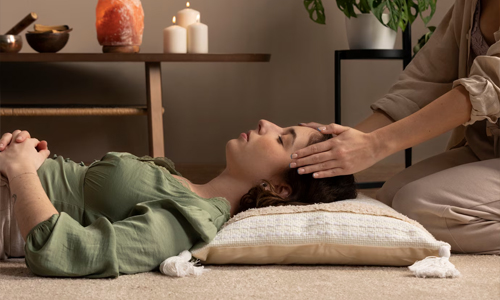
It is an energy healing technique that involves lightly placing hands on or near the body to promote healing and balance. Reducing stress may help manage the issue.
| Who Can Use It? | When to Avoid? | Risk Rating | Risks | Cure Rating |
| Adults and teens are interested in alternative healing methods. | Not suitable for those uncomfortable with touch-based therapies or who prefer more traditional treatments. | Low | None, although effectiveness varies. | Low to Moderate |
While home remedies for tinnitus can provide relief and help manage symptoms, it's essential to choose remedies that suit your individual needs and circumstances. Each remedy, from dietary changes to lifestyle adjustments, offers unique benefits and potential risks. Always consult with a healthcare professional before starting any new treatment to ensure it's appropriate for your specific condition. By carefully selecting and applying these home remedies, you can better manage tinnitus and improve your overall quality of life.