
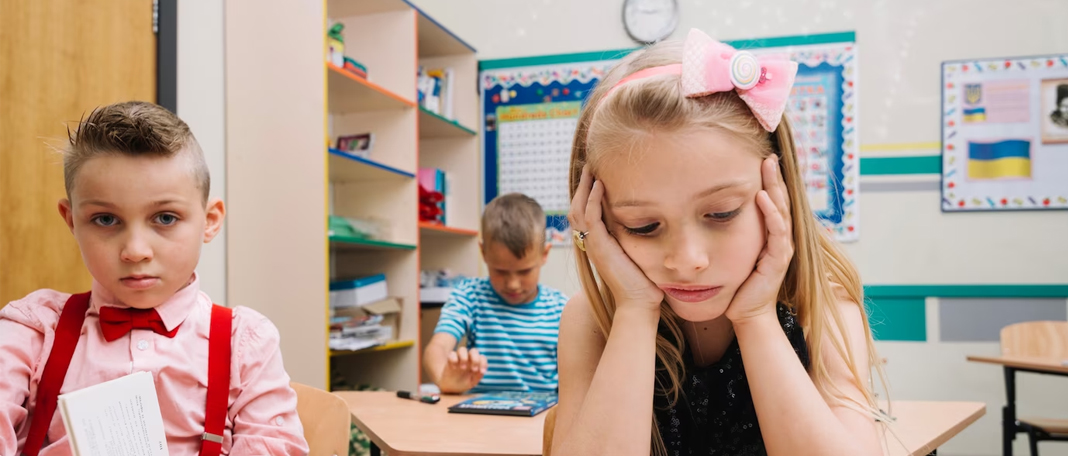
School plays a vital role in grooming the behavior and development of students. School refusal behavior in young adults is a serious issue that is common in many countries. Authorized absences with satisfactory explanations are acceptable. However unauthorized absences are often linked with school attendance problems and refusal behavior.
The Common Reasons for School Absence
- Child-motivated Absence
- Parent-motivated Absence
- School refusal behavior
- Truancy
- School Withdrawal
- School-initiated absence
When Does School Refusal Behavior Occur?
It develops when students refuse to go to school or have severe distress. Children may find school exciting and fun. But one in four children may refuse to attend school. It becomes a routine problem for a few children when it's time to get ready for school. Kids with separation anxiety, social anxiety, or depression show signs of refusal behavior. Parents should understand such behavior and provide proper therapy.
Signs of School Refusal Behavior
- Excessive worry about losing a parent
- Fear that a parent might be harmed
- Unable to spend time alone
- Refusal to sleep alone
Parents might start to notice these signs before the child is 18 years old. If such behavior lasts for more than four weeks or longer, it might affect the kid's social and academics.
Most Common Reasons for School Absence?
- Ill parents
- Sick kids
- Parents separating or having frequent arguments
- A death in the family
- Moving from one house/city to another
- Sibling issues (Possessiveness/jealousy)
- Bullying
- Feeling lost
- Not having friends
- Unable to talk with teachers and classmates
You must read this: Reasons to keep your child from school
What are the Common Symptoms and Signs of School Refusal Behavior?
- A child cries every morning before school
- Adults miss the school bus every day
- Child/adult develops some type of physical symptom regularly when it is time to go to school.
School refusal behavior might happen as early as 5 years. It becomes more common for those between 11-14 years of age. At this stage, children deal with the transition from elementary or middle school to high school. Kids and youth refuse school due to distress. Sometimes they are absent from school without permission
When to Seek Medical Help for School Refusal Behavior?
If you see any of the above-mentioned signs and symptoms for more than four weeks, you must contact a healthcare professional.
How is it Treated?
The treatment involves several psychological approaches cognitive behavior therapy and systematic desensitization, exposure therapy, and operant behavior techniques. The goal of the therapy is to help students change their thoughts and actions into more assertive ways and return to school. Therapeutic techniques like role-playing, reward systems, and modeling result in positive behavior change. Group therapy can be helpful for adults to avoid feelings of isolation, low self-esteem, and isolation.
What Can Teachers Do?
School absence is a problem if the students fail to inform the teachers/staff. Teachers should find the behavioral changes in the students and talk to them. They should offer a welcoming and safe environment. Both teachers and parents should help the kid identify and recognize the factors that trigger school refusal behavior. Zero tolerance for bullying, and practicing relaxation techniques can reduce anxiety.
Is it Possible to Prevent or Control Refusal Behavior?
Listening to your kids will help. Understand their anxiety and stress. Know the real reason. Do not blame them but talk to them in a friendly way to know the real reason.
Discussing the benefits of schooling might work with few children. You must convince the child to go to school by explaining the importance.
Reassuring the kid that a parent/caregiver will be helping the child once they are back from school. They should also have confidence that you'll be there for them when there's a problem at school.
School Refusal Behavior - FAQ
How to manage school refusal?
Use gradual exposure, maintain consistent routines, collaborate with school staff, address underlying anxiety, provide emotional support, and seek professional help when needed.
Which disorder is common with school reluctance and refusal?
Anxiety disorders are most common, including separation anxiety, social anxiety, and generalized anxiety. Depression, ADHD, and autism spectrum disorders also frequently co-occur.
Is school refusal a phobia?
School refusal isn't always a phobia. It can stem from various causes including anxiety, depression, family issues, bullying, or academic problems, not just fear.
How to treat school refusal disorder?
Treatment includes cognitive-behavioral therapy, gradual school reintegration, family therapy, addressing underlying mental health conditions, and coordinated school-home intervention plans.
What is the most common age for school refusal?
School refusal peaks during transition periods: ages 5-7 (starting school), 11-14 (middle school transition), and can occur at any age during stressful periods.
What is the best intervention for school refusal?
A multimodal approach combining cognitive-behavioral therapy, gradual exposure, family involvement, school collaboration, and addressing underlying psychological factors works best.
What are the long-term effects of school refusal?
Long-term effects include academic difficulties, social isolation, increased mental health problems, reduced employment opportunities, and continued avoidance behaviors in adulthood.
Is there a link between ADHD and school refusal?
Yes, children with ADHD have higher rates of school refusal due to academic struggles, social difficulties, executive function challenges, and increased anxiety.
What is school absenteeism versus school refusal behavior?
School absenteeism is any absence from school. School refusal specifically involves emotional distress and difficulty attending due to psychological factors, not truancy.
What role do adolescent and parental factors play in school refusal?
Adolescent factors include anxiety, depression, and social fears. Parental factors include overprotection, family stress, enabling behaviors, and their own anxiety responses.
What are the functional profiles of school refusal behavior?
Four main functions: avoiding anxiety-provoking situations, escaping aversive social situations, gaining attention from significant others, and pursuing tangible rewards outside school.
What psychosocial interventions help school refusal behavior?
Effective interventions include cognitive-behavioral therapy, family therapy, gradual exposure therapy, social skills training, relaxation techniques, and coordinated school-based support programs.
Final Words
Treating children with school-refusal behavior can be a difficult task. A thorough assessment approach with innovative counseling techniques and emotional support might help.
Read next – Reasons to send your child to playschool.