

Have you ever experienced an overwhelming sense of warmth and closeness when you hug a loved one or cuddle with your pet? That’s not just your heart feeling full, it’s likely oxytocin working its magic. Let’s explore what it is, how it influences our connections with others, and why it’s often referred to as the “love hormone.”
What is Oxytocin?
Oxytocin is a fascinating hormone and neurotransmitter that plays a big role in our bodies, affecting both physical and emotional processes. It’s produced in the hypothalamus and released by the posterior pituitary gland. It is super important for things like social bonding, emotional regulation, and reproductive behaviors. It is released during significant life events like childbirth, breastfeeding, feelings of attachment, and trust between people. It even goes by a few interesting nicknames:
- Pitocin: That’s the synthetic version used in medical settings.
- Cuddle Hormone: This name reflects how it promotes bonding and affection.
- Bonding Hormone: This emphasizes its role in forming social connections.
- Trust Hormone: It highlights how it influences trust and emotional ties.
- Love Hormone: A popular term that captures its association with love and intimacy.
Pretty interesting, right?
Why is it called the “Love Hormone”?
You might wonder why it’s called the “love hormone.” It’s released during special moments like hugging, cuddling, or bonding with a newborn. It’s the little boost that makes those experiences feel extra heartwarming. Whether you’re spending time with someone you care about or just chilling with your pet, this hormone is what gives you those cozy, happy feelings.
But it doesn’t stop there. It also plays a role in building trust and empathy between people. It encourages us to connect and communicate more openly, strengthening our relationships.
So, whether you’re sharing a laugh with friends or enjoying a quiet moment with family, it is working behind the scenes, enhancing our connections and deepening our sense of belonging.
Role of Oxytocin
Have you ever wondered just how powerful it is? This amazing hormone plays a vital role in shaping our relationships, emotions, and even the journey of parenthood
1. Oxytocin and Childbirth

During labor, its levels rise to help stimulate contractions. It’s vital for the birthing process and promotes that first beautiful connection between mother and baby.
2. Oxytocin in Lactation
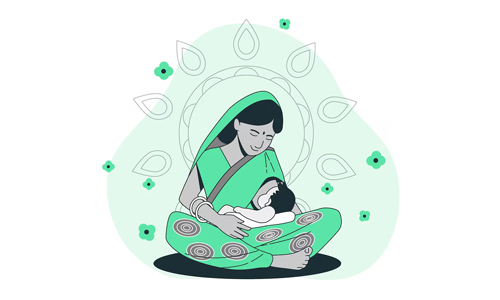
After childbirth, it helps with breastfeeding by promoting the letdown of milk. This not only nourishes the baby but also strengthens the bond between mother and child. Talk about a double win.
3. Oxytocin and Emotions
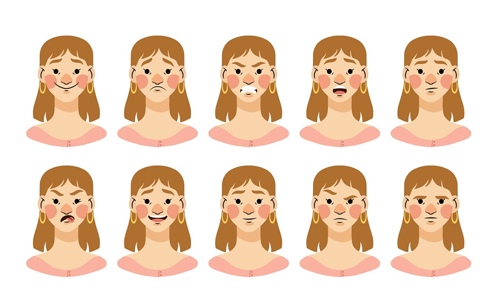
This hormone is a key player in our emotional lives. It enhances feelings of empathy and compassion, helping us connect with others on a deeper level. It’s like having a built-in friendship booster.
4. Oxytocin and Mental Health
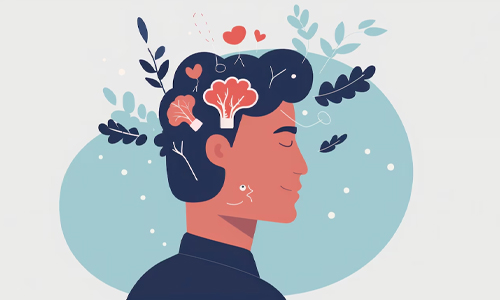
Some studies suggest that it may help alleviate anxiety and depression. By promoting feelings of calm and happiness, it can positively impact our mental well-being.
5. Oxytocin and Stress

Feeling stressed? Oxytocin can help you relax by calming your nerves and reducing stress levels. It works to counteract the body's stress response, making it simpler to relax and enjoy life's moments.
6. Oxytocin and Aging

As we age, our oxytocin levels can decline, which might affect our social bonds and emotional health. Keeping our levels balanced may be key to maintaining strong connections in our later years.
7. Oxytocin and Parenting

This hormone promotes nurturing behavior in parents, encouraging affectionate interactions and bonding with children. It’s a wonderful part of the parenting journey.
What Happens If It Becomes Low?
So, what happens when our oxytocin levels dip? Low oxytocin can lead to feelings of loneliness and emotional detachment, making it harder to connect with others. When it is low, social interactions might feel more challenging, and it can contribute to mental health issues like anxiety and depression. Additionally, reduced levels of this hormone may impact our ability to trust others and promote close relationships, leaving us feeling isolated.
It’s important to recognize that maintaining healthy oxytocin levels is key to nurturing our emotional well-being. When it is balanced, we’re more likely to experience joy in our relationships and engage in nurturing behaviors. So, finding ways to boost those levels can significantly improve our overall happiness and sense of connection in life.
So, How Can We Give Our Oxytocin Levels a Little Lift?
Here are some easy and effective ways to boost our oxytocin levels,
a. Physical Touch
Don’t underestimate the power of a good hug! Cuddling, kissing, or even simply holding hands can trigger the release of oxytocin and strengthen your feelings of connection.

b. Quality Time
Make an effort to spend time with your loved ones. Engaging in meaningful conversations and sharing experiences can help boost oxytocin levels.

c. Acts of Kindness
Doing something nice for someone else can also elevate your oxytocin. Whether it’s volunteering your time or lending a helping hand to a friend, acts of kindness can truly make a difference.

Oxytocin Supplements
Do you know that you can boost oxytocin levels with supplements? While we still need more research, some supplements help to increase oxytocin production and stimulate its effects.
- Oxytocin Nasal Spray: This is a direct way to increase its levels. It’s often used in research settings and some clinical practices to enhance social bonding and reduce anxiety.
- L-Theanine: Found in green tea, L-Theanine may promote relaxation and increase its levels, helping with stress relief and emotional balance.
- Magnesium: This mineral plays a role in hormone regulation, and some studies suggest that adequate magnesium levels can support healthy oxytocin production.
- Omega-3 Fatty Acids: These healthy fats, commonly found in fish oil, may help improve emotional well-being and support the release of oxytocin.
- Probiotics: Some research indicates that a healthy gut microbiome can influence hormone levels, including oxytocin. Probiotics may support gut health and potentially aid in oxytocin production.
Always consult with a healthcare professional before starting any new supplements, especially for hormone-related health.
What Happens If It Becomes High?
Well, while having a lot of oxytocin can enhance feelings of love and bonding, it might also make you more emotionally sensitive. You could find it harder to handle social situations or feel overwhelmed by your feelings. Keeping those levels in check helps us maintain strong connections without feeling overly emotional or vulnerable. So, it’s all about finding that sweet spot for a happy social life!
How to Control it?
Looking to keep your oxytocin levels balanced? Start by nurturing your relationships and making self-care a priority. Simple things like spending quality time with loved ones or taking a moment for yourself can make a big difference. Practices like meditation, deep breathing, or even yoga can help regulate your hormones, promoting relaxation and emotional well-being.
It’s all about discovering what works best for you—whether that’s unwinding with a good book, connecting with friends, or embracing mindfulness techniques. Finding your routine to keep calm and centered will go a long way in keeping those oxytocin levels just right!
Oxytocin Side Effects
While it’s often celebrated as the "feel-good" hormone, too much of it can also have a few side effects,
1. Physical Effects
High levels of oxytocin can sometimes cause headaches, dizziness, or nausea.
2. Medical Use Side Effects
When synthetic oxytocin (like Pitocin) is used during labor, it can lead to stronger and more frequent contractions, which might feel uncomfortable or result in complications.
3. Emotional Sensitivity
Elevated oxytocin can make you more emotionally sensitive, meaning small things may feel more overwhelming than usual.
4. Social Attachment
Too much oxytocin can blur boundaries in relationships, creating stronger attachments than expected, which can complicate social interactions.
5. Balance is Key
While oxytocin helps us bond and connect, too much can lead to emotional overload or physical discomfort, so keeping it in balance is essential!
Recent Research on Oxytocin
Let’s talk about some recent research on oxytocin, there have been a lot of exciting discoveries lately,
1. Boosting Social Behavior
A study found that a new drug increasing oxytocin levels in prairie voles enhanced bonding and social interactions, with potential treatments for autism and social anxiety in humans.
2. PCOS Connection
Research shows women with polycystic ovary syndrome (PCOS) often have lower oxytocin levels, which might be linked to anxiety and emotional issues.
3. Dairy Industry Concerns
Overuse of synthetic oxytocin in cows to boost milk production raises concerns about food safety and possible health risks in humans consuming the milk.
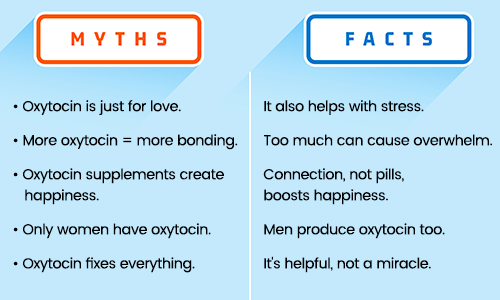
The Myths and Facts
FAQs
- Can oxytocin improve sleep quality?
Yes, oxytocin promotes relaxation, which may help improve sleep.
- Does exercise boost oxytocin?
Yes, physical activity, especially group exercise, can increase oxytocin levels.
- Can pets help raise oxytocin levels?
Yes, interacting with pets, like cuddling or playing, can boost oxytocin.
- Is oxytocin linked to trust?
Yes, oxytocin plays a role in building trust and enhancing social bonds.
- Can oxytocin help with pain relief?
Yes, oxytocin has been shown to have some pain-relieving effects.
Oxytocin is a powerful hormone that plays a vital role in our emotional lives and connections. Understanding it can help us nurture our relationships and overall well-being. Isn’t it wonderful how something so tiny can have such a big impact? Let’s keep those hugs coming.