Medical imaging has transformed healthcare. From detecting fractures to identifying life-threatening conditions, tools like X-rays and CT scans help doctors see what the eyes cannot. But a common concern remains: Do X-rays and CT scans increase the risk of cancer?
The answer is not a simple yes or no. It’s about understanding how much risk exists, when it matters, and why these tests are still widely used.
What Makes X-Rays and CT Scans Different?
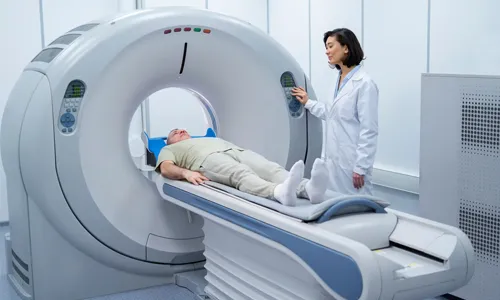
Both X-rays and CT scans use ionizing radiation to create images inside the body.
However, they are not the same.
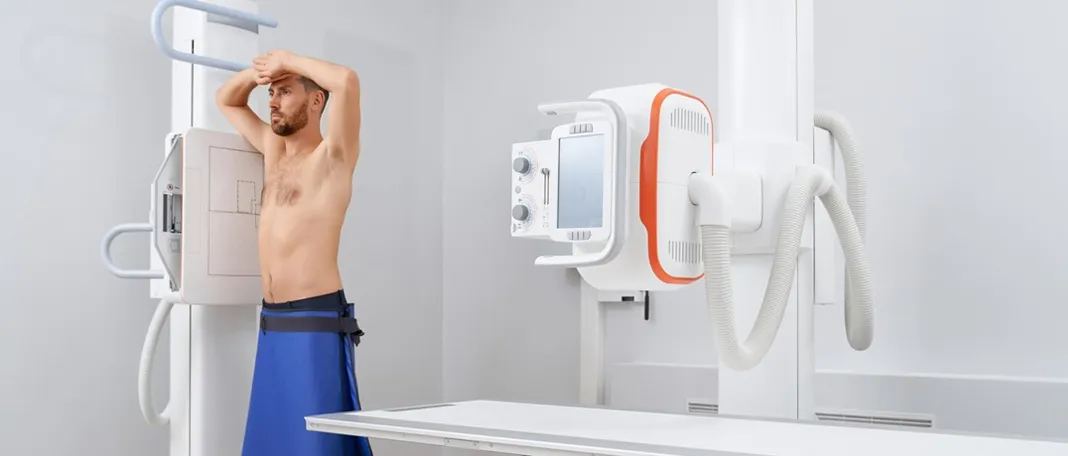
- X-rays use a single burst of radiation
- CT scans use multiple X-ray images to create detailed 3D views
Because of this, CT scans expose the body to more radiation than standard X-rays
This difference is important when discussing risk.
How Much Radiation Are We Talking About?
Radiation exposure is measured in millisieverts (mSv).
- Typical CT scan: 1–10 mSv
- Everyday background radiation per year: ~3 mSv
This means a CT scan may expose you to several times the radiation you naturally receive in a year.
That sounds concerning, but context matters.
Do X-Rays and CT Scans Increase Cancer Risk?

Yes, but the key word is slightly.
Radiation from imaging tests has the potential to damage DNA, which may increase cancer risk over time
For example:
- A CT scan with about 10 mSv exposure may increase cancer risk by around 1 in 2000
To put this into perspective:
- Natural lifetime cancer risk is much higher (about 1 in 5)
So while the risk exists, it is very small for an individual scan.
Why CT Scans Are Still Widely Used
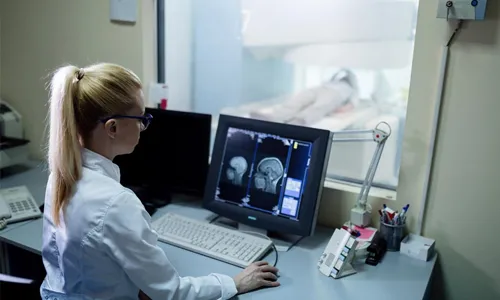
Despite the concerns, CT scans remain essential in modern medicine.
They help diagnose:
- Tumors
- Internal bleeding
- Infections
- Blood clots
In many cases, the benefit of accurate diagnosis far outweighs the small radiation risk
Skipping a necessary scan can delay treatment, which can be far more dangerous.
When Does the Risk Become Important?
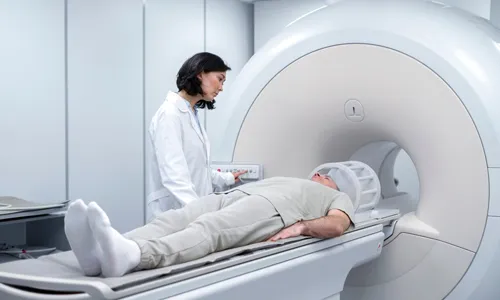
The concern grows when exposure becomes frequent.
Repeated scans over time can:
- Increase cumulative radiation
- Raise long-term cancer risk slightly
Studies suggest that widespread use of CT scans could contribute to a small percentage of cancer cases at the population level
This is why doctors aim to limit unnecessary imaging.
Radiation X-Rays vs CT Scan: Key Difference

| Feature | X-Ray | CT Scan |
| Radiation level | Low | Higher |
| Image detail | Basic | Highly detailed |
| Frequency use | Common | More selective |
| Risk level | Minimal | Slightly higher |
CT scans provide more information, but with increased exposure.
How Many CT Scans in a Year Is Safe?
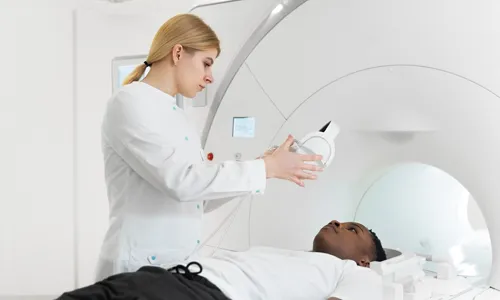
No fixed number applies to everyone.
Safety depends on:
- Your age
- Your medical condition
- The area being scanned
- The necessity of each test
Doctors follow a principle called “as low as reasonably achievable (ALARA)”, meaning radiation is minimized whenever possible.
If scans are medically necessary, they are considered safe.
Can You Remove Radiation From the Body After a CT Scan?
This is a common myth. You cannot “remove” radiation after exposure. The body does not store radiation like toxins. Instead:
- The exposure happens instantly
- The body naturally repairs most minor damage
Instead of focusing on removal, the focus should be on avoiding unnecessary exposure.
Should You Use a Radiation Risk Calculator?
Tools like an X-ray risk calculator or radiation risk calculator can give estimates, but they are not precise for individuals. Risk depends on many personal factors, including age and overall health.
These tools are helpful for raising awareness, not for making decisions.
When Should You Be Concerned?
You may want to discuss imaging with your doctor if:
- You are getting frequent scans
- You are a child or young adult (more sensitive to radiation)
- The scan is not clearly necessary
Always ask: “Is this scan essential, or is there an alternative?”
FAQs
How much radiation in a CT scan vs X-ray?
CT scans use significantly more radiation than standard X-rays, sometimes several times higher.
Are X-rays dangerous?
Routine X-rays carry very low risk and are considered safe when used appropriately.
Can CT scans cause cancer?
They may slightly increase risk, but the individual risk is very small.
Is an MRI safer than a CT scan?
Yes. MRI does not use ionizing radiation.
Should I avoid CT scans completely?
No. If medically necessary, the benefits outweigh the risks.
Are children more sensitive to radiation?
Yes. Children are more sensitive and should only undergo scans when necessary.
Can repeated scans increase risk?
Yes, cumulative exposure can slightly increase long-term risk.
Is one CT scan harmful?
No. A single scan carries a very small risk.
The idea that X-rays and CT scans increase the risk of cancer is not entirely wrong, but it is often misunderstood. The risk exists. But it is small, controlled, and carefully managed in modern healthcare. The real focus should not be fear, but informed use. When used appropriately, these scans save lives far more often than they cause harm.