

Choosing the right Birth Control method isn’t just a medical decision; it’s a deeply personal one that shapes your comfort, confidence, and future plans. With so many options available, from daily pills to long-acting solutions, it’s easy to feel overwhelmed or unsure where to begin. This guide gently walks you through everything you need to know, from the different types of birth control pills and alternative methods to their effectiveness and possible side effects. Think of it as your clear, no-pressure companion that breaks down complex information into simple, practical insights. Whether you’re exploring contraception for the first time or considering a switch, this guide helps you understand what works, what to expect, and how to choose what truly fits your lifestyle. Because the best birth control choice is not the most popular one, it’s the one that feels right for you.
What are Birth Control Pills?
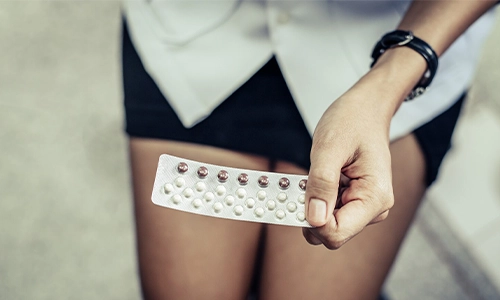
Birth control pills, also known as oral contraceptives or pregnancy pills, are medications taken daily to prevent pregnancy. They contain hormones that regulate your reproductive system. These hormones mainly include estrogen and progestin, which work together to control ovulation and other processes involved in conception.
In simple terms, these pills act like a biological pause button, preventing the body from going through the steps required for pregnancy.
How Do Contraceptives Work?
Birth control pills prevent pregnancy in three key ways:
- Stop ovulation so no egg is released
- Thicken cervical mucus to block sperm movement
- Thin the uterine lining to reduce the chances of implantation
Different pills use one or more of these mechanisms depending on their type.
Types of Birth Control Pills
There are two primary categories of oral contraceptive pills, along with a few variations designed for specific needs.
1. Combination Pills (Estrogen + Progestin)
These are the most commonly used birth control pills.
They contain both estrogen and progestin, making them highly effective when taken correctly.
How the Combination Birth Control Pill Works
Combination pills:
- Prevent ovulation consistently
- Stabilize hormone levels
- Regulate menstrual cycles
They are also known to help reduce acne, manage heavy periods, and ease menstrual cramps.
Subtypes of Combination Pills
- Monophasic pills: Same hormone dose in every pill
- Multiphasic pills: Hormone levels change during the cycle
- Extended-cycle pills: Fewer periods per year
These variations allow users to choose what best suits their comfort and routine.
2. Progestin-Only Pills (Mini Pills)
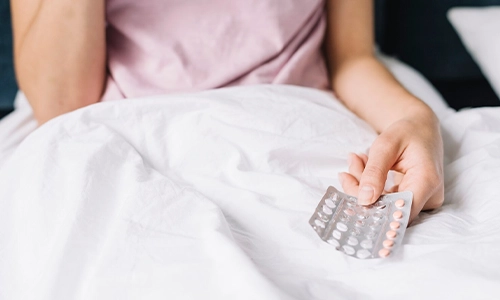
Progestin-only pills are ideal for those who cannot take estrogen.
How the Mini Pill Works
- Thicken cervical mucus
- Thin the uterine lining
- Sometimes suppress ovulation
Unlike combination pills, they must be taken at the same time every day to maintain effectiveness.
They are often recommended for:
- Breastfeeding mothers
- Women with estrogen sensitivity
- Individuals with certain health conditions
3. Low-Dose Birth Control Pills
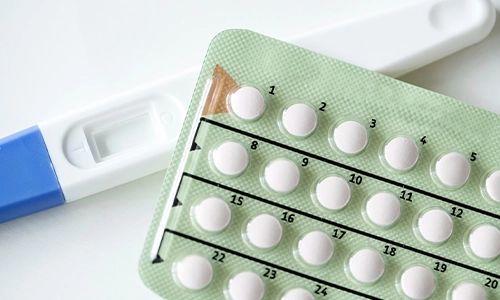
Low-dose pills contain smaller amounts of estrogen compared to standard combination pills.
How They Work
- Prevent ovulation
- Reduce hormone exposure
They may lower the risk of certain side effects, but some users may experience irregular bleeding.
4. Emergency Contraceptive Pills

These are used after unprotected intercourse and are not part of regular birth control routines.
How They Work
- Delay ovulation
- Prevent fertilization
They are most effective when taken as soon as possible, ideally within 24–72 hours.
5. Continuous Birth Control Pills
These pills are designed to reduce or eliminate menstrual periods.
How They Work
- Provide continuous hormone intake
- Prevent the hormone drop that triggers menstruation
They are often used for managing hormonal conditions or reducing menstrual discomfort.
Choosing the Right Birth Control Pill
Choosing among the different types of birth control pills depends on:
- Your health condition
- Hormonal tolerance
- Daily routine
- Reproductive goals
There is no universal “best” option. The right pill is the one that works safely and effectively for you.
Consulting a healthcare provider is always recommended before starting any oral contraceptive.
FAQs About Different Types of Birth Control Pills
1. What are birth control pills?
Birth control pills are hormonal medications taken daily to prevent pregnancy.
2. What are the main types of birth control pills?
The two main types are combination pills and progestin-only pills.
3. How do contraceptive pills work?
They prevent ovulation, block sperm movement, and reduce implantation chances.
4. Are pregnancy pills the same as birth control pills?
Yes, pregnancy pills commonly refer to oral contraceptives.
5. Which birth control pill is most effective?
Combination pills are highly effective when taken correctly.
6. Can I take birth control pills without a doctor’s advice?
It is best to consult a healthcare provider to choose the safest option.
7. What is the difference between mini pills and combination pills?
Mini pills contain only progestin, while combination pills contain both estrogen and progestin.
8. Do all birth control pills stop ovulation?
Most combination pills do, but mini pills may not always suppress ovulation.
9. Are emergency contraceptive pills safe?
They are safe for occasional use but not recommended as a regular method.
10. Can birth control pills regulate periods?
Yes, many pills help regulate cycles and reduce menstrual discomfort.
Effectiveness of the Pill
When it comes to birth control, one of the most common questions is simple but important: How effective is the pill, really? The answer is both reassuring and slightly nuanced. The effectiveness of the pill depends not just on the medication itself, but also on how consistently and correctly it is used.
How Effective Is the Birth Control Pill?
Under perfect conditions, oral contraceptive pills are highly effective.
- Perfect use: Over 99% effective
- Typical use: Around 91% effective
This means that with perfect use, fewer than 1 out of 100 people may become pregnant in a year. With typical use, about 9 out of 100 may experience unintended pregnancy.
The difference between these numbers tells an important story. The pill works exceptionally well, but only when taken consistently.
What Does “Perfect Use” Mean?
Perfect use sounds simple, but in real life, it requires discipline.
It means:
- Taking the pill at the same time every day
- Not missing any doses
- Following instructions exactly as prescribed
For progestin-only pills, timing is even more critical. A delay of even a few hours can reduce effectiveness.
What Is “Typical Use”?
Typical use reflects real-life habits.
- Missing a pill occasionally
- Taking pills at different times
- Starting a new pack late
These small inconsistencies can reduce the effectiveness of the pill, making it less reliable than intended.
Factors That Affect the Effectiveness of the Pill

The pill doesn’t operate in isolation. Several factors can influence how well it works.
1. Missed or Late Pills
Skipping pills or taking them late is the most common reason for reduced effectiveness.
Even one missed pill can increase the risk of pregnancy, especially during certain phases of the cycle.
2. Certain Medications
Some medications can interfere with how the body processes contraceptive hormones.
These include:
- Certain antibiotics
- Anti-seizure medications
- Herbal supplements like St. John’s Wort
This interaction can lower hormone levels and reduce protection.
3. Digestive Issues
Vomiting or severe diarrhea shortly after taking a pill can prevent proper absorption.
In such cases, the pill may not work as expected.
4. Inconsistent Routine
Taking pills at different times each day can reduce hormone stability, particularly with mini pills.
A steady routine helps maintain the pill’s effectiveness.
5. Body and Health Factors
Certain health conditions or metabolic differences may influence how the body responds to hormonal birth control.
This is why medical consultation is always recommended.
How to Improve the Effectiveness of the Pill
If you want your birth control method to work like a well-oiled machine, consistency is key.
Here are simple ways to improve reliability:
- Set a daily alarm or reminder
- Keep your pills in a visible place
- Start new packs on time
- Use backup protection if you miss a dose
Small habits can make a big difference.
Is the Pill the Most Effective Birth Control Method?
While the pill is highly effective, it is not the most foolproof option.
Methods like IUDs and implants have higher effectiveness rates because they eliminate human error.
However, the pill remains one of the most popular choices due to:
- Ease of use
- Accessibility
- Additional health benefits
It offers a balance of control and convenience when used correctly.
Can the Pill Fail?
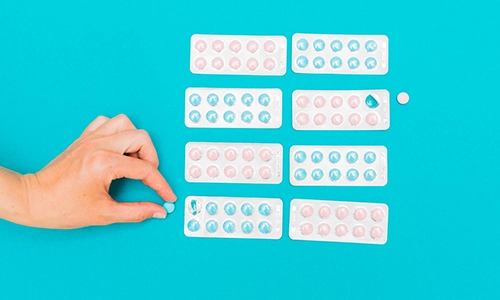
Yes, but failure is usually linked to usage errors rather than the pill itself.
Common reasons include:
- Missing doses
- Starting packs late
- Drug interactions
When used properly, the chances of failure are extremely low.
Why Understanding Effectiveness Matters

Knowing the effectiveness of the pill helps you:
- Use it correctly
- Avoid unnecessary risks
- Combine it with backup methods if needed
It’s not just about taking a pill. It’s about understanding how your actions influence its performance.
Side Effects of Birth Control Pills
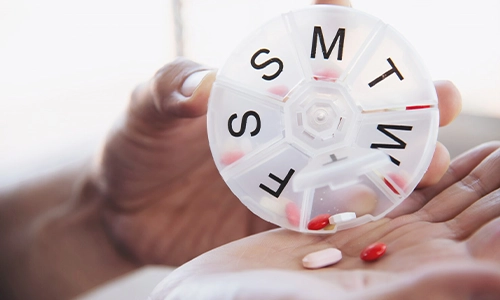
Every form of birth control comes with its own set of benefits and possible drawbacks. While most methods are safe and widely used, understanding the side effects of birth control pills and other contraceptive options helps you make informed and confident decisions.
Not everyone experiences side effects, and for many, they are mild and temporary. Still, knowing what to expect can make a big difference.
Common Side Effects of Birth Control Pills
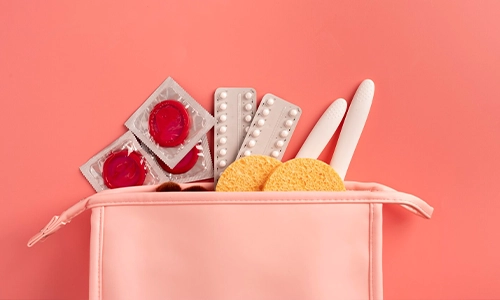
These are usually mild and may improve over time:
- Nausea
- Headaches
- Breast tenderness
- Mood changes
- Spotting between periods
- Slight weight fluctuations
These symptoms often settle as the body adjusts to hormonal changes.
Less Common but Notable Side Effects
Some users may experience:
- Changes in menstrual flow
- Reduced libido
- Skin changes (improvement or worsening of acne)
In rare cases, more serious complications such as blood clots may occur, particularly in individuals with certain risk factors.
Side Effects of Progestin-Only Pills
Mini pills may cause:
- Irregular periods
- Spotting
- Missed periods
- Breast tenderness
Since these pills rely heavily on timing, inconsistent use may also lead to hormonal fluctuations.
Other Birth Control Methods Available
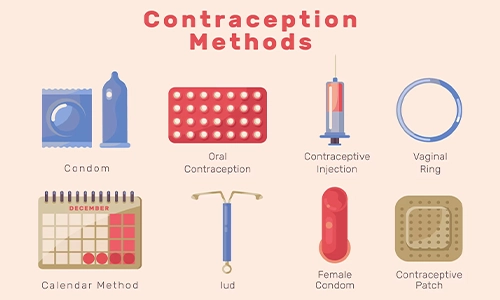
While birth control pills are one of the most popular choices, they are just one piece of a much larger puzzle. Not everyone prefers taking a daily pill, and fortunately, there are several other birth control methods designed to suit different lifestyles, comfort levels, and health needs.
Understanding these alternatives helps you make a more informed and flexible choice when it comes to preventing pregnancy.
1. Barrier Methods

Barrier methods act like a physical shield, preventing sperm from reaching the egg.
Common Types
- Male condoms
- Female condoms
- Diaphragms
- Cervical caps
How They Work
These methods block sperm from entering the uterus. Condoms also offer the added benefit of protecting against sexually transmitted infections (STIs).
Why Choose Barrier Methods?
- Easy to use
- No hormones involved
- Available without prescription
However, they require correct use every time to be effective.
2. Intrauterine Devices (IUDs)
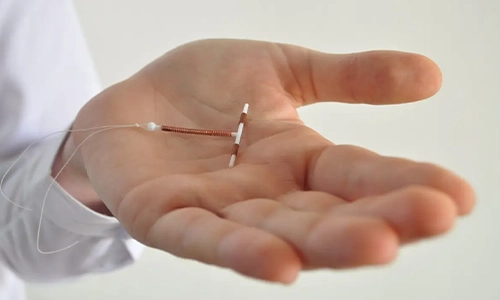
IUDs are small, T-shaped devices placed inside the uterus by a healthcare professional.
Types of IUDs
- Hormonal IUDs
- Copper IUDs
How They Work
- Hormonal IUDs release progestin to thicken cervical mucus and sometimes prevent ovulation
- Copper IUDs create an environment that is toxic to sperm
Why Choose IUDs?
- Long-term protection (3 to 10 years)
- Highly effective
- Low maintenance after insertion
They are often considered one of the most reliable birth control options.
3. Contraceptive Implants

A contraceptive implant is a small, flexible rod inserted under the skin of the upper arm.
How It Works
- Releases progestin slowly over time
- Prevents ovulation
- Thickens cervical mucus
Why Choose Implants?
- Long-lasting (up to 3 years)
- No daily effort required
- Highly effective
This method is ideal for those who want a “set it and forget it” option.
4. Birth Control Injections

Birth control injections are hormone shots given every few months.
How They Work
- Release progestin into the body
- Prevent ovulation
- Thicken cervical mucus
Why Choose Injections?
- Only required once every 2–3 months
- Convenient for those who may forget daily pills
However, missing a scheduled shot can reduce effectiveness.
5. Contraceptive Patch

The birth control patch is a small adhesive patch worn on the skin.
How It Works
- Releases estrogen and progestin into the bloodstream
- Prevents ovulation
Why Choose the Patch?
- Changed weekly instead of daily
- Easy to use
It offers similar benefits to oral contraceptive pills but with less frequent maintenance.
6. Vaginal Ring
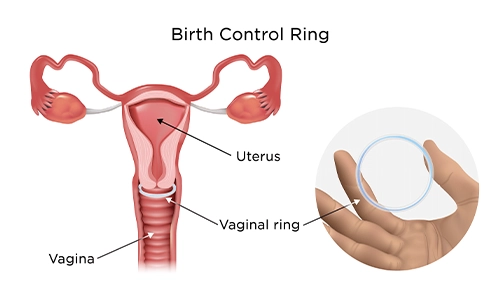
The vaginal ring is a flexible ring inserted into the vagina.
How It Works
- Releases hormones gradually
- Prevents ovulation
Why Choose the Ring?
- Worn for three weeks, then removed for one week
- Low maintenance
It provides a steady hormone dose without daily action.
7. Natural Birth Control Methods

These methods rely on tracking the body’s natural fertility signals.
Common Approaches
- Fertility awareness method
- Calendar tracking
- Basal body temperature monitoring
How They Work
They help identify fertile days so that unprotected intercourse can be avoided during that period.
Why Choose Natural Methods?
- No hormones
- No medical intervention
However, they require consistency, education, and careful tracking to be effective.
8. Permanent Birth Control Methods

For those who are certain about not having children in the future, permanent options are available.
Types
- Tubal ligation (for women)
- Vasectomy (for men)
How They Work
These procedures block or cut reproductive pathways, preventing sperm from meeting the egg.
Why Choose Permanent Methods?
- One-time procedure
- Highly effective
They are considered irreversible in most cases.
Choosing the Right Birth Control Method
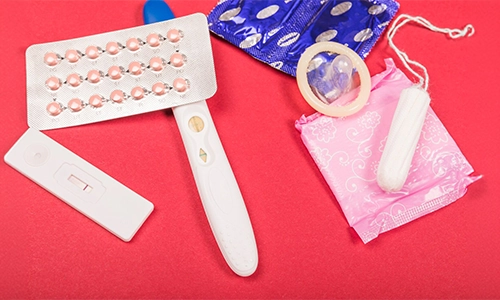
With so many options available, choosing the right birth control method depends on:
- Your lifestyle and routine
- Comfort with hormonal vs non-hormonal options
- Long-term vs short-term needs
- Medical history
There’s no universal solution. Some people prefer the structure of daily pills, while others lean toward long-term methods like IUDs or implants.
The key is finding what fits seamlessly into your life.
Why It’s Important to Know Your Options
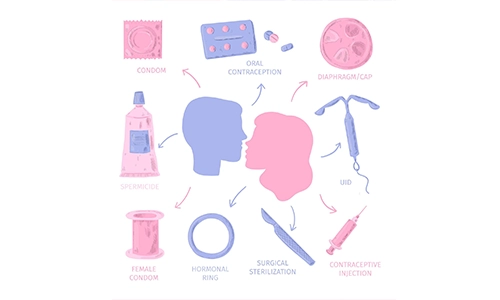
Relying on just one method without understanding alternatives can limit your choices.
Exploring different birth control methods allows you to:
- Switch methods if needed
- Reduce side effects
- Improve effectiveness
- Take control of your reproductive health
Think of it as building a toolkit. The more you know, the better equipped you are to make decisions that suit your body and your future.
Side Effects of Other Birth Control Methods
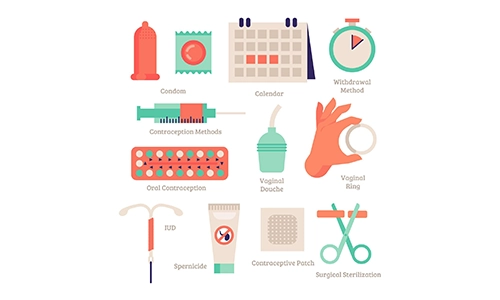
Each birth control method interacts differently with the body. Here’s what to expect across various options.
1. Barrier Methods (Condoms, Diaphragms)
- Allergic reactions (especially latex sensitivity)
- Irritation or discomfort
- Reduced sensation (for some users)
These methods are generally safe and free from hormonal side effects.
2. Intrauterine Devices (IUDs)
Hormonal IUD Side Effects
- Irregular bleeding in the beginning
- Lighter or absent periods over time
- Mild cramping
Copper IUD Side Effects
- Heavier periods
- Increased menstrual cramps
Most side effects improve after the first few months.
3. Contraceptive Implants
- Irregular menstrual cycles
- Headaches
- Weight changes
- Mood swings
Some users may also experience prolonged spotting.
4. Birth Control Injections
- Weight gain
- Delayed return to fertility after stopping
- Irregular bleeding
- Bone density changes with long-term use
This method requires careful follow-up for long-term users.
5. Contraceptive Patch
- Skin irritation at the patch site
- Hormonal side effects similar to pills
- Breast tenderness
Proper placement and rotation of the patch can help reduce irritation.
6. Vaginal Ring
- Vaginal irritation or discharge
- Headaches
- Nausea
Most users adjust well after the initial cycles.
7. Emergency Contraceptive Pills
- Nausea
- Fatigue
- Temporary menstrual changes
These effects are usually short-lived.
8. Natural Birth Control Methods
These methods do not involve hormones, so they typically have no physical side effects.
However, they may:
- Require strict tracking
- Increase the risk of unintended pregnancy if not followed carefully
9. Permanent Birth Control Methods
Tubal Ligation / Vasectomy
- Surgical risks (infection, pain, swelling)
- Recovery discomfort
These are generally safe procedures with low complication rates.
Do All Birth Control Methods Cause Side Effects?
No. Not everyone experiences side effects. Some people use oral contraceptive pills or other methods without any noticeable changes, while others may need time to adjust or switch methods.
The body’s response depends on:
- Hormonal sensitivity
- Overall health
- Lifestyle factors
When Should You Be Concerned?
While most side effects are mild, you should seek medical attention if you experience:
- Severe headaches
- Chest pain
- Sudden shortness of breath
- Severe leg pain or swelling
- Vision problems
These could indicate rare but serious complications.
How to Manage Side Effects
Managing side effects of birth control pills and other methods often involves simple adjustments:
- Give your body time to adapt
- Take pills at the same time daily
- Switch methods if side effects persist
- Consult a healthcare provider
Finding the right method sometimes requires a bit of trial and guidance.
How To Choose the Best Birth Control for You
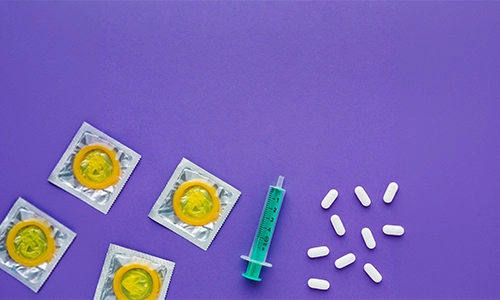
Choosing the right birth control method is a bit like finding the perfect pair of shoes. What fits one person beautifully might feel completely wrong for another. There’s no universal “best” option, only the one that aligns with your body, lifestyle, and future plans.
Instead of chasing trends or relying on hearsay, it’s important to make a choice rooted in clarity.
Start With Your Health Profile
Your medical history plays a major role in deciding which method is safest.
Ask yourself:
- Do you have a history of blood clots or migraines?
- Are you breastfeeding?
- Do you have hormonal sensitivities?
For example, some people may be advised to avoid estrogen-based pills and consider progestin-only options instead.
A healthcare provider can help match your health profile with the safest method.
Consider Your Lifestyle and Routine
Be honest about your daily habits.
- Can you take a pill at the same time every day?
- Do you prefer a “set it and forget it” method?
- Are you okay with regular clinic visits for injections?
If consistency is a challenge, long-term options like IUDs or implants may be more reliable than daily pills.
Think About Your Family Planning Goals

Your future plans matter just as much as your present needs.
- Do you want children soon?
- Are you looking for long-term protection?
- Do you want a reversible option?
Short-term methods like pills or condoms are ideal for flexibility, while long-acting methods suit those seeking longer protection.
Evaluate Comfort and Convenience
Every method comes with a different level of involvement.
- Pills require daily attention
- Patches and rings require weekly or monthly changes
- IUDs and implants require minimal maintenance
Choose what feels manageable, not burdensome.
Understand Possible Side Effects
Your tolerance for side effects matters.
Some people prefer non-hormonal methods to avoid hormonal shifts, while others are comfortable managing mild side effects for higher effectiveness.
If one method doesn’t suit you, switching is always an option.
Factor in Effectiveness
If avoiding pregnancy is a top priority, effectiveness becomes critical.
- Long-acting methods offer the highest reliability
- Pills are effective but require consistency
- Natural methods need careful tracking
Balancing effectiveness with ease of use is key.
Protection Against STIs
Not all birth control methods protect against sexually transmitted infections. Barrier methods like condoms provide dual protection, while hormonal methods do not. This is an important factor, especially for those with multiple partners.
Cost and Accessibility
Consider what fits your budget and availability.
- Are you able to refill prescriptions regularly?
- Do you have access to healthcare providers?
Some methods may have higher upfront costs but lower long-term expenses.
The Golden Rule: Consult a Professional
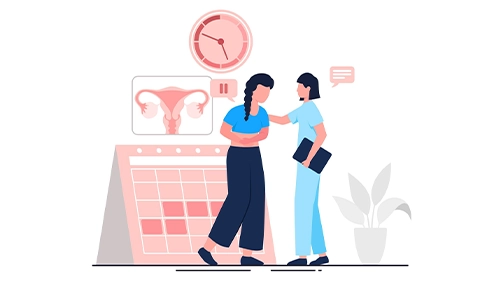
Even after all your research, a healthcare provider adds that final layer of clarity.
They can:
- Recommend the safest option
- Adjust based on side effects
- Help you switch methods if needed
Think of them as your guide through a menu that’s too important to guess from.
FAQs About Birth Control
1. What is the safest birth control method?
There is no single “safest” method for everyone. The best option depends on your health, lifestyle, and personal needs.
2. Are birth control pills 100% effective?
No. With perfect use, they are over 99% effective, but with typical use, effectiveness drops to about 91%.
3. Can I switch birth control methods anytime?
Yes, but it’s best to consult a healthcare provider to ensure a smooth and safe transition.
4. Do all birth control methods cause side effects?
No. Some people experience no side effects at all, while others may need time to adjust.
5. Which birth control method works best for busy lifestyles?
Long-acting methods like IUDs or implants are ideal since they require minimal daily attention.
6. Do birth control pills affect fertility long-term?
No. Fertility usually returns once you stop taking the pills, though it may take some time for cycles to normalize.
7. Can birth control help with periods?
Yes. Many hormonal methods can regulate, lighten, or even stop periods.
8. Is it okay to skip periods using birth control pills?
In many cases, yes. However, this should be done under medical guidance.
9. Do I still need condoms if I’m on the pill?
Yes, if you want protection against sexually transmitted infections.
10. How do I know if my birth control isn’t working for me?
Persistent side effects, discomfort, or difficulty maintaining the routine are signs you may need to switch.
Birth control is not just about prevention; it’s about control, comfort, and confidence. From understanding the types of birth control pills to exploring other methods, evaluating the effectiveness of the pill, and learning about potential side effects, every step brings you closer to making an informed decision. There’s no perfect method, only the one that fits your life like it was made for it.
So take your time, listen to your body, ask questions, and when in doubt, consult the right expert. Because the best choice is not the most popular one, it’s the one that works quietly, reliably, and comfortably in the background of your life.