

Most people assume a toothache means a cavity. But dental pain is often more complex than that. Your teeth sit in a network of nerves, gums, and sinuses. So pain can come from several places, not just decay. Understanding the real cause helps you seek the right treatment instead of simply masking the discomfort. Here are the most common causes of toothache beyond cavities.
1. Gum Disease
Inflamed or infected gums can cause soreness, throbbing, and sensitivity.
As gum disease progresses, it can expose tooth roots and create persistent discomfort, especially while chewing.
- Untreated gum disease can lead to tooth loosening and long-term oral health problems.
2. Tooth Sensitivity

Enamel erosion or exposed dentin can make teeth react sharply to hot, cold, or sweet foods.
This pain is often sudden and short but can become chronic if ignored.
- Sensitivity may indicate enamel wear or gum recession that needs attention.
3. Cracked or Damaged Tooth
A tiny crack may not be visible, but can cause sharp pain when biting or releasing pressure.
Temperature changes may also trigger discomfort.
- Cracks can worsen over time and increase the risk of infection.
4. Impacted Wisdom Teeth
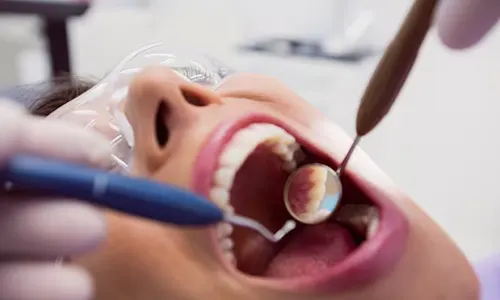
When wisdom teeth do not fully erupt, they can press against nearby teeth or gums, causing pain and swelling.
This discomfort may radiate to the jaw or ear.
- Impacted teeth can lead to infection or crowding.
5. Sinus Infection
Upper tooth pain sometimes comes from inflamed sinuses, especially during colds or allergies.
Pressure builds in the sinus cavities and radiates to nearby teeth.
- Treating the sinus issue often resolves the tooth pain.
6. Teeth Grinding (Bruxism)

Clenching or grinding puts excessive pressure on teeth and jaw muscles, leading to soreness and sensitivity.
Many people grind their teeth during sleep without realizing it.
- Long-term grinding can wear down enamel and strain the jaw joint.
7. Dental Abscess
A bacterial infection near the tooth root or gums can cause severe, throbbing pain along with swelling or fever. This is considered a dental emergency.
- An untreated abscess can spread infection beyond the mouth.
8. Recent Dental Procedures

Temporary sensitivity or discomfort can occur after fillings, cleanings, or other treatments. This usually resolves within a few days.
- Persistent pain should be evaluated to rule out complications.
FAQs
1. Can a toothache go away on its own?
Mild sensitivity may fade, but persistent or severe pain usually indicates an underlying issue that needs dental evaluation.
2. How do I know if my toothache is serious?
Pain with swelling, fever, pus, or difficulty opening the mouth may signal infection and requires immediate care.
3. Can stress cause tooth pain?
Yes. Stress can lead to teeth grinding, which strains teeth and jaw muscles, causing soreness.
4. Is sinus pain often mistaken for toothache?
Yes. Sinus infections commonly cause pressure in upper teeth, especially during colds or allergies.
5. What is the most common cause of toothache?
Tooth decay is the most common cause, but gum disease and sensitivity are also frequent reasons.
6. Can dehydration cause tooth pain?
Indirectly, yes. Dry mouth reduces saliva protection, increasing sensitivity and irritation.
7. Should I take painkillers for a toothache?
They may provide temporary relief, but the underlying cause still needs dental evaluation.
9. How long should a toothache last before seeing a dentist?
If pain lasts more than 24 to 48 hours, it’s best to seek professional advice.
When Should You See a Dentist?
If pain lasts more than a day or two, worsens, or is accompanied by swelling, fever, or difficulty chewing, it’s best to seek professional care. Tooth pain is a signal. Ignoring it can turn a small problem into a complex one.
Why Identifying the Cause Matters
Treating a toothache without knowing the reason is like silencing an alarm without checking the fire. The right diagnosis ensures the right treatment, whether it’s dental care, gum treatment, or managing sinus issues.