

I still remember the nights when I woke up in a damp bed, feeling confused and embarrassed. My mom, ever so patient, never scolded me. Instead, she had her own set of “tried and tested” tricks to help me stay dry at night. Fast-forward to today, and as a mom myself, I find myself wondering—do those old-school techniques still work for today’s generation? If you’re a parent struggling with your little one bed-wetting often, you are not alone. It’s frustrating to deal with endless sheet changes and late-night wake-ups, but trust me when I say that this phase will pass. So, let’s take a walk down memory lane, compare the old methods with modern insights, and figure out what works to stop bed-wetting in kids.
How Common Is Bed-Wetting?
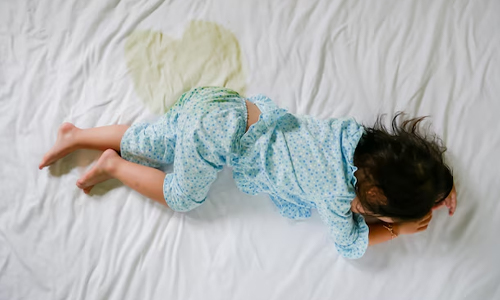
Bed-wetting is completely normal. It’s just another part of childhood development.
- By age 5 - 15, 20% of kids still wet the bed.
- By age 7, that number drops to about 10%.
- By age 12 - Only about 2-3% of kids experience it regularly.
My mom used to say, "Some kids' bladders just need more time to grow up." And science agrees! Bed-wetting, or nocturnal enuresis, happens because some children’s bladders take longer to mature.
But knowing it’s normal doesn’t make the laundry pile any smaller. So, let’s talk about how our moms tackled this—and whether those tricks still hold up today.
What Did My Mom Do? Will It Work Today?

1. Limiting Water Before Bed
Mom’s Method - “No drinking water after dinner!”
Does It Still Work? Partially. Reducing liquids 1-2 hours before bed can help, but completely restricting water isn’t ideal—kids still need to stay hydrated! Instead, encourage them to drink more during the day so they’re not guzzling fluids at bedtime.
2. The Bathroom Trip Before Sleep
Mom’s Method - “Go pee before bed… and then try again!”
Does It Still Work? Yes! Have your child go to the bathroom twice—once before changing into pajamas and once right before bed.
3. Waking Me Up at Night
Mom’s Method - She’d wake me up at midnight for a bathroom trip.
Does It Still Work? Sometimes. If your child is a deep sleeper, a scheduled wake-up might help at first. However, bed-wetting alarms are a better long-term solution, as they train the body to recognize when it’s time to wake up on its own.
4. The “No Shame” Rule
Mom’s Method - She never made me feel bad about it.
Does It Still Work? Absolutely! Encouraging your child, rather than shaming them, makes a huge difference in their confidence and willingness to work through this phase.
Modern Approaches That Might Work Better

While my mom’s methods had their merits, today’s research gives us even more tools to tackle bed-wetting.
1. Try a Bed-Wetting Alarm
This device gently wakes a child up when moisture is detected, helping them recognize the sensation of a full bladder. Studies show these alarms are one of the most effective long-term solutions.
2. Consider Bladder Training
Encourage your child to hold their urine a little longer during the day (not excessively!) to help strengthen bladder control.
3. Manage Constipation
A full bowel can put pressure on the bladder, making accidents more likely. Ensure your child eats fiber-rich foods and drinks plenty of water during the day.
4. Create a No-Stress Routine
- Keep a waterproof mattress protector handy.
- Have extra pajamas and sheets easily accessible.
- Avoid punishments or frustration—stress can actually make bed-wetting worse!
When Should You See a Doctor?
Most kids grow out of bed-wetting naturally, but in some cases, it might indicate an underlying issue. Talk to your pediatrician if:
- Your child is 7+ years old and still wetting the bed frequently.
- They suddenly start bed-wetting after months of dry nights.
- They complain of pain while urinating, excessive thirst, or daytime accidents.
Looking back, I’m grateful my mom handled my bed-wetting with patience and understanding. As a parent now, I realize that bed-wetting isn’t a battle—it’s just another developmental milestone.
So, whether you use old-school tricks or modern methods, the key is to stay supportive and consistent. Eventually, your little one will wake up dry, and this will all be a distant memory—just like it is for me.