
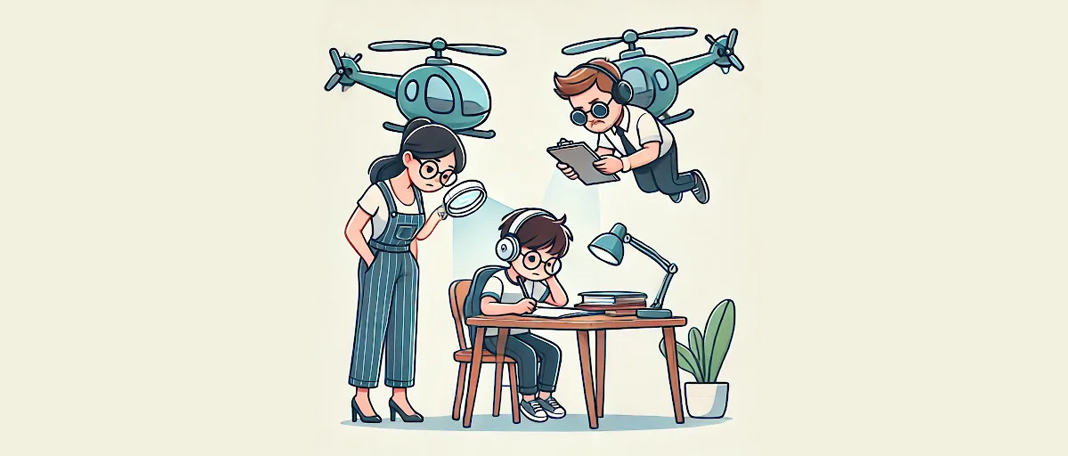
We all want the best for our kids. We want them to succeed, be happy, and avoid unnecessary struggles. But where do we draw the line between guiding them and controlling them? At what point does helping turn into hovering?
It becomes hard for the kids when parents circle over their children’s lives like airborne security guards, ensuring no missteps, no discomfort, and no failures. It sounds well-intentioned, but what if shielding our kids from every difficulty sets them up for more challenges in the long run?
If you’ve ever emailed a teacher about your child’s grade, argued with a coach over playtime, or scheduled a dentist appointment for your 22-year-old, this blog is for you. Let’s explore what happens when parenting becomes over-parenting—and how to find the right balance.
What Is Helicopter Parenting?
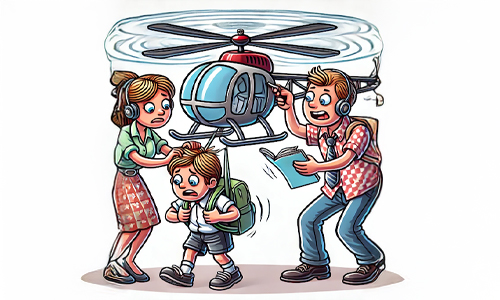
Helicopter parenting is when parents are over-involved in their child’s life, making decisions for them, fixing problems before they occur, and shielding them from any struggle or failure. While it comes from a place of love, it can backfire by preventing children from developing independence, resilience, and problem-solving skills.
Signs of Helicopter Parenting

- Micromanaging your child’s homework, friendships, and extracurriculars.
- Constantly intervening in conflicts rather than letting them work it out.
- Fixing their mistakes instead of letting them face natural consequences.
- Feeling the need to protect them from disappointment or failure at all costs.
- Controlling their decisions because "you know what’s best."
If this sounds familiar, you’re not alone! Let’s see how this affects kids in real life.
How Helicopter Parenting Affects Kids

When I spoke to child counselors, I learned some surprising details about how parenting affects children.
A high-achieving high school senior goes off to college, only to realize they can’t do simple tasks like scheduling a doctor’s appointment, doing laundry, or managing deadlines without calling their parents. With constant parental guidance, they freeze in uncertainty.
In another case, a few employers report that some parents attend job interviews with their adult children or even call HR departments to negotiate salaries. These young adults struggle with decision-making and professionalism in the workplace. If you’ve never faced real-life challenges alone, how will they function in the adult world?
The Effects of Helicopter Parenting on Parents

It’s not just kids who suffer—parents do too. Constantly micromanaging a child’s life can lead to
- High stress and exhaustion
- Emotional burnout
- Strained parent-child relationships
Why Kids Need to Struggle to Succeed
While it’s hard to watch our kids fail, challenges are essential for growth.
- Kids learn to bounce back and problem-solve.
- Disappointment teaches patience as they understand that not everything goes their way.
- Independence boosts confidence as they learn to handle challenges on their own.
Think of it this way: If we never let kids fall, how will they learn to stand independently?
How to Support Without Suffocating

So, how do you let go while still being a caring parent? Here’s the balance:
- Encourage independence and allow them to make age-appropriate choices.
- Allow failures (within reason).
- Support, don’t control, offer guidance, but let them take the lead.
- Trust and believe in their ability to grow, even when they struggle.
Are You a Helicopter Parent? Take This Checklist!
Here’s a quick self-check to see if you have Helicopter Parent tendencies
🔲 Do you find yourself solving problems for your child before they try?
🔲 Have you ever done your child’s homework so they’d get a better grade?
🔲 Do you call teachers, coaches, or even employers on your child’s behalf?
🔲 Do you stress over their failures more than they do?
🔲 Are you constantly reminding, fixing, or planning everything for them?
🔲 Do you feel anxious when they handle something alone?
If you checked 3 or more, you may have helicopter tendencies. But don’t worry—awareness is the first step!
Final Thoughts
Helicopter Parenting comes from love, but sometimes, too much protection can hold kids back. Instead of hovering, try stepping back and trusting your child’s ability to navigate life.
Because at the end of the day, our goal isn’t to control them—it’s to prepare them for the real world. And that means letting them fly, even if they stumble along the way.
What’s Your Parenting Style?
Are you a helicopter parent, a relaxed parent, or somewhere in between?