
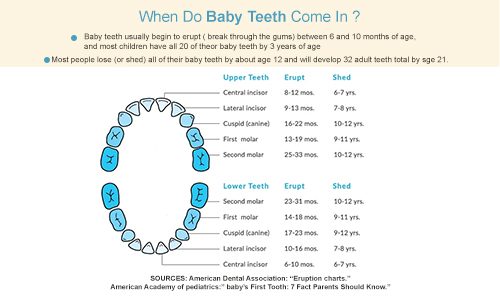
Baby teething is one of the milestones parents look forward to when their infant's first teeth come out through the gums. Babies begin teething around 4 to 8 months of age and have 20 teeth at the age of 3. Teething is a tough period for both the parents and the babies because they become cranky and irritated. With little knowledge and some try-at-home baby teething remedies, you can manage the frustrations.
Symptoms of Baby Teething
The baby teething remedies and symptoms vary from one baby to another. Here are a few major signs to note:
- Swollen and tender gums
- Fussy and crying baby
- A slight increase in temperature( less than 100 F)
- Severe cough
- Change in eating and sleeping habits
- Gnawing and wanting hard things to chew
- Drooling and rashes on the face
- Continuously bringing hands to their mouth
Apart from these symptoms, they might also feel difficulty in breathing, muscle weakness, constipation, trouble with urine, and agitation. If you observe any of these signs, contact your pediatrician immediately. Teething can be very painful for them, but it does harm them. But if your baby has diarrhea, vomiting, rashes all over their body, and congestion you have to consult a doctor because these are not normal signs of teething.
Simple Baby Teething Remedies
Teething is painful but the good news is that it can be managed even without medications. But it is always better to try natural remedies when it comes to babies and here are a few of them you may try:
1. Cold Items
Anything cold will help to numb the pain for the teething babies. You can place a wet-washed cloth in the freezer for up to 15 to 30 minutes first and then let your baby gnaw on it.
2. Chewing Toys
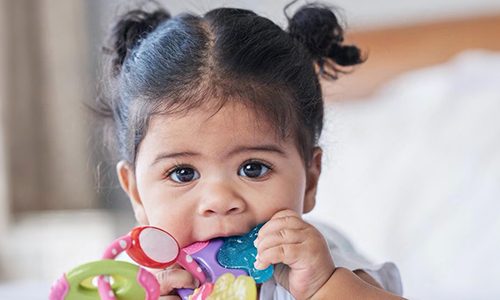
You can give your baby a toy that is made up of silicon or latex instead of plastic so that it may not contain harmful chemicals.
3. Gentle Massage
Gently massage your babies' gums for instant relief. You can try massaging or rubbing in a circular motion for better results.
4. Your Finger
This works best!! Wash your hands first, and then offer your fingers to your babies to knuckle and chew on it.
5. Breast Milk
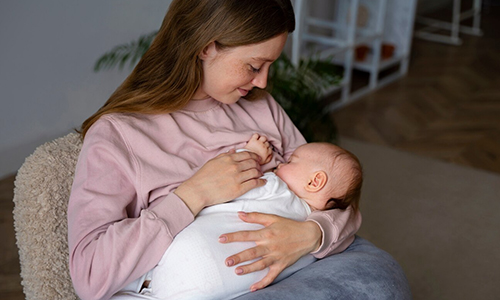
For some breastfeeding babies, nursing helps soothe the teething process and they will nurse longer. For some babies, sucking may feel a little bit painful for their gums.
6. Frozen Food
You can freeze some fruits like apples, and carrots and put them into a safe mesh feeder and give them, this will help your baby with pain relief and give them a tasty treat.
Teething Remedies to Avoid
Of course, you all want to make your baby feel better, right!! But some products harm the baby's health. Better avoid the remedies that harm your baby's health. Here are some of the remedies that you should not try!!
1. Biscuits and Foods
The foods that you are giving to your baby should totally depend on your baby’s age and experience with solids, and fluids. Babies under 9 months old may not be able and know how to eat certain foods because they can present a choking hazard. And a lot of biscuits and cookies won’t offer you the nutrition that your baby needs.
Bananas and applesauce are the best food for your baby when they are teething. These two are the best choices to give your baby in terms of nutrition and they can soothe your baby’s irritated gums too.
2. Medications
As per the American Dental Council Administration, pain relievers that contain benzocaine are strictly prohibited for babies under one year of age. Know when to visit the dentist before trying natural remedies at home.
How to Care for Baby’s New Teeth
Good oral hygiene is very important, even before your baby's teeth start to grow.
- Until the teeth come out, clean your baby’s gums with a wet washcloth or even with a piece of gauze at least once a day.
- Once the teeth come out, clean your baby’s mouth safely the same way at least twice a day. Do this process after feeding your baby.
- After one year, you can start using a soft-bristled baby toothbrush with water and a small amount of baby toothpaste that doesn’t have fluoride.
- You have to consult a pediatric dentist when your baby’s first tooth appears.
Frequently Asked Questions (FAQs)
At what age do babies typically begin the teething process?
Teething often begins between 4 and 7 months old, but it can start earlier or later. The two lower front teeth are usually the first to appear.
What are the most common signs and symptoms that a baby is teething?
Key signs include excessive drooling, chewing on toys or fingers, irritability, sore or tender gums, and slight changes in sleep or feeding patterns.
What is a simple and effective home remedy to soothe teething pain?
Gently rubbing your baby's gums with a clean finger or providing a chilled (not frozen) teething toy or washcloth for them to chew on can provide relief.
Are there any specific remedies or items parents should avoid using for teething babies?
It is recommended to avoid using amber teething necklaces, homeopathic tablets, or numbing gels containing benzocaine, as they pose safety risks or have unproven benefits.
Does teething cause a fever, and when should I contact a pediatrician?
Teething may cause a slight rise in temperature, but it does not cause a high fever (over 100.4°F). Consult a doctor if your baby has a high fever or severe symptoms.
How long does the pain from baby teething last?
Discomfort usually lasts a few days before the tooth breaks through the gum. The entire teething phase continues until around age two or three.
Can a baby suffer from diarrhea due to teething?
Teething itself does not cause diarrhea, but the increased saliva swallowed might loosen stools slightly. If diarrhea is severe, consult a doctor.
What is the best way to clean a baby's new teeth?
Use a soft-bristled infant toothbrush and a tiny smear of fluoride toothpaste (the size of a grain of rice) twice daily to clean emerging teeth.
I hope this blog helps you and your baby manage teething pain. Follow the above baby teething remedies regularly for better results.