
Eye twitching, also known as myokymia, is a common and usually benign condition characterized by involuntary spasms or slight movements in the eyelid muscles. It is a sudden involuntary muscle spasm in the eye or slight movement of your upper and lower eyelid. It occurs in uncertain situations that last between a few minutes, seconds, or hours.
How to stop your eye from twitching? I got you covered! Getting enough sleep, reducing stress, using a warm compress, and avoiding caffeine are the best ways to stop it Still, more reasons are there!
Here's an in-depth look at the causes, symptoms, and treatment options for eye twitching.
What is Eye Twitching?
Eye twitching, also known as myokymia, is a common, involuntary spasm or contraction of the muscles in the eyelid. It usually occurs in the upper eyelid but can also affect the lower eyelid. It is typically harmless and temporary, often resolving on its own without any specific treatment.
Let me explain now the causes of eye twitching.
What Causes Eye Twitching
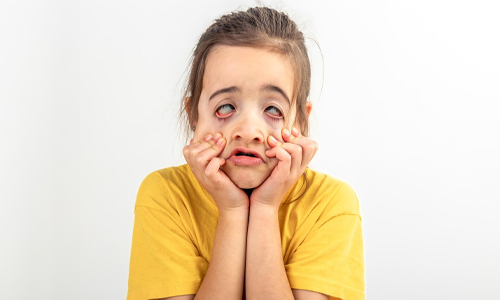
1. Stress
Stress is one of the most common triggers. When the body is under stress, it can cause the muscles around the eyes to spasm.
2. Fatigue
Lack of sleep or excessive tiredness can lead to muscle spasms in the eyelid.
3. Eye Strain
Prolonged use of digital devices like computers, smartphones, and tablets can cause eye strain, which in turn can lead to twitching.
Related: How to Reduce Eye Strain from Screens?
4. Caffeine and Alcohol
Excessive consumption of caffeine or alcohol can overstimulate the nervous system, leading to eye twitching.
5. Dry Eyes
Individuals who suffer from dry eyes, often due to aging, medications, or prolonged screen time, might experience this kind of symptom.
Related: Ten Medicines That Cause Dry Eyes and Its Effects
6. Nutritional Imbalances
Deficiencies in certain nutrients, particularly magnesium, can cause muscle spasms, including those in the eyelid.
7. Allergies
Allergies can cause irritation and swelling in the eyes, which might lead to twitching.
8. Eye Irritation
Foreign bodies, such as dust or an eyelash, can irritate the eye and cause twitching.
Symptoms of Eye Twitching
a. Involuntary Eyelid Spasms
The primary symptom is the sudden, involuntary movement of the eyelid muscles. This can occur in the upper or lower eyelid and usually affects only one eye.
b. Intermittent Twitching
The twitching can come and go, lasting for a few seconds to a few minutes at a time.
c. Asymptomatic in Severe Cases
In rare instances, severe twitching might be accompanied by other symptoms like redness, swelling, or light sensitivity.
Eyelid Twitching: Treatment Options

1. Reduce Stress
Practicing stress management techniques such as yoga, meditation, and deep breathing exercises can help alleviate eye twitching caused by stress.
2. Ensure Adequate Sleep
Getting enough rest and maintaining a regular sleep schedule can help reduce fatigue-related twitching.
3. Limit Caffeine and Alcohol Intake
Cutting back on caffeine and alcohol can help reduce twitching caused by overstimulation of the nervous system.
4. Manage Eye Strain
Taking regular breaks from screens, using proper lighting, and practicing the 20-20-20 rule (every 20 minutes, look at something 20 feet away for 20 seconds) can help reduce eye strain.
5. Stay Hydrated and Use Lubricating Drops
For those with dry eyes, staying hydrated and using over-the-counter lubricating eye drops can provide relief and healthy eyesight.
6. Nutritional Supplements
Ensuring a balanced diet and taking supplements if needed, particularly magnesium, can help prevent nutritional deficiencies that cause muscle spasms.
7. Address Allergies
Using antihistamines and avoiding allergens can help reduce eye irritation and twitching.
8. Botox Injections
In cases where it is persistent and bothersome, Botox injections can be used to paralyze the muscles and stop the spasms.
FAQs About Eye Twitching
1. What does it mean if your left eye is twitching for a female?
Medically, left eye twitching in females could be due to fatigue, stress, or eye strain. While some cultures associate it with superstitions, there’s no scientific backing to these beliefs.
2. Why is my right eye twitching?
Right eye twitching is often linked to tiredness, too much caffeine, or dry eyes. It’s usually harmless and resolves on its own in a few days.
3. Why is my under-eye twitching?
Under-eye twitching is a form of eyelid myokymia. It can be triggered by stress, poor sleep, or nutritional deficiencies like magnesium or vitamin B12.
4. What does left eye twitching mean for males?
Just like in females, left eye twitching in males is typically caused by eye strain, stress, or fatigue. Persistent twitching should be evaluated by a doctor.
5. When should I worry about eye twitching?
You should consult a doctor if the twitching lasts more than a few weeks, affects other parts of your face, or is accompanied by swelling, redness, or drooping eyelids.
6. What to do if your eye has been twitching for days?
Try reducing screen time, improving sleep, cutting back on caffeine, and using a warm compress. If twitching persists, seek medical advice.
7. What if eye twitching continues for weeks?
Chronic twitching might point to underlying neurological conditions or long-term fatigue. A medical evaluation is recommended if it persists beyond two weeks.
8. How to stop eye twitching immediately?
Close your eyes and apply a warm compress. Reduce eye strain by taking screen breaks and drinking plenty of water. Managing stress and sleep helps too.
9. Is eyelid twitching serious?
Usually not. Most eyelid twitches are harmless. However, if it's accompanied by facial spasms or vision problems, it might indicate something more serious.
10. What is the superstition behind left eye twitching?
In many cultures, left eye twitching is seen as a sign of bad luck or upcoming disappointment. These are superstitions with no scientific basis.
11. Can eye twitching be dangerous?
Rarely. If accompanied by other symptoms like facial muscle spasms or vision loss, it could indicate a neurological disorder that needs medical attention.
12. What is the reason for continuous eye twitching?
Chronic twitching may be due to stress, caffeine, lack of sleep, dry eyes, or vitamin deficiencies. Occasionally, it could be a sign of a nerve issue.
13. Is eye twitching a bad sign?
Not usually. It’s mostly harmless and temporary. But if it's frequent and persistent, it could be a signal from your body that you need rest or medical evaluation.
14. What does it mean when your eye continuously twitches?
Continuous twitching may suggest chronic fatigue, anxiety, or an irritated eye. Long-term twitching warrants a doctor’s visit to rule out neurological issues.
When to See a Doctor?
While eye twitching is usually benign and self-limiting, it's important to seek medical advice if:
- The twitching persists for more than a few weeks.
- The spasms close the eyelid completely.
- The twitching is accompanied by other symptoms such as drooping eyelids, redness, swelling, or discharge.
- There is a history of neurological disorders or other underlying health conditions.
Hence, understanding the causes and treatment options for eye twitching can help alleviate the symptoms and address the underlying issues effectively.