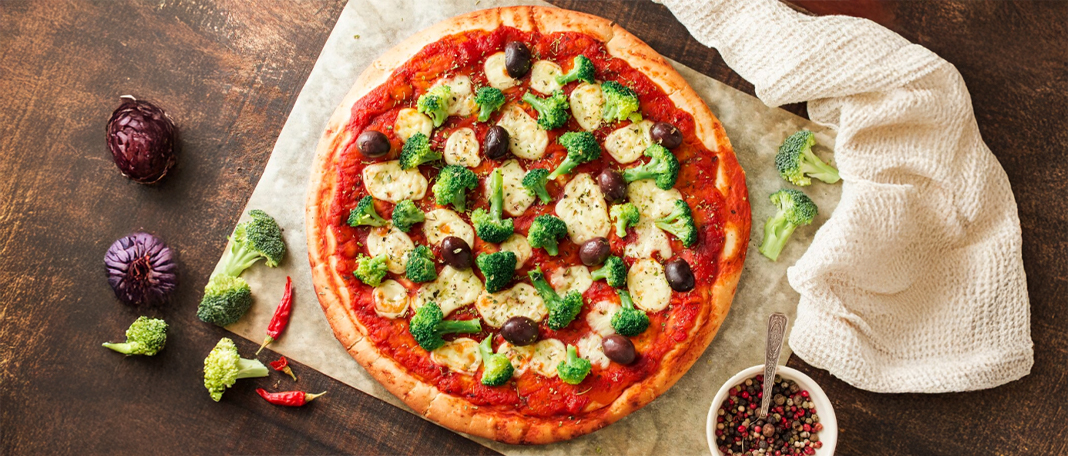
Pizza is a beloved comfort food, but many people wonder, is pizza healthy food? Traditional pies, especially thick-crust, meat-and-cheese heavy ones can be high in refined carbs, saturated fat and salt. The good news is that pizza’s core ingredients can be healthful: a tomato-based sauce, vegetables, and even cheese can provide fiber, vitamins, protein and calcium. By making smart swaps like using whole-grain dough, piling on veggies, and choosing lean or plant-based toppings, you can enjoy a healthy pizza that still tastes delicious.
Below are six expert-backed ways to boost your pizza’s nutrition while keeping it fun and flavorful. Most nutrition experts agree that pizza can fit in a balanced diet if you make it wisely. For example, swapping a high-carb white crust for whole-wheat or veggie crust adds fiber and nutrients. Likewise, using a thin crust instead of deep-dish can halve the calories and carb content of a slice. Throughout this guide, we’ll reference dietitians and research to show you how to craft a homemade healthy pizza – even without an oven – and answer common questions like “is pizza good for you” and “can pizza fit into a weight-loss diet.”
1. Choose a Nutritious Pizza Crust or Base
The pizza crust (or base) is a major source of calories and carbs. Traditional white-flour crusts are low in fiber and nutrients. A simple way to eat a healthier pizza is to use whole-grain or vegetable-based crusts. Dietitians recommend a thin whole-wheat crust, which has more fiber, B vitamins and minerals than white flour. You can even make your own dough with whole-wheat or spelt flour, or try a cauliflower crust (especially homemade versions without extra starch) for more fiber. These whole-grain and veggie crusts slow digestion and help manage blood sugar.
Thin crusts also reduce calories: a thin-crust pizza typically has less than half the calories of a thick or deep-dish pie. If you’re buying pre-made crusts, read labels for added sugars or hydrogenated oils and pick whole-grain or gluten-free options if needed. Some even suggest using unconventional bases like a whole-wheat pita, tortilla, or naan for single servings.
2. Load Up on Colorful Veggies (and Even Fruit)
One of the easiest ways to make pizza healthier is to pile on the vegetables. Unlike meat and cheese, veggies add vitamins, minerals and fiber with few calories. Nutrition experts recommend using plenty of in-season vegetables as toppings. Bell peppers, onions, mushrooms, zucchini, tomatoes and spinach are all fiber-rich and bursting with nutrients like vitamin C, vitamin K and antioxidants.
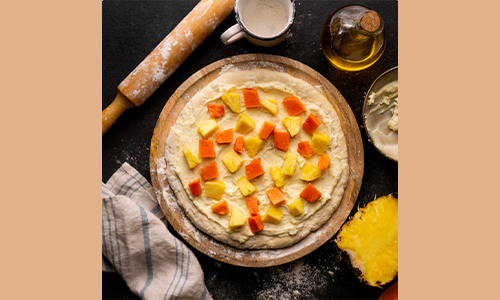
Leafy greens (spinach, arugula or kale) can even go on the pizza before or after baking. (Bonus: vegetables add color and extra flavor.) Some chefs roast veggies before topping the crust – this adds caramelized flavor and concentrates nutrients. For example, roast sliced eggplant or squash and spread it into the sauce before baking; it tastes great and sneaks in extra veggies. You can also experiment with sweet toppings for fun – think pineapple or sliced pears, which provide vitamin C and fiber (yes, pineapple is a good vitamin C source).
Don’t shy away from herbs and spices, either: sprinkle fresh basil, oregano, garlic or crushed red pepper on top for extra antioxidants and flavor.
3. Add Lean Proteins (Skip the Processed Meats)
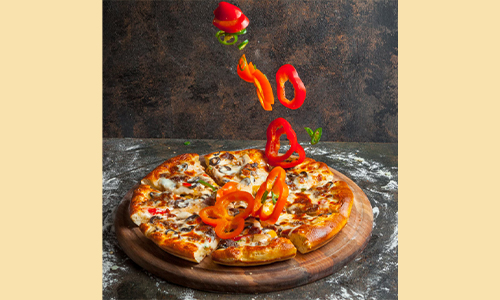
Many pizzas load up on high-fat, high-sodium meats (pepperoni, sausage, etc.), which can turn pizza into a guilty pleasure. For a healthier pizza, choose lean protein sources. Instead, use sliced grilled chicken, turkey breast, shrimp, or even plant proteins like tofu or beans as toppings.
These proteins add muscle-building nutrients without as much saturated fat. For example, substituting turkey sausage or chicken breast for pepperoni cuts calories and salt. Mushrooms or lentils can also mimic meaty texture for a vegetarian option.
As you build your pizza, remember that portion size of meat matters. Topping a pizza with a handful of lean chicken and lots of veggies will make it filling, whereas a layer of fatty sausage can overload it with calories.
4. Be Smart with Cheese (Use Less or Try Alternatives)
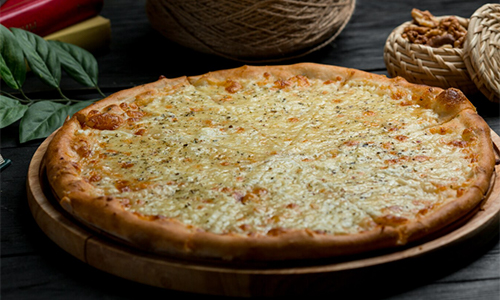
Cheese is delicious, but it’s also high in saturated fat, salt and calories. A light sprinkle of mozzarella or a few slices of fresh part-skim mozzarella can provide calcium and protein without going overboard. If you love cheese, try full-flavor, aged varieties (like Parmesan, feta or sharp cheddar) on top – they add big taste so you need less quantity.
For example, just a few shavings of Parmesan can make a pizza taste very cheesy, which lets you cut back on milder mozzarella. You might also consider lower-fat or plant-based cheeses: part-skim cheeses and goat or sheep’s milk cheeses tend to have less saturated fat, and many people top pizzas with feta or ricotta for tangy flavor. If you’re adventurous, try going cheese-less or dairy-free. One option is nutritional yeast – it has a cheesy, nutty flavor and is loaded with B vitamins. Or use a little drizzle of ricotta or cottage cheese mixed with herbs on the crust instead of layered cheese. The key is balance: even modest cheese provides nutrients like calcium and vitamin D, but too much can push your pizza into “unhealthy” territory.
5. Make Your Own Sauce (or Choose a Light, Flavorful Sauce)
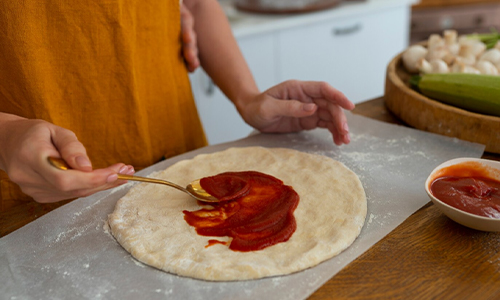
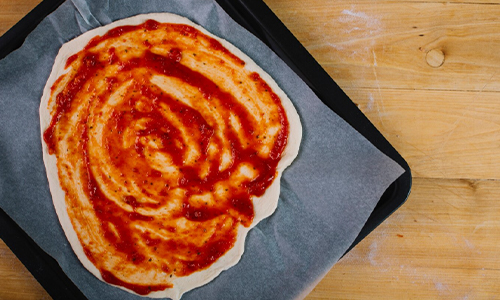
Store-bought pizza sauce can hide extra salt and sugar. To control this, make your own sauce or pick a healthy alternative. A basic tomato sauce (crushed tomatoes with herbs, or no-salt-added canned tomatoes) is packed with vitamin C, potassium and lycopene. When making sauce at home, skip added sugar and season it with garlic, basil, oregano and black pepper for flavor without salt. Avoid heavy cream sauces (Alfredo) or sweet barbecue sauces, which are high in unhealthy fats or added sugars.
A light brushing of olive oil with garlic (often called a white pizza or garlic oil sauce) is another heart-healthy option. You can also try creative, nutrient-rich sauces. Pesto (basil, garlic, olive oil and nuts) adds healthy fats and flavor. Or make a sofrito by sautéing onions and garlic, then adding fresh tomatoes and herbs. The idea is to maximize flavor with real ingredients (tomatoes, herbs, olive oil) instead of hidden sugars or salt. By choosing or making a fresh, veggie-based sauce, you up the vitamins in each slice without extra junk.
6. Bake It at Home, Control Portions (and Get Creative with Cooking)
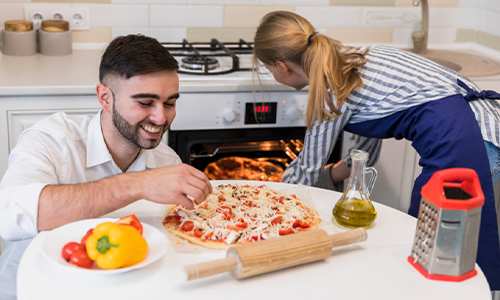
The final way to make pizza healthier is to make and eat it mindfully. Baking pizza at home lets you control ingredients and portions. When you do order out or make it, pair each slice with a side salad or steamed vegetables – this adds fiber and volume so you feel full with less pizza. Aim for a thin crust (as mentioned earlier) and skip indulgent extras like stuffed crusts or deep-dish styles. You can also enjoy a slice with a crisp green salad, which turns pizza into a balanced meal.
Portion size matters: remember that a whole pizza can be thousands of calories. Stick to one or two slices of a small pizza along with veggies. If you don’t have a pizza oven, don’t fret – you can bake a healthy pizza on a stovetop or grill. For example, use a cast-iron skillet or sheet pan in the oven (or on the stove with a lid) for a crisp crust.
If there’s no oven at all, try cooking the dough on a griddle or grill first, then adding toppings and finishing it covered. These tricks help you enjoy homemade pizza any way you like.
In short, pizza can be healthy when you make smart choices. Pairing a veggie-laden slice with a salad makes pizza “a part of a nutritious and balanced diet”.
Frequently Asked Questions
Is pizza healthy?
It can be, if made with whole-grain crust, veggies, and light cheese. Avoid processed meats and excess toppings to keep it nutritious.
Is pizza good for weight loss?
Yes, in moderation. Stick to thin crusts, lean proteins, and lots of veggies, and watch your portion sizes.
How can I make a healthy pizza at home without an oven?
Use a skillet, air fryer, or grill. Just cook the crust first, then add toppings and heat until the cheese melts.
What are healthy cheese alternatives for pizza?
Try part-skim mozzarella, ricotta, goat cheese, or plant-based options. Aged cheeses like Parmesan work great in small amounts.
Is pizza bad for you?
Not always. Store-bought pizzas can be unhealthy, but homemade versions with fresh, wholesome ingredients are a better choice.
What is a healthy pizza crust?
Whole grain, cauliflower, and thin crusts are popular healthier options. They’re lower in refined carbs and higher in fiber.
Can I eat pizza on a weight-loss diet?
Yes, especially when you control portion sizes and use nutrient-dense ingredients. A veggie-loaded thin-crust pizza can be surprisingly low in calories.
What are some healthy pizza toppings for weight loss?
Vegetables, grilled chicken, mushrooms, onions, and light cheeses like feta or part-skim mozzarella are great options.