
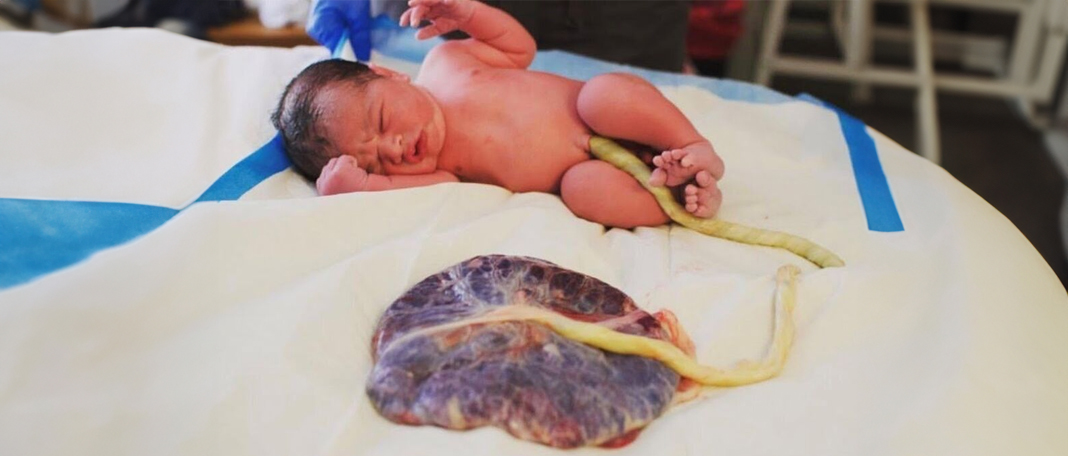
If you're here, you're probably curious about lotus birth and wondering what it's all about. Maybe you're an expectant parent exploring different birth options, or perhaps you're just intrigued by this unique practice. Either way, you're in the right place. It is a choice that blends tradition, spirituality, and personal preference, but it also raises important questions about its safety and practicality. In this guide, we’ll walk you through everything you need to know to better understand this practice and help you make an informed decision.
What Is a Lotus Birth?

Lotus childbirth, or umbilical non-severance, involves leaving the umbilical cord uncut after birth so that the baby remains attached to the placenta until it naturally detaches. This process typically takes anywhere from 3 to 10 days. During this period, the placenta is preserved using salts, herbs, or essential oils to prevent odor and decomposition.
This practice is often chosen for its symbolic significance, with many families viewing it as a peaceful and natural transition for the baby. It’s important to note that this is not widely practiced in modern medical settings but is gaining popularity among families seeking alternative birthing methods.
How Does It Work?
1. Post-Birth Care of the Placenta
After the baby is born, the placenta is delivered and carefully cleaned. It’s then prepared with natural preservatives like salt and dried herbs to reduce bacterial growth.
2. Maintaining the Connection
The placenta is stored in a breathable container, such as a cloth bag or wrapped in gauze, and kept close to the baby. The umbilical cord naturally dries and shrivels over the next few days.
3. Natural Detachment
The cord will eventually fall off on its own, much like it would in a traditional birth but without the initial cutting.
Why Do Some Families Choose?
a) A Gentle Transition
It is believed to offer a calmer, more peaceful transition for the baby from the womb to the outside world.
b) Symbolism and Spirituality
Many families see the placenta as a sacred organ and believe keeping it attached honors its role in nurturing the baby during pregnancy.
c) Belief in Residual Benefits
Advocates suggest that the placenta may still provide small amounts of nutrients or stem cells to the baby during the first few hours post-birth.
Benefits of Lotus Birth
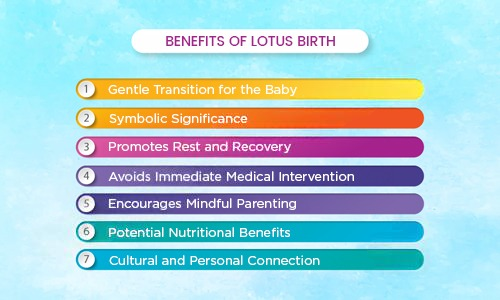
It has gained attention for its symbolic, emotional, and practical appeal. While not universally practiced, many families choose this method for its perceived benefits, which extend beyond the physical act of birthing. Let’s explore some of the potential advantages in more detail.
1. Gentle Transition for the Baby
It allows the baby to remain connected to the placenta for a natural period, mirroring the calm, uninterrupted state they experienced in the womb. This extended connection is thought to provide a smoother, more peaceful adjustment to life outside the womb.
2. Symbolic Significance
Many families view the placenta as a sacred organ that plays a vital role in nurturing their baby during pregnancy. Keeping the placenta attached honors this connection and adds a layer of spiritual meaning to the birth experience.
3. Promotes Rest and Recovery
The logistics of keeping the baby and placenta attached naturally encourage parents to slow down and rest during the postpartum period. This period of calm allows new parents to bond with their baby and recover from the birthing process.
4. Avoids Immediate Medical Intervention
With lotus birth, there is no immediate cutting of the cord, which some families feel reduces stress for both the baby and the parents. This hands-off approach can make the birthing experience feel more natural and less clinical.
5. Encourages Mindful Parenting
The process of caring for both the baby and the placenta requires attention and intention. This mindfulness can help parents develop a deeper sense of responsibility and connection to their new role.
6. Potential Nutritional Benefits
While not scientifically confirmed, some proponents of lotus birth believe the placenta continues to transfer nutrients and stem cells to the baby for a short time after birth, supporting their initial development.
7. Cultural and Personal Connection
For families with cultural or spiritual traditions surrounding the placenta, it can be a meaningful way to honor those practices and pass down values to future generations.
Risks and Concerns of Lotus Birth
Risk of Infection
Once the placenta is outside the body, it begins to decompose, creating an environment where bacteria can thrive. This poses a risk to the baby.
Practical Challenges
Moving or handling the baby becomes more complicated while the placenta remains attached, which can be inconvenient for daily activities.
Lack of Medical Evidence
While many families report positive experiences, the medical benefits of lotus birth remain largely anecdotal, and there is limited scientific research to support its claims.
How to Care for the Placenta During a Lotus Birth?
Caring for the placenta during a lotus birth is essential to ensure hygiene and prevent any risk of infection. Since the placenta remains attached to the baby until it naturally separates, proper care and handling are vital throughout this period, which typically lasts a few days. Here’s a step-by-step guide to help you manage placenta care effectively
1. Thoroughly Clean the Placenta
- After the baby is born, the placenta should be gently rinsed with clean, lukewarm water to remove any residual blood or clots.
- Pat it dry with a sterile towel. Avoid scrubbing or vigorous cleaning to prevent any damage to the tissue.
2. Use Natural Preservatives
- Sprinkle the placenta with natural preservatives like salt to help draw out moisture and prevent bacterial growth.
- Many parents also use herbs like lavender, rosemary, or thyme for their antibacterial properties and pleasant scent.
3. Wrap the Placenta Carefully
- Place the placenta in a breathable fabric or pouch, such as a muslin or cotton cloth, to allow air circulation.
- Avoid sealing the placenta in plastic, as this can trap moisture and create an environment conducive to bacteria.
4. Change Wrappings Regularly
- Replace the wrapping and reapply salt and herbs at least once or twice a day to keep the placenta dry and fresh.
- Ensure that the cloth is clean and sterile each time to minimize the risk of contamination.
5. Keep the Placenta Cool
- Store the placenta in a cool, shaded area to slow down decomposition. Some parents use a small cooler with ice packs for extended freshness.
- Avoid direct sunlight or overly warm environments, as these can accelerate decay and increase the risk of odor and infection.
6. Handle with Care
- Ensure the placenta and its wrappings are handled with clean, washed hands to maintain hygiene.
- Be cautious while moving the placenta to avoid tugging on the umbilical cord, which could cause discomfort to the baby.
7. Monitor for Signs of Decay
- Check the placenta daily for any signs of discoloration, foul odor, or unusual texture. These could indicate decomposition or infection.
- If any concerns arise, consult a healthcare professional immediately.
8. Maintain Umbilical Cord Hygiene
- The umbilical cord should remain clean and dry. It may begin to dry out and change color as the natural detachment process progresses.
- Avoid pulling or forcing the cord to separate; let it fall off naturally.
How Common Is Lotus Birth?
It remains a relatively uncommon practice, particularly in medical settings. It is more prevalent among families seeking holistic, natural birth experiences or those influenced by cultural, spiritual, or personal beliefs. While the practice has gained some attention through social media and advocacy by natural birthing communities, most healthcare providers worldwide still follow the conventional practice of cord clamping and cutting shortly after birth.
In some regions, it is more accepted as part of traditional or cultural practices, while in others, it is viewed as an alternative or experimental approach. Its rarity is often due to limited awareness, medical concerns, and the additional care required to manage the placenta safely.
What Do Experts Say About Lotus Birth?
The medical community has mixed opinions about it. While some experts acknowledge the symbolic and spiritual value families may derive from it, others emphasize potential risks that are discussed below,
Infection Risks
The placenta is an organ that quickly begins to decompose after birth. Without blood flow, it becomes susceptible to bacterial growth.
Lack of Proven Benefits
Scientific evidence supporting physical benefits for the baby is limited. Most health benefits attributed to delayed cord clamping (such as improved iron levels) occur within the first few minutes after birth.
Practical Challenges
Healthcare providers may find it difficult to monitor the baby effectively if the placenta remains attached.
However, advocates argue that lotus birth promotes bonding, offers a gentler transition for the baby, and respects the placenta’s role in sustaining life. Experts recommend consulting with a knowledgeable healthcare provider to weigh the risks and benefits.
Alternatives to Lotus Birth
If you’re drawn to the principles of lotus birth but are unsure about fully committing, there are alternatives that honor similar values while reducing potential risks,
Delayed Cord Clamping
This involves waiting a few minutes after birth before clamping and cutting the umbilical cord. It allows more blood, nutrients, and oxygen to transfer from the placenta to the baby.
Cord Burning
Instead of cutting the cord, some families opt for a ceremonial burning of the cord using a candle. This method is seen as a symbolic and gentler alternative.
Placenta Encapsulation
For those who value the placenta's significance, encapsulating it into pills for postpartum consumption is another option, though it is not without controversy.
Cord Blood Banking
Collecting and storing cord blood for potential future medical use offers a scientific alternative with practical applications.
Traditional Placenta Burial
Some families choose to bury the placenta as a symbolic act, connecting it to cultural or spiritual traditions.
How to Decide if Lotus Birth Is Right for You?
Deciding whether to opt for a lotus birth requires thoughtful consideration of your values, beliefs, and circumstances.
Educate Yourself
Research the practice thoroughly, including potential benefits, risks, and the care involved.
Consult Your Healthcare Provider
Speak openly with your midwife, doctor, or birthing professional to understand their perspective and any medical implications.
Consider Your Environment
Assess whether you have a clean, safe space and resources to manage the placenta hygienically.
Weigh the Symbolic vs. Practical Aspects
Reflect on why lotus birth appeals to you. Is it the spiritual significance, a desire for a natural approach, or a preference for a gentler transition for your baby?
Prepare for Care
If you decide to proceed, ensure you are equipped with the necessary knowledge and supplies to care for the placenta effectively.
Explore Alternatives
If you feel unsure, consider alternatives like delayed cord clamping or a ceremonial practice that resonates with you.
FAQs About Lotus Birth
What is a lotus birth?
A lotus birth is when the umbilical cord isn’t cut right away; instead, the baby stays attached to the placenta until it naturally separates (usually 3–10 days).
Are there benefits to lotus birth?
Proponents say it allows a gradual transition, maintains “vital energy,” and may reduce trauma, but scientific evidence supporting health benefits is lacking.
What are the risks of a lotus birth?
Risks include infection, blood clots, and necrosis of the placental tissu,e which could harm the newborn.
How long does a lotus birth take?
Separation typically occurs within 3 to 10 days after birth, but timing can vary depending on conditions like cord dryness and environment.
Is the lotus birth medically recommended?
No major medical bodies endorse lotus birth due to safety concerns and lack of clear clinical evidence.
Do parents need special equipment for a lotus birth?
Yes — clean salt, cloth wraps, herbal powders, and careful hygiene are often used to manage the attached placenta.
Can the lotus birth interfere with newborn care?
Possibly — handling, bathing, and monitoring may be more difficult while the placenta remains attached.
Should a lotus birth be in a hospital?
It’s risky in a hospital setting; many hospitals may refuse due to the potential for infection and safety protocols.
Choosing a birthing practice is deeply personal, and what feels right for one family may not suit another. Trust your instincts, seek advice, and prioritize both the baby’s and mother’s safety above all.
It is a practice that blends tradition, personal beliefs, and modern curiosity. While it offers a unique approach to childbirth, it’s essential to prioritize safety and stay informed. Whether you choose a lotus birth or explore alternatives, what matters most is that you feel empowered and supported in your decision. After all, every birthing journey is as unique as the baby it brings into the world.