
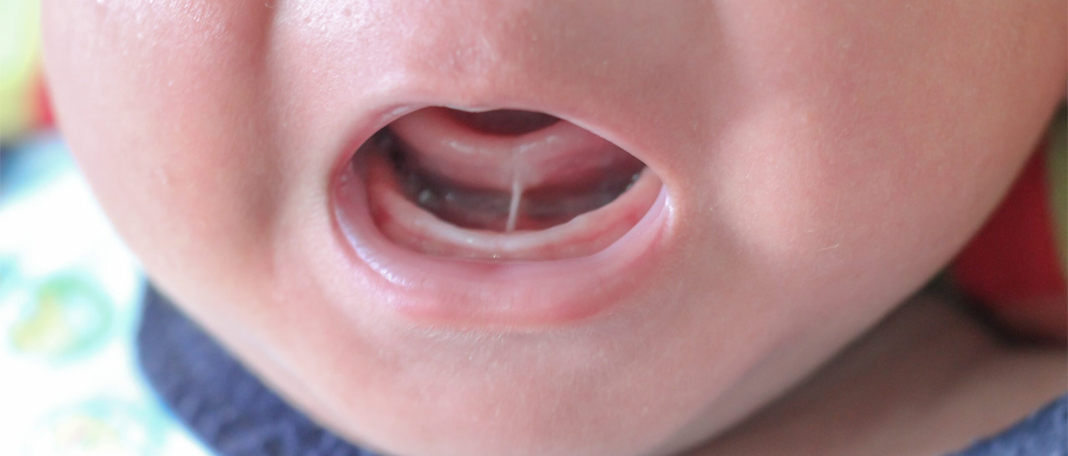
Becoming a parent introduces a world of joy and concerns, and noticing something like a lip tie in your baby can naturally lead to questions. What causes it? Is it serious? And most importantly, how can it be treated? Let’s gently explore this sensitive topic to provide you with the clarity and guidance you need.
What Is a Lip Tie?

This occurs when the frenulum—a thin band of tissue connecting the upper lip tied to the gums—is unusually tight or thick. This can limit the movement of the upper lip, making it difficult for babies to latch effectively during breastfeeding. Left untreated, lip ties may lead to other oral health issues as the baby grows.
What Causes Lip Ties in Babies?
While the exact cause of lip ties remains uncertain, they are considered a natural variation that occurs during prenatal development. Factors that may contribute include:
- Genetics - Lip ties often run in families. If you or a close relative had a lip tie, your baby might have inherited a similar condition.
- Prenatal Development - Variations in how the frenulum forms during pregnancy may result in tight or thickened tissue.
- Associated Conditions - Lip ties often appear alongside other conditions, such as tongue ties, suggesting a shared developmental cause.
Lip Tie Symptoms in Babies

Recognizing these symptoms in babies can help parents address the condition before it leads to further challenges.
- Feeding Difficulties - A lip tie baby may struggle to latch properly during breastfeeding, leading to prolonged feeding times or milk spillage.
- Poor Weight Gain - Inefficient feeding due to a restricted latch can cause slower-than-expected weight gain in a lip tie infant.
- Milk Leakage - Due to difficulty creating a proper seal, milk may dribble out of the baby’s mouth during feedings.
- Pain for the Mother - Mothers may experience sore or cracked nipples due to improper latching.
- Visible Frenulum - A thick or tight frenulum may be noticeable when lifting the baby’s upper lip.
If you notice these signs, consulting with a healthcare professional can help determine if your baby has a lip tie.
Lip Tie Baby Treatment Options
Baby treatment varies depending on the severity of the condition.
a) Observation
If the lip tie is mild and doesn’t cause significant feeding or developmental issues, a healthcare provider may recommend monitoring the situation without immediate intervention.
b) Lactation Support
For breastfeeding challenges, working with a lactation consultant can help optimize feeding positions and techniques, minimizing discomfort for both the baby and the mother.
c) Therapeutic Exercises
Gentle stretches or massages, guided by a pediatric dentist or therapist, can help improve the flexibility of the frenulum and encourage natural movement.
d) Frenectomy
In more severe cases, a minor surgical procedure called a frenectomy is performed to release the tight frenulum. This quick and safe procedure often provides immediate relief and improves feeding for the lip-tie infant.
Discussing the best approach with a trusted healthcare provider ensures that the chosen treatment aligns with your baby’s specific needs.
How to Manage a Lip Tie Baby?
Caring for a lip-tie baby involves patience and a proactive approach.
Consult Professionals

Reach out to a pediatrician, lactation consultant, or pediatric dentist to confirm the diagnosis and explore treatment options.
Try Different Feeding Positions

Adjusting breastfeeding positions can improve latching and reduce discomfort for both you and your baby.
Use Feeding Aids

Tools like nipple shields may help an infant create a better seal during feeding.
Monitor Progress

Keep an eye on weight gain, feeding efficiency, and developmental milestones to ensure the it isn’t causing long-term issues.
Provide Aftercare if Treatment is Done

If your baby undergoes a frenectomy, follow the care instructions closely to promote healing and prevent the tissue from reattaching.
By taking these steps, you can ensure your baby receives the support needed to thrive and grow. Always consult with medical professionals for personalized advice and treatment recommendations.
Are Lip Ties Painful for Infants?
These are not typically painful for infants. However, they can cause discomfort indirectly due to the challenges they create, particularly during feeding. A baby with it may struggle to latch properly, leading to frustration and fussiness during breastfeeding or bottle-feeding. This difficulty can sometimes make feeding sessions exhausting for the baby, which might seem like they're in pain.
Additionally, if an infant experiences excessive tension in the mouth or jaw muscles while trying to feed, this may lead to some discomfort. For mothers, improper latching caused by a lip tie baby can result in sore or cracked nipples, making the feeding process stressful for both.
If left untreated, severe upper lip tie cases may contribute to oral health issues like gum irritation or cavities as the child grows, which could cause discomfort. To address these concerns, it’s important to consult with a healthcare provider for proper evaluation and potential baby treatment options.
Differences Between Lip Tie and Tongue Tie
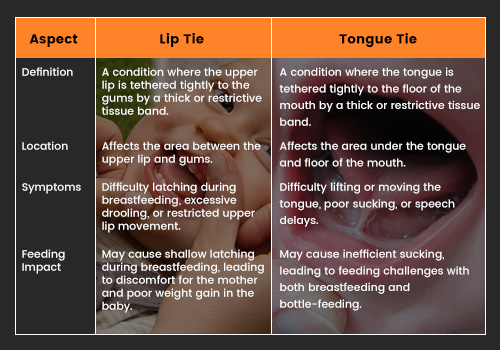
The Role of Genetics in Lip Ties
Lip ties, including upper lip ties, often have a genetic component, meaning they may run in families. If you’re noticing that your baby is experiencing feeding challenges, it’s worth considering whether other family members have dealt with similar issues.
1. Genetic Predisposition
- Many infants inherit this condition through genetic traits passed down from their parents. Studies suggest that connective tissue abnormalities, like a restrictive frenulum, can be influenced by genetic makeup.
- Families with a history of tongue ties or other oral abnormalities may be more likely to have children with it.
2. Development in the Womb
- The frenulum, the small band of tissue that connects the lip to the gums, forms during fetal development. A disruption in this process due to genetic factors can lead to a lip tie.
- These genetic factors may also play a role in how thick or tight the frenulum is, which directly impacts its severity.
3. Signs of a Genetic Link
- If multiple siblings or relatives have had the symptoms in babies, it increases the likelihood of a hereditary connection.
- Conditions such as Ehlers-Danlos Syndrome, which affect connective tissue, might also make lip ties more likely.
FAQs on Lip Ties in Babies
What is a lip tie in babies?
A lip tie happens when the thin tissue (labial frenulum) connecting the upper lip to the gums is too tight, restricting lip movement.
What causes lip ties in babies?
Lip ties are mostly genetic and occur during early fetal development. They’re not caused by anything a parent did during pregnancy.
How can a lip tie affect feeding?
A tight lip tie can make latching difficult, leading to poor feeding, gas, and slow weight gain in infants.
How is a lip tie diagnosed?
A pediatrician, lactation consultant, or pediatric dentist can confirm it through a physical oral examination.
What are the treatment options for lip ties?
Mild cases often resolve naturally. Severe cases may require a simple laser or surgical release (frenectomy).
Can lip ties affect speech later in life?
If left untreated, severe lip ties may slightly impact pronunciation or oral development, but this is uncommon.
Is the lip tie procedure painful for babies?
Modern laser treatments are quick and cause minimal discomfort. Babies typically recover within a day or two.
Can lip ties return after surgery?
Recurrence is rare but possible if the frenulum heals too tightly again. Proper aftercare can help prevent it.
Are lip ties related to tongue ties?
Yes, both involve restrictive frenulum tissues. Some babies have both conditions simultaneously, affecting feeding and oral movement.
When should parents seek medical advice?
If your baby struggles with feeding, weight gain, or latching pain, consult a pediatrician or lactation expert promptly.
Why Genetic Insights Matter
Understanding the genetic role can help parents and healthcare providers:
- Identify the condition early, especially if a family history exists.
- Implement proactive solutions, such as early diagnosis and lip tie baby treatment, to improve feeding and overall well-being.
What You Can Do
- Share your family health history with your pediatrician to ensure early detection and treatment.
- Discuss any concerns about hereditary conditions with a genetic counselor if they are recurrent in your family.
While genetics isn’t the sole factor, it’s an important piece of the puzzle in understanding and managing it effectively.