
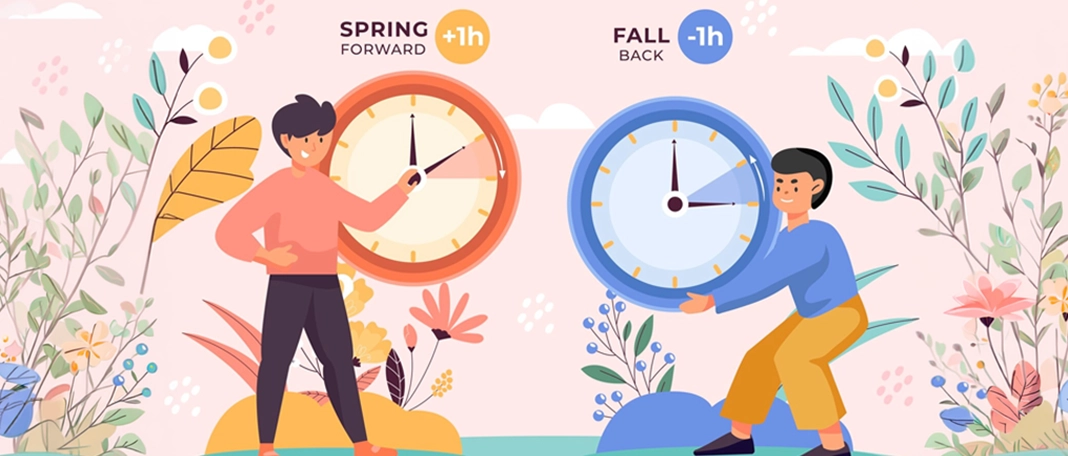
Every year, millions of people adjust their clocks twice. In most countries that observe Daylight Saving Time (DST), the clocks move forward by one hour in spring and back by one hour in autumn. While many people associate this time change with losing an hour of sleep or adjusting daily routines, researchers have spent decades studying how it affects human health.
The conversation often focuses on the short-term drawbacks of changing the clock. However, there are also several health benefits of daylight saving time, particularly after people adapt to the new schedule. Longer daylight hours encourage physical activity, improve mental well-being, increase outdoor exposure, and may even support better long-term health habits.
In this guide, we'll explore both the science and practical benefits behind daylight saving time, explain who may benefit the most, and offer simple ways to make the transition easier.
What Is Daylight Saving Time?

Daylight Saving Time is the practice of moving clocks one hour forward during spring to make better use of natural evening daylight. Later in the year, clocks are turned back by one hour to return to standard time.
The exact dates vary depending on the country.
For example:
- Starts: Spring (typically March in the United States)
- Ends: Autumn (typically November in the United States)
The main purpose is to shift daylight from the early morning into the evening, allowing people to enjoy more sunlight after work or school.
Why Does Daylight Saving Time Exist?
The original idea behind DST was to maximize daylight hours and reduce the need for artificial lighting. While modern energy savings are debated, the additional evening sunlight has created several lifestyle advantages that extend beyond electricity consumption.
Today, researchers examine DST from multiple perspectives, including:
- Physical activity
- Mental health
- Sleep adaptation
- Public safety
- Cardiovascular health
- Community engagement
Although the transition itself can temporarily disrupt sleep, many of the long-term effects after adaptation can be positive.
Health Benefits of Daylight Saving Time

1. Encourages More Physical Activity
One of the biggest health benefits is that people tend to become more physically active.
Longer daylight in the evening gives people extra time to:
- Walk after work
- Go for a run
- Ride bicycles
- Play outdoor sports
- Visit parks
- Exercise with family
Studies consistently show that people are more likely to engage in outdoor activities when sunlight remains available later in the day.
Even an additional 30 to 60 minutes of movement daily can reduce the risk of obesity, diabetes, and heart disease.
2. Improves Mental Well-Being
Sunlight plays an essential role in emotional health.
Natural daylight stimulates the production of serotonin, a neurotransmitter linked to happiness, calmness, and emotional stability.
More evening daylight may help:
- Improve mood
- Reduce feelings of isolation
- Encourage social interaction
- Increase outdoor recreation
- Reduce stress
Many people also report feeling more energetic during the months when daylight extends into the evening.
3. Supports Healthy Vitamin D Levels
Although sunlight exposure should always be balanced with skin protection, spending more time outdoors can help the body naturally produce Vitamin D.
Vitamin D contributes to:
- Strong bones
- Healthy muscles
- Immune system function
- Mood regulation
Longer evenings make it easier for working adults to spend time outside without sacrificing work hours.
4. Promotes Better Heart Health Through Exercise
Regular physical activity is one of the strongest protectors against cardiovascular disease.
Because DST encourages more walking and recreational exercise, it indirectly supports:
- Lower blood pressure
- Better cholesterol levels
- Improved circulation
- Healthier body weight
- Reduced heart disease risk
It's important to note that the first few days after the spring clock change have been associated with a temporary increase in cardiovascular events in some studies, likely due to sleep disruption. However, maintaining healthy sleep habits and gradually adjusting your schedule can help minimize this short-term effect.
5. Encourages Outdoor Family Time
Modern lifestyles often involve long hours indoors.
With more daylight available after work or school, families are more likely to:
- Visit playgrounds
- Walk together
- Play sports
- Have outdoor dinners
- Spend less time on screens
These activities benefit both physical and mental health while strengthening relationships.
6. May Improve Sleep After Adjustment
The spring transition initially causes people to lose one hour of sleep.
However, after several days, many individuals naturally adjust their circadian rhythm.
When paired with good sleep hygiene, the extra daylight can help reinforce a healthy daily routine by encouraging earlier outdoor activity and more consistent exposure to natural light during waking hours.
7. Supports Weight Management
Longer daylight often leads to healthier habits.
People who spend more time outside may:
- Walk more
- Exercise regularly
- Eat fewer late-night snacks
- Reduce sedentary behavior
These lifestyle improvements can contribute to maintaining a healthy weight over time.
8. Reduces Sedentary Lifestyle Habits
Extended evening daylight encourages people to step away from televisions, computers, and mobile devices.
Replacing screen time with outdoor activities may improve:
- Fitness
- Eye health
- Mood
- Sleep quality
Even a short evening walk can make a meaningful difference.
Are There Any Downsides?
While discussing the health benefits of daylight saving time, it's important to acknowledge the temporary challenges.
During the first week after clocks move forward, some people experience:
- Sleep deprivation
- Fatigue
- Difficulty concentrating
- Reduced productivity
- Mood changes
These effects are usually short-lived as the body adapts.
Who May Be More Sensitive to the Time Change?

Certain groups may need more time to adjust, including:
- Young children
- Older adults
- Shift workers
- People with insomnia
- Individuals with sleep disorders
For these groups, gradually adjusting bedtime before the time change can help ease the transition.
Tips to Adjust to Daylight Saving Time

Preparing ahead of the clock change can reduce its impact on your body.
Here are some practical tips:
Shift Your Schedule Gradually
Go to bed and wake up 15 to 20 minutes earlier for several days before DST begins.
Get Morning Sunlight
Exposure to natural light soon after waking helps reset your internal body clock.
Avoid Heavy Meals Before Bed
Eating large meals late at night can interfere with sleep quality.
Limit Evening Screen Time
Blue light from electronic devices can delay melatonin production and make it harder to fall asleep.
Stay Active
Moderate exercise during the day supports better sleep and overall well-being.
Maintain a Consistent Sleep Routine
Try to keep the same bedtime and wake-up time, even on weekends.
Frequently Asked Questions
Is daylight saving time good for your health?
While the transition can temporarily disrupt sleep, the health benefits include increased physical activity, greater sunlight exposure, improved mood, and healthier lifestyle habits for many people.
Why do people feel tired after daylight saving time?
The spring clock change causes most people to lose one hour of sleep, temporarily disrupting the body's internal clock.
Does daylight saving time improve mental health?
For many individuals, longer evening daylight encourages outdoor activities, social interaction, and sunlight exposure, all of which may support better mental well-being.
Can daylight saving time affect heart health?
Some research suggests a slight short-term increase in cardiovascular events immediately after the spring transition because of sleep loss. Over time, however, increased physical activity associated with longer daylight hours may contribute to better heart health.
Does daylight saving time help children?
Children may initially struggle with the schedule adjustment, but outdoor play after school can support physical activity and overall well-being once they adapt.
Is daylight saving time observed worldwide?
No. Many countries do not observe daylight saving time, while others have adopted or discontinued it over the years.
How long does it take to adjust?
Most healthy adults adapt within a few days to about one week, though some people may need longer.
The debate surrounding daylight saving time continues, but one thing is clear: the extra evening daylight can encourage healthier habits when people adapt successfully. From increasing physical activity and supporting mental well-being to promoting outdoor family time and healthier routines, the benefits extend beyond simply changing the clock.
The key is preparing for the transition, prioritizing quality sleep, and taking advantage of the additional daylight to stay active. While the first few days may feel challenging, embracing healthy routines can help you enjoy the brighter evenings and their potential benefits throughout the season.