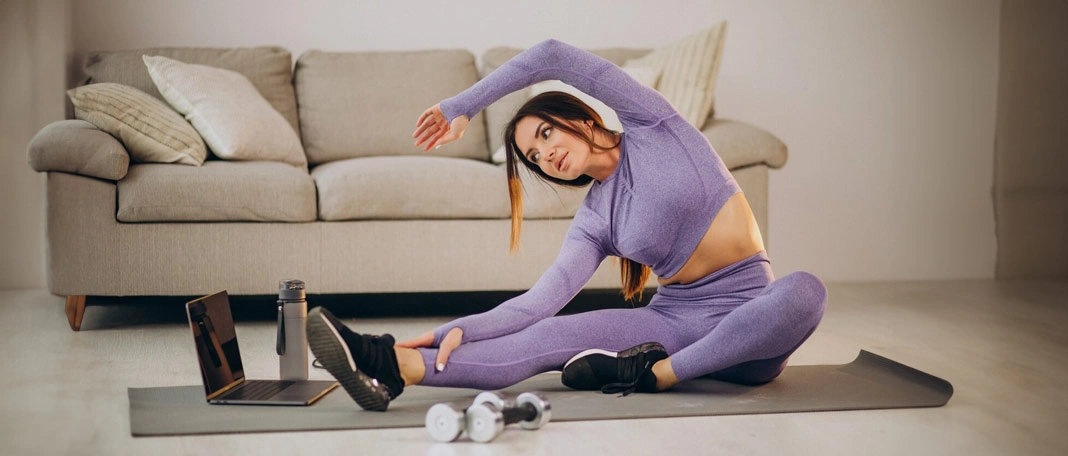
Incorporating daily exercise into your routine doesn't have to be overwhelming or time-consuming. The key to success lies in targeting different body parts with effective, manageable exercises that you can perform consistently. This comprehensive guide presents 8 essential daily exercise routines specifically designed for women, each focusing on a different area of your body to ensure balanced strength and optimal health.
Why Daily Exercise Matters for Women

Daily exercise offers numerous benefits that extend far beyond physical appearance. Regular movement helps regulate hormones, improves bone density, boosts mental health, and increases energy levels throughout the day. For women, consistent exercise routines can help manage stress, improve sleep quality, and reduce the risk of osteoporosis and heart disease.
The beauty of establishing a routine exercise habit is that it creates momentum. When you commit to moving your body every day, even for just 15-20 minutes, you're investing in your long-term health and well-being. These 8 exercises are designed to be simple yet effective, requiring minimal equipment while delivering maximum results.
Exercise 1: Squats for Lower Body Strength
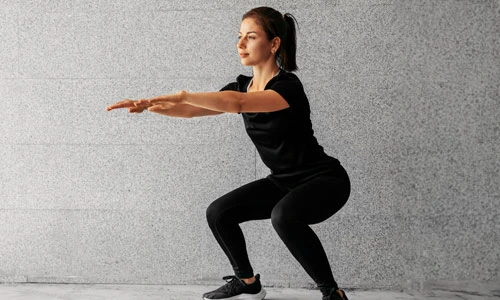
Target Area: Glutes, quadriceps, hamstrings, and core
Squats are the foundation of any effective daily exercise routine. This compound movement engages multiple muscle groups simultaneously, making it incredibly efficient for building lower body strength and improving functional movement patterns.
How to perform:
- Stand with feet hip-width apart, toes slightly turned out
- Lower your body by bending at the hips and knees, keeping your chest up
- Descend until your thighs are parallel to the floor
- Push through your heels to return to starting position
- Perform 15-20 repetitions
Exercise Tip: Start with bodyweight squats and gradually add resistance as you build strength. Focus on proper form rather than speed to maximize benefits and prevent injury.
Exercise 2: Push-ups for Upper Body Power
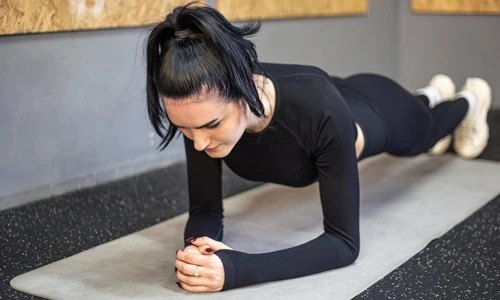
Target Area: Chest, shoulders, triceps, and core
Push-ups are a versatile daily exercise that builds upper body strength while engaging your core muscles. This exercise can be modified to suit any fitness level, making it perfect for consistent daily practice.
How to perform:
- Start in a plank position with hands slightly wider than shoulders
- Lower your body until your chest nearly touches the floor
- Push back up to the starting position, maintaining a straight line from head to heels
- Perform 10-15 repetitions
Modifications: Beginners can perform knee push-ups or incline push-ups using a bench or wall. Advanced practitioners can try diamond push-ups or single-arm variations.
Exercise 3: Planks for Core Stability
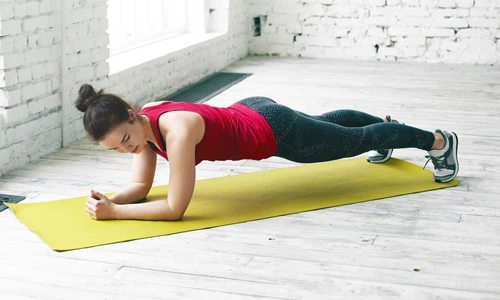
Target Area: Core muscles, shoulders, and back
The plank is an isometric exercise that builds core strength and stability. A strong core is essential for proper posture, back health, and overall functional movement in daily activities.
How to perform:
- Start in a push-up position, then lower onto your forearms
- Keep your body in a straight line from head to heels
- Engage your core muscles and breathe normally
- Hold for 30-60 seconds
Daily Exercise Progression: Begin with 30-second holds and gradually increase duration as your strength improves. Focus on maintaining proper form throughout the entire hold.
Exercise 4: Lunges for Leg and Glute Development
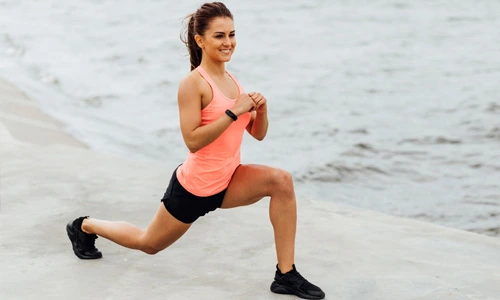
Target Area: Quadriceps, glutes, hamstrings, and calves
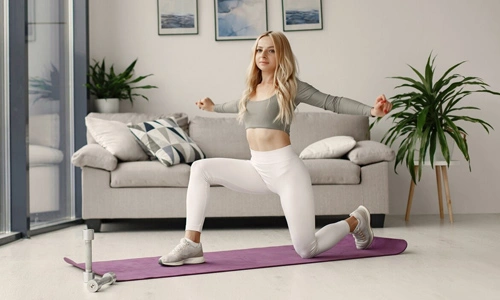
Lunges are an excellent unilateral daily exercise that helps correct muscle imbalances while building functional leg strength. This movement pattern mimics everyday activities like climbing stairs and walking.
How to perform:
- Stand tall with feet hip-width apart
- Step forward with one leg, lowering your hips until both knees are bent at 90 degrees
- Keep your front knee over your ankle and your weight on your front heel
- Push back to starting position and repeat on the other side
- Perform 12-15 repetitions per leg
Variation: Try reverse lunges, walking lunges, or lateral lunges to target muscles from different angles and keep your exercise routine interesting.
Exercise 5: Glute Bridges for Posterior Chain
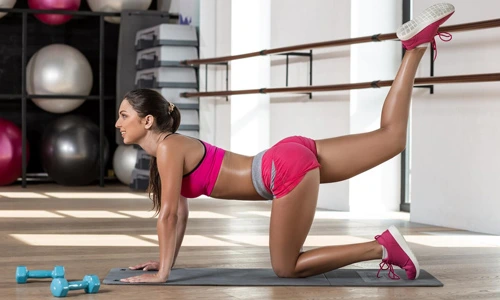
Target Area: Glutes, hamstrings, and lower back
Glute bridges are a crucial workout for counteracting the effects of prolonged sitting. This movement strengthens the posterior chain, improves hip mobility, and helps alleviate lower back pain.
How to perform:
- Lie on your back with knees bent and feet flat on the floor
- Squeeze your glutes and lift your hips off the ground
- Create a straight line from your knees to your shoulders
- Hold for 2 seconds at the top, then lower slowly
- Perform 15-20 repetitions
Enhancement: Add a resistance band around your knees or hold the bridge position for longer periods to increase difficulty and maximize results.
Exercise 6: Mountain Climbers for Cardio and Core
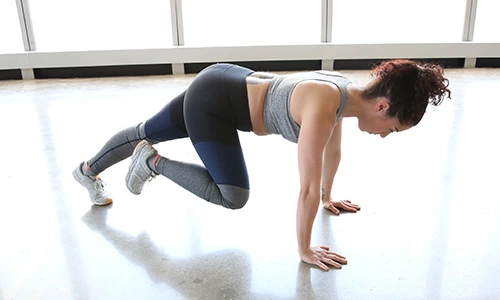
Target Area: Core, shoulders, and cardiovascular system
Mountain climbers combine strength training with cardiovascular exercise, making them an efficient addition to any workout. This dynamic movement elevates your heart rate while strengthening multiple muscle groups.
How to perform:
- Start in a plank position with hands under shoulders
- Bring one knee toward your chest, then quickly switch legs
- Continue alternating legs in a running motion
- Keep your hips level and core engaged throughout
- Perform for 30-45 seconds
Intensity: Adjust the speed based on your fitness level. Focus on controlled movements rather than pure speed to maintain proper form.
Exercise 7: Tricep Dips for Arm Toning
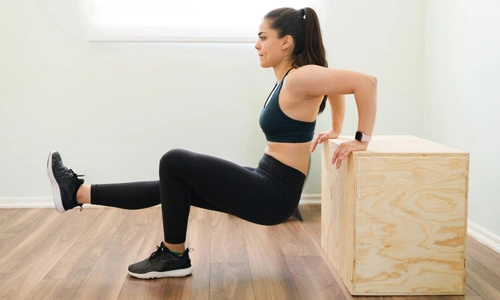
Target Area: Triceps, shoulders, and chest
Tricep dips target the often-neglected back of the arms, helping create balanced upper body strength. This can be performed using a chair, bench, or even the edge of your couch.
How to perform:
- Sit on the edge of a stable chair or bench with hands beside your hips
- Slide off the edge, supporting your weight with your arms
- Lower your body by bending your elbows to about 90 degrees
- Press back up to starting position
- Perform 10-12 repetitions
Safety Note: Keep your shoulders away from your ears and avoid dipping too low to prevent shoulder strain. This should challenge your triceps without causing joint discomfort.
Exercise 8: Standing Calf Raises for Lower Leg Strength
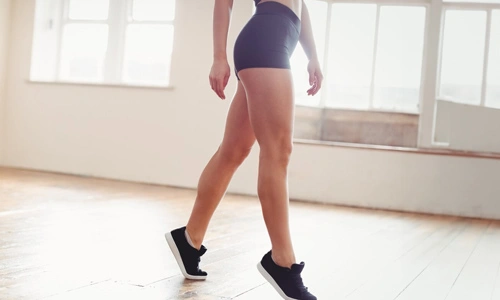
Target Area: Calves and ankles
Calf raises are often overlooked but are essential for lower leg strength and ankle stability. This simple exercise improves circulation, enhances balance, and helps prevent common foot and ankle injuries.
How to perform:
- Stand tall with feet hip-width apart
- Rise up onto your toes, lifting your heels as high as possible
- Hold briefly at the top, then lower slowly
- Perform 15-20 repetitions
Variation: Perform single-leg calf raises for increased difficulty, or hold weights in your hands for added resistance.
Creating Your Daily Exercise Schedule
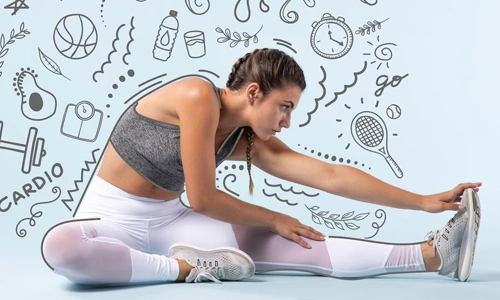
To maximize the benefits of these exercises, consistency is key. Here's a sample weekly schedule that incorporates all movements while allowing for proper recovery:
Monday, Wednesday, Friday: Full routine (all 8 exercises) Tuesday, Thursday: Focus on 4 exercises (alternate between upper and lower body) Saturday: Light activity (walking, yoga, or stretching) Sunday: Rest or gentle movement
The entire routine should take 15-20 minutes when performed efficiently. Remember, the goal is consistency rather than perfection. It's better to perform a shorter routine daily than to skip days entirely.
Tips for Success
- Start Small: Begin with fewer repetitions and shorter durations, gradually building up as your fitness improves. The habit is more important than the intensity initially.
- Listen to Your Body: While consistency is important, pay attention to signs of fatigue or discomfort. Modify exercises as needed and don't hesitate to take rest days when your body requires them.
- Track Your Progress: Keep a simple log of your routine. Recording your workouts helps maintain motivation and allows you to see improvement over time.
- Make It Convenient: Set up a designated space for your exercise. Having your workout area ready eliminates barriers and makes it easier to stay consistent.
Common Exercise Mistakes to Avoid
Many women make the mistake of focusing solely on cardio or neglecting certain muscle groups. These 8 exercises provide a balanced approach that targets all major muscle groups. Another common error is expecting immediate results. Consistent workout yields gradual improvements that compound over time.
Avoid the all-or-nothing mentality. If you miss a day, simply return to your routine the next day rather than abandoning your commitment entirely.
Frequently Asked Questions
How long should I spend on daily exercise as a beginner?
As a beginner, start with just 10-15 minutes of daily exercise. Focus on performing 2-3 of the 8 exercises with proper form rather than trying to complete the entire routine. Gradually increase duration and add more exercises as your fitness level improves. The key is consistency—it's better to exercise for 10 minutes daily than to do an hour-long workout once a week.
Can I do these exercises if I have no prior fitness experience?
Absolutely! These 8 exercises are designed to be beginner-friendly with modification options for every fitness level. Start with the basic versions of each movement, such as knee push-ups instead of full push-ups or shorter plank holds. Your daily exercise journey should progress at your own pace, and there's no shame in starting with modifications.
What's the best time of day for exercise?
The best time is whenever you can be most consistent. Some women prefer morning workouts to energize their day, while others find evening sessions help them unwind. Research suggests morning exercise may boost metabolism throughout the day, but the most important factor is choosing a time you can stick to consistently.
Do I need equipment for these daily exercise routines?
No special equipment is required for these exercises. All of them can be performed using just your body weight. However, as you progress, you might want to add simple equipment like resistance bands, dumbbells, or a yoga mat to increase intensity and comfort.
How soon will I see results?
While individual results vary, most women notice increased energy and improved mood within the first week of consistent workouts. Physical changes like improved strength and muscle tone typically become noticeable after 3-4 weeks of regular practice. Remember, the benefits extend beyond physical appearance to include better sleep, reduced stress, and enhanced overall well-being.
Can I do the same 8 exercises every single day?
While you can perform these exercises daily, it's beneficial to vary the intensity and focus. Consider alternating between full-body days (all 8 exercises) and targeted days (4-5 exercises focusing on specific muscle groups). This approach prevents overuse injuries and keeps your routine engaging and challenging.
What should I do if I feel sore after exercising?
Mild muscle soreness is normal in the beginning, especially if you're new to fitness. This typically indicates your muscles are adapting and growing stronger. However, sharp pain or severe soreness that interferes with daily activities may signal overexertion. In such cases, take a rest day or perform gentler movements like stretching or walking.
How do I stay motivated?
Maintaining motivation requires setting realistic goals, tracking progress, and celebrating small victories. Start with achievable targets, such as completing the routine 4 days in the first week. Use a fitness journal or app to monitor your progress, and remember that consistency matters more than perfection. Consider finding an accountability partner or joining online communities focused on daily exercise for women.
Implementing these simple exercises into your lifestyle is a powerful step toward improved health, increased strength, and enhanced confidence. Each exercise targets a specific area of your body, ensuring balanced development and functional fitness that translates to better performance in daily activities.
Remember, the most effective daily exercise program is one you can maintain consistently. Start where you are, use what you have, and do what you can. By dedicating just 15-20 minutes each day to these targeted movements, you're investing in a stronger, healthier version of yourself.