Do you ever stop to think about your eye health in the hustle and bustle of daily life? With the increasing demands of screen time, environmental pollutants, and lifestyle factors, it’s more important than ever to take steps to protect your eyesight. But how to protect your eyes? The good news? You don’t need complicated solutions to maintain your vision—there are plenty of natural ways to care for your vision by following simple, effective habits. Ready to learn more? Let's dive into the best ways to protect your eyesight naturally.
How to Protect Your Eyes: 11 Effective Natural Ways
1. Eat an Eye-Friendly Diet

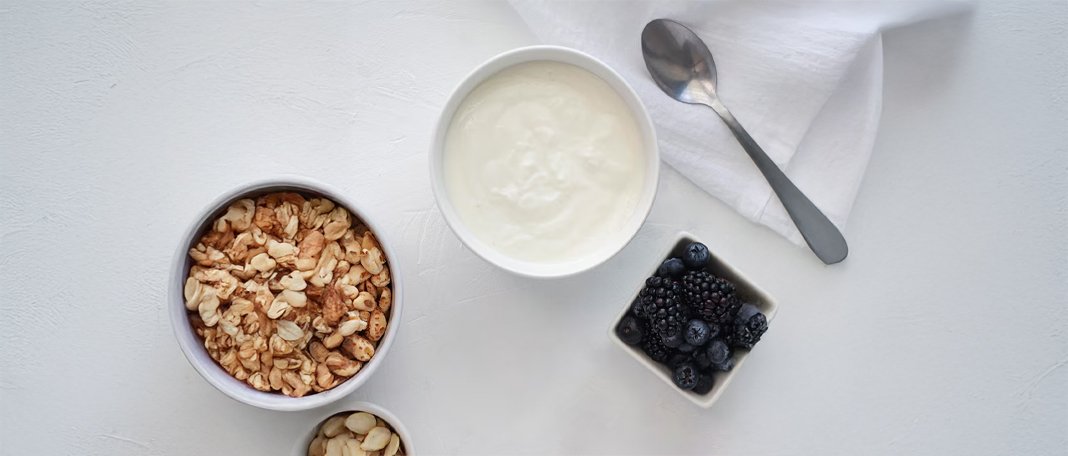
Did you know that what you eat has a direct impact on your eyesight? Certain nutrients can reduce your risk of eye conditions like cataracts and age-related macular degeneration (AMD). So, what should you be adding to your plate?
- Leafy greens: Kale, spinach, and collard greens are packed with lutein and zeaxanthin, antioxidants that are great for your eyes.
- Fatty fish: Omega-3 fatty acids are found in fish like salmon and tuna which help prevent dry eyes.
- Citrus fruits and berries are high in vitamin C. These fruits help maintain the health of your eye's blood vessels.
- Nuts and seeds like almonds, walnuts, and sunflower seeds are rich in vitamin E. They can protect your eyes from oxidative stress.
- Carrots and sweet potatoes are high in beta-carotene, a nutrient essential for night vision.
So, next time you plan your meals, consider adding foods that are not just good for your body but also great for your eyes!
2. Quit Smoking for Long-term Eye Health

You’ve probably heard that smoking harms your lungs and heart, but did you know it can also damage your eyes? Smoking increases the risk of developing cataracts, macular degeneration, and damage to the optic nerve. Quitting smoking is one of the best decisions you can make for both your overall health and your eyesight. Even if you’ve been smoking for years, it’s never too late to quit and start protecting your vision!
3. Give Your Eyes a Break
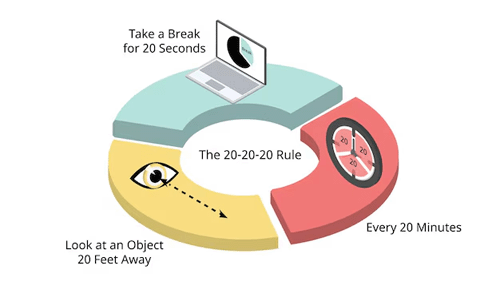
How many hours do you spend staring at a screen each day? Be it for work, school, or leisure, excessive screen time can strain your eyes and lead to digital eye strain or computer vision syndrome. Symptoms include dry eyes, blurred vision, and headaches. So, what can you do about it? Follow the 20-20-20 rule: Every 20 minutes, look at something 20 feet away for 20 seconds. This simple habit can reduce eye strain and give your eyes a well-deserved break.
4. Check for Hereditary Eye Conditions

Do eye problems run in your family? If so, you might be at a higher risk for conditions like glaucoma, cataracts, or retinal diseases. Knowing your family history can help your eye doctor monitor for potential issues before they become serious and give timely treatment.
5. Keep Your Eyes Moist

We all know hydration is important for overall health, but did you know it also benefits your eyes? Staying hydrated helps keep your eyes lubricated, reducing dryness and irritation. So, drink plenty of water throughout the day and consider hydrating foods like cucumbers and watermelon for an extra boost.
6. Wear Protective Eyewear

Do you work in an environment where your eyes could be at risk, like construction or a laboratory? Wearing protective eyewear like goggles or safety glasses can shield your eyes from injuries. Even while playing sports, especially activities like basketball or racquetball, protective eyewear is a must to prevent serious eye damage. Look for sunglasses with 100% UV protection, as extended exposure to the sun can damage the retina and lead to vision problems.
7. Don’t Skip Your Appointments
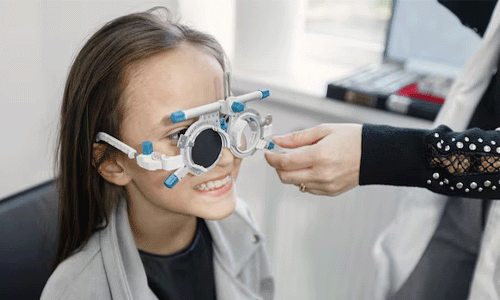
How often do you schedule an eye exam? Many people neglect regular checkups, but early detection of eye conditions like glaucoma or macular degeneration can prevent long-term vision loss. Experts recommend an eye checkup at least once every two years, and annually for those over 60. Regular eye exams are vital for maintaining eye health, even if you don't currently wear glasses or contacts. Your optometrist can also detect other health conditions, such as diabetes or high blood pressure, through an eye exam. Isn’t that amazing?
8. Rest Your Eyes

Just like your body, your eyes need rest to function at their best. Lack of sleep can lead to dry eyes, eye spasms, and blurry vision. So, make sure you’re getting 7-9 hours of good quality sleep every night to allow your eyes to recover from daily strain.
9. Eye Exercises to Strengthen Your Eye Muscles
While eye exercises won’t magically fix your vision, they can be a helpful tool to ease eye strain and sharpen your focus. Here are some simple exercises you can do anywhere to give your eyes a break and improve their performance.
a. Warm Palming Technique
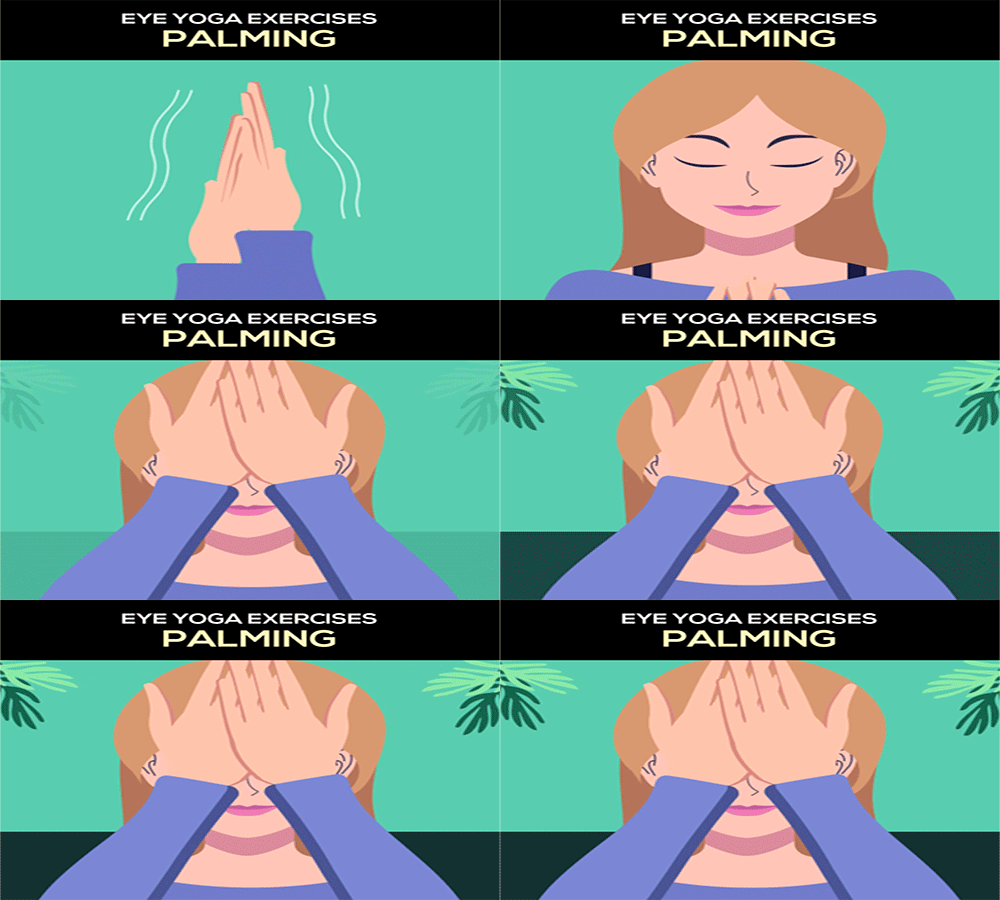
Rub your hands together to generate warmth, then gently place your palms over your closed eyes. This soothing exercise helps increase circulation to the eyes and reduces eye strain. It’s a calming method to relax your eyes after long periods of screen time.
b. Gentle Eye Massage
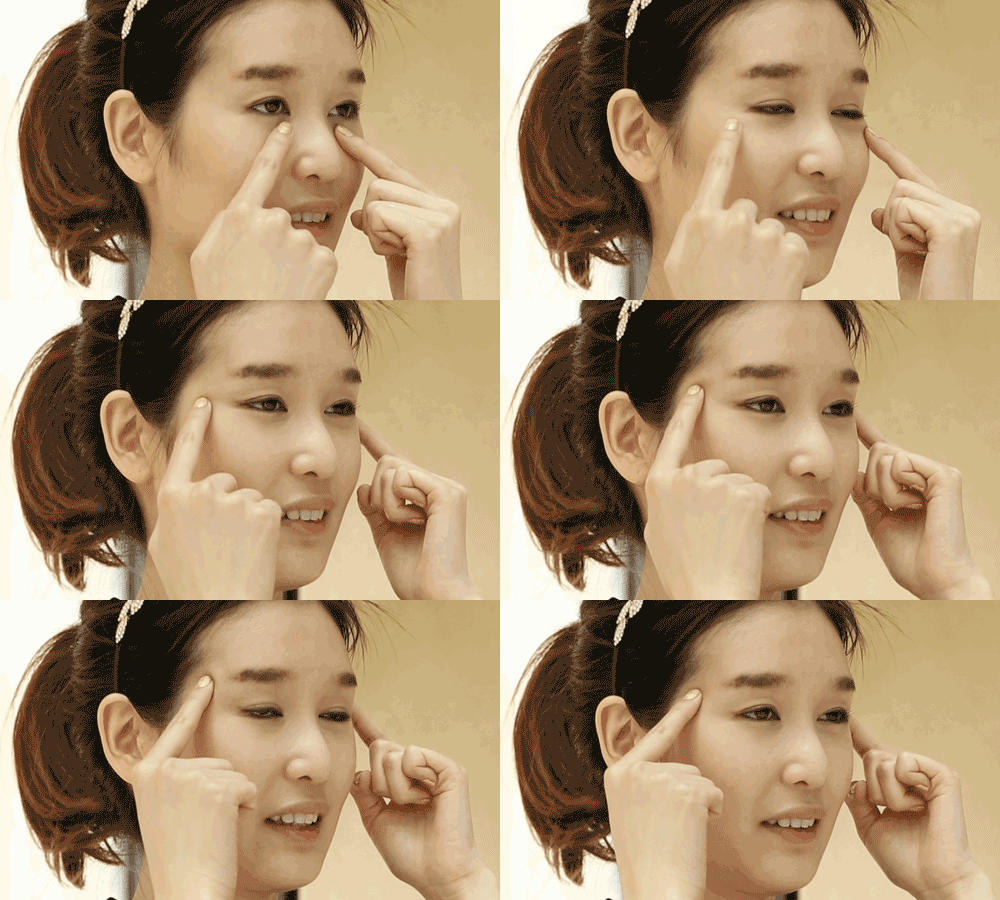
With your eyes closed, use your fingertips to softly massage your eyelids in circular motions. This technique promotes relaxation and enhances blood flow to the eyes, relieving tension in the surrounding muscles.
c. Quick Blinking Exercise

Sit comfortably and begin blinking rapidly for a few seconds. This simple exercise helps lubricate your eyes, easing dryness and reducing eye fatigue, especially after extended focus on screens or reading.
d. Near-to-Far Focus Drill
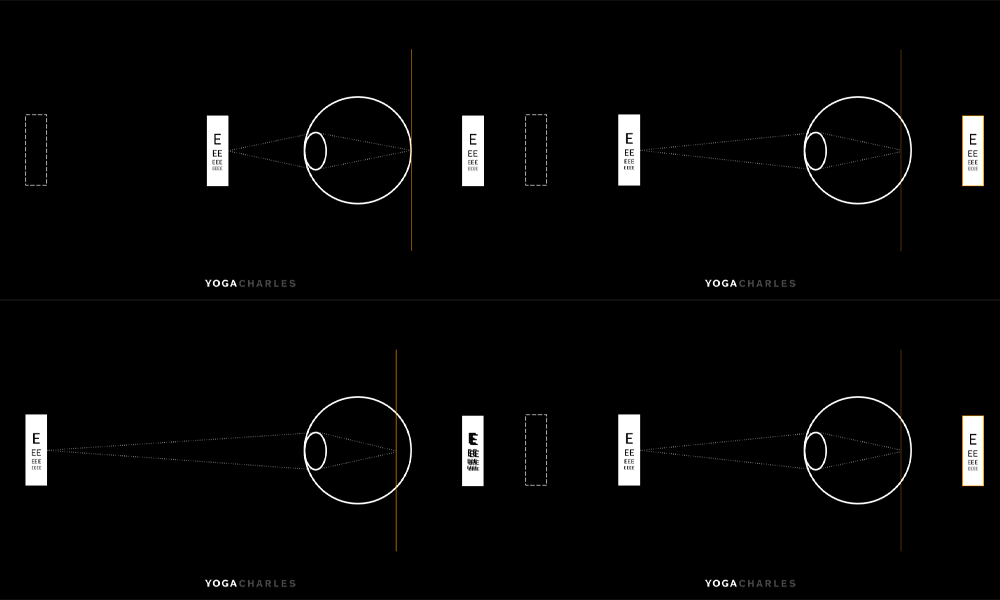
Hold a finger close to your face and steadily move it away while keeping your gaze fixed on it. This exercise enhances your eye’s ability to adjust focus and sharpens your vision for both near and far objects.
e. Eye Rolling Relaxation

Slowly roll your eyes in both clockwise and counterclockwise directions. This gentle movement improves circulation and helps relax the muscles around the eyes, providing relief from eye strain.
f. Figure 8 Eye Movement
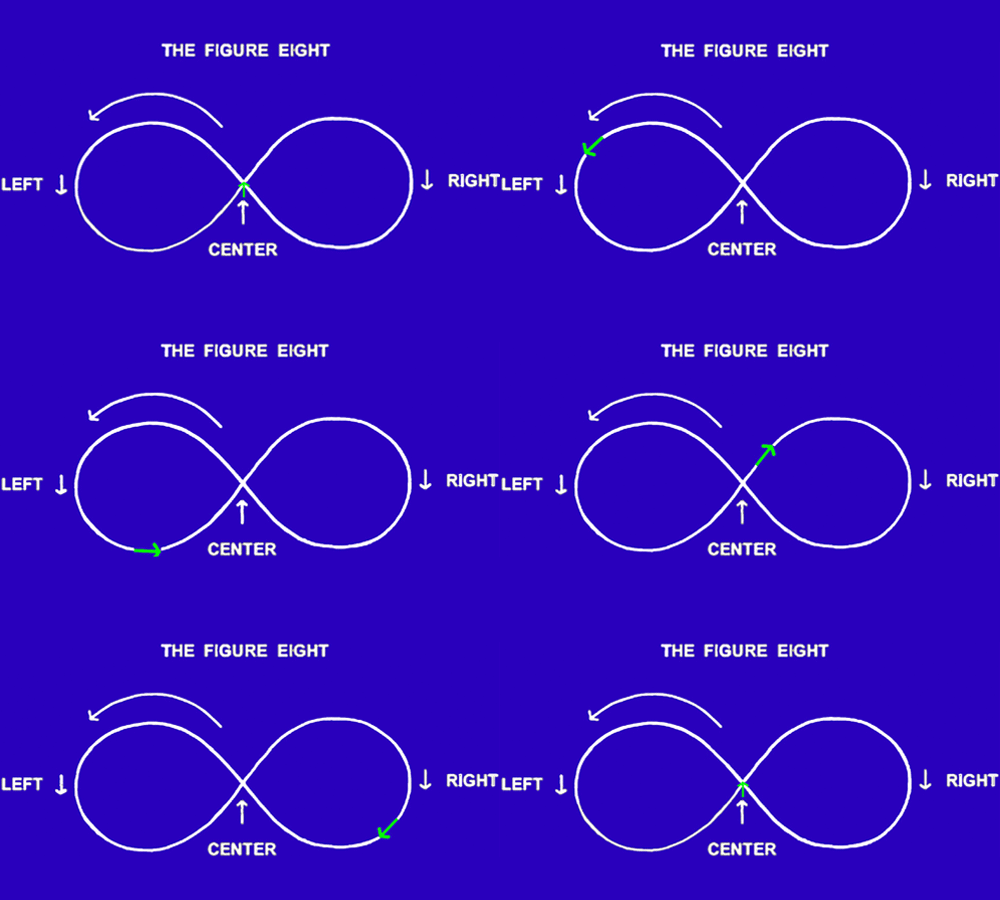
Imagine a large figure 8 in front of you and trace it with your eyes, focusing on smooth and controlled movements. This exercise improves coordination and flexibility of your eye muscles.
g. Distant View Gazing

Take a break from close-up work by spending a few minutes looking at something far away, such as a natural landscape. This practice relaxes your eyes and reduces the strain from focusing on near objects for extended periods.
h. Focus Shifting Practice
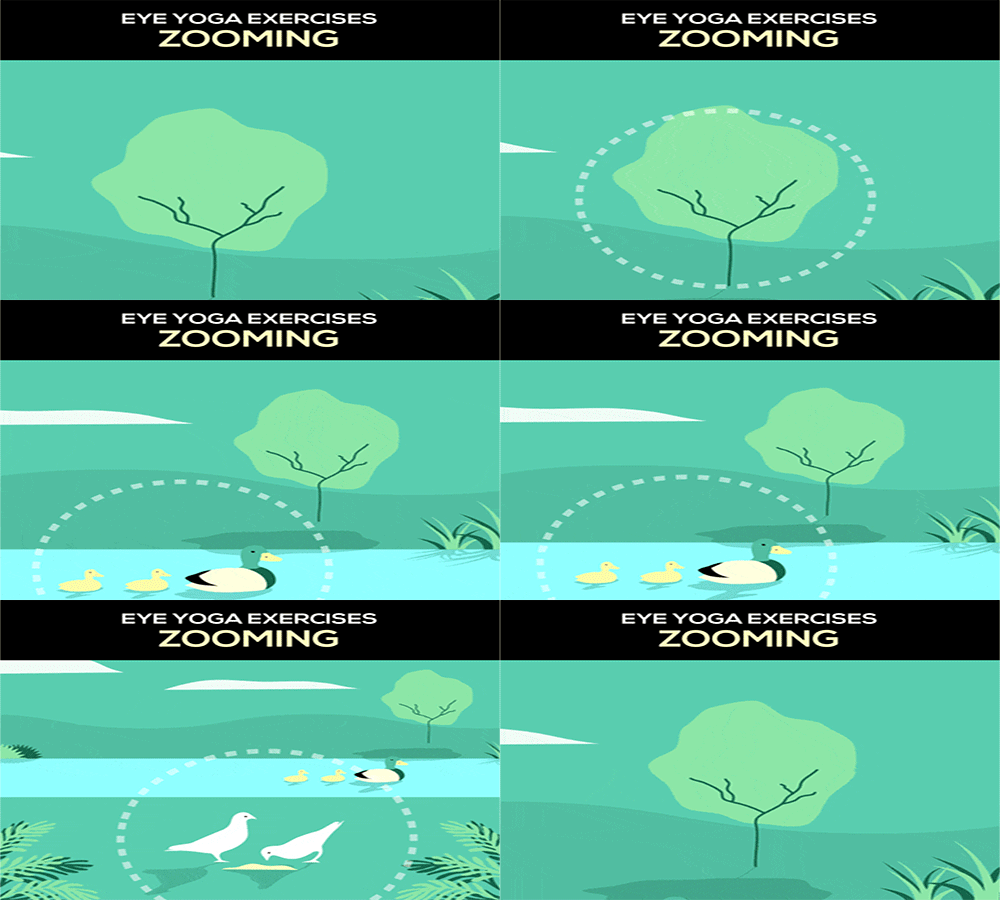
Pick one object nearby and another farther away, then shift your gaze between the two. This exercise helps improve your eye’s adaptability and enhances overall visual flexibility.
10. Physical Activity for Eye Health

Surprised that staying fit benefits your eyes, too? Regular physical activity improves circulation, which can lower the risk of eye conditions like glaucoma and diabetic retinopathy. Whether it’s walking, jogging, or yoga, staying active is good for both your body and your eyes.
11. Practice Good Eye Hygiene
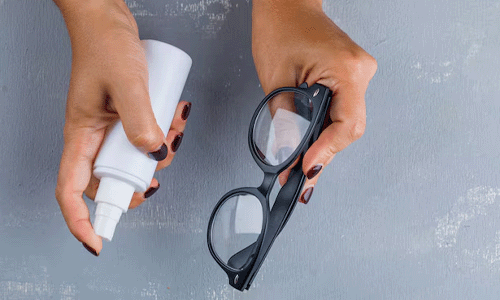
When was the last time you cleaned your glasses or contact lenses? Proper eye hygiene is crucial to prevent infections like conjunctivitis or keratitis. Always wash your hands before touching your eyes, clean your eyewear regularly, and never sleep with your contacts in. These small steps can go a long way in protecting your eyes.
Is It Possible for People to Stop Needing Glasses?

Is there a way to ditch my glasses? It is the most frequent question that runs in every specs people’s minds. While lifestyle changes and proper eye care can protect your vision, they won’t reverse refractive errors like nearsightedness or farsightedness. However, surgical procedures like LASIK can correct these issues. If you're considering ditching your glasses, talk to an eye doctor about your options.
Your Eyes Deserve Care
Your eyes are your windows to the world, and taking care of them is crucial. From eating a nutritious diet to practicing the 20-20-20 rule, there are many ways you can protect your eyesight naturally. So, are you ready to start taking better care of your eyes? Take action today and start giving your eyes the attention they deserve!