

If you’re a parent, you’ve probably heard over and over how important vaccines are—but you might still have questions. Vaccination isn’t just a checklist from your pediatrician—it’s a carefully developed protection plan that can save your child from dangerous diseases.
Here are 5 essential things you need to know about immunization in children—straightforward, medically backed, and parent-friendly.
1. Immunization Starts Earlier Than You Think
Many parents are surprised to learn that immunization in children begins right after birth. The very first vaccine your baby receives is the Hepatitis B shot, given within 24 hours of delivery.
From there, vaccines are scheduled at specific intervals:
- 2, 4, and 6 months: DTaP, Hib, IPV, PCV, and Rotavirus
- 12–15 months: MMR, Varicella, HepA
- 4–6 years: Boosters for DTaP, MMR, Varicella, and IPV
Pro Tip: Keep a digital or physical immunization record. Most schools and daycares require up-to-date vaccine documents.
2. Vaccines Don’t Overwhelm the Immune System
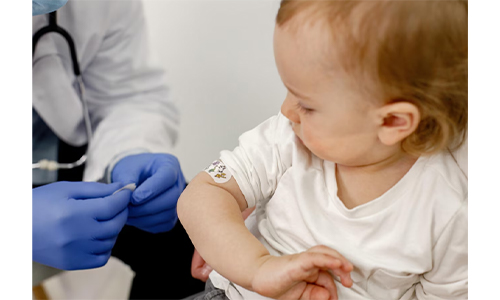
One of the most common myths is that giving multiple vaccines at once can “overload” a baby’s immune system. This isn’t true.
In fact, your child encounters more germs in a day crawling on the floor or putting things in their mouth than they do from vaccines. The body can handle thousands of antigens, and today’s vaccines are purer and more targeted than ever before.
What a Pediatrician Says: “Vaccines are designed to mimic infections in a safe, controlled way. They strengthen the immune system—not weaken it.”
3. Vaccination Protects More Than Just Your Child
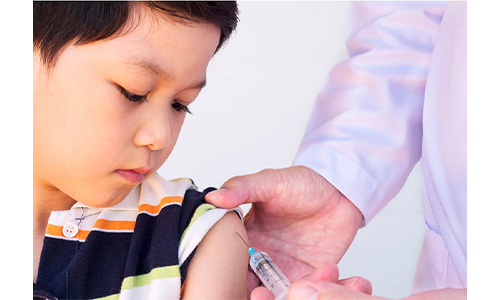
Immunization in children plays a critical role in herd immunity. This means when enough people are vaccinated, the entire community is protected—including babies too young to be vaccinated and those with weakened immune systems.
Diseases like measles or whooping cough spread fast. One infected child can expose dozens. Vaccines help stop these outbreaks before they start.
Skipping vaccines doesn’t just put your child at risk—it affects everyone they come into contact with.
4. Side Effects Are Normal—and Rarely Serious
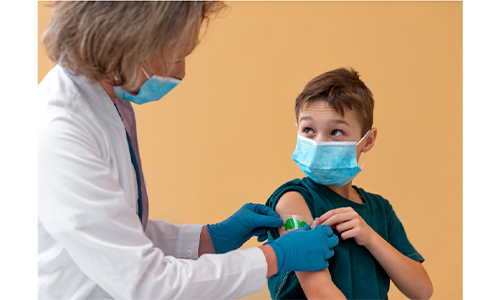
Yes, your child might get a low-grade fever, soreness at the injection site, or be a little cranky after a shot. But these are minor signs that the body is building protection.
Severe reactions are extremely rare—about 1 in a million doses. Compare that to the risks of actual diseases:
- Measles can lead to brain swelling
- Pertussis (whooping cough) can cause pneumonia or death in infants
- Polio can lead to permanent paralysis
Use a cool compress and give your child extra cuddles after shots. It makes a big difference!
5. Staying on Schedule Matters More Than You Think

Life gets busy—especially with kids. But missing or delaying vaccines leaves dangerous gaps in protection. Some diseases can strike early, like Hib and Rotavirus, which is why those vaccines are given in the first few months of life.
Set reminders and work with your pediatrician to catch up if needed. Even if you’ve missed a dose, it’s never too late to get back on track.
Common Questions Parents Ask
What happens if my child misses a scheduled vaccine?
Don’t worry! Most vaccines can be caught up without starting over. Talk to your pediatrician about a catch-up schedule.
Are combination vaccines safe?
Yes! They reduce the number of shots your child needs and are just as effective.
Can vaccines cause autism?
No. Multiple large studies have confirmed no link between vaccines and autism. This myth has been widely debunked.
What if my child is sick during vaccination day?
If your child has a mild cold or low-grade fever, most vaccines can still be given. But if they’re very sick, your doctor may delay it for safety.
Understanding the facts about immunization in children helps you make confident, informed decisions. Vaccines are safe, life-saving, and essential to your child’s long-term health—and the health of the community around them.
Childhood Vaccination Chart (Birth–6 Years)
| Age | Vaccines | Purpose |
| Birth | HepB (1st dose) | Protects against Hepatitis B |
| 1–2 Months | HepB (2nd dose) | Second dose for continued protection |
| 2 Months | DTaP (1st dose)
IPV (1st dose) Hib (1st dose) PCV13 (1st dose) RV (1st dose) |
Protects against diphtheria, tetanus, pertussis, polio, Haemophilus influenzae type b, pneumococcal disease, and rotavirus |
| 4 Months | DTaP (2nd dose)
IPV (2nd dose) Hib (2nd dose) PCV13 (2nd dose) RV (2nd dose) |
Boosts early immunity |
| 6 Months | DTaP (3rd dose)
IPV (3rd dose)* Hib (3rd dose)* PCV13 (3rd dose) RV (3rd dose)* HepB (3rd dose)* |
*Depends on brand and schedule; consult your pediatrician |
| 6–18 Months | HepB (3rd dose, if not yet given)
IPV (3rd dose) |
Completion of early series |
| 12–15 Months | MMR (1st dose)
Varicella (1st dose) Hib (booster) PCV13 (booster) HepA (1st dose) |
First doses for measles, mumps, rubella, chickenpox, and hepatitis A |
| 15–18 Months | DTaP (4th dose) | Booster for diphtheria, tetanus, pertussis |
| 18–24 Months | HepA (2nd dose, 6 months after 1st) | Completion of HepA series |
| 4–6 Years | DTaP (5th dose)
IPV (4th dose) MMR (2nd dose) Varicella (2nd dose) |
School-entry boosters |
- Annual flu shots are recommended for all children 6 months and older.
- COVID-19 vaccines are available for children based on age and eligibility. Always check with the latest CDC guidance or your doctor.
- Combination vaccines may reduce the number of injections.
You don’t have to do it all alone. Keep asking questions, stay curious, and partner with your healthcare provider to keep your child protected.