
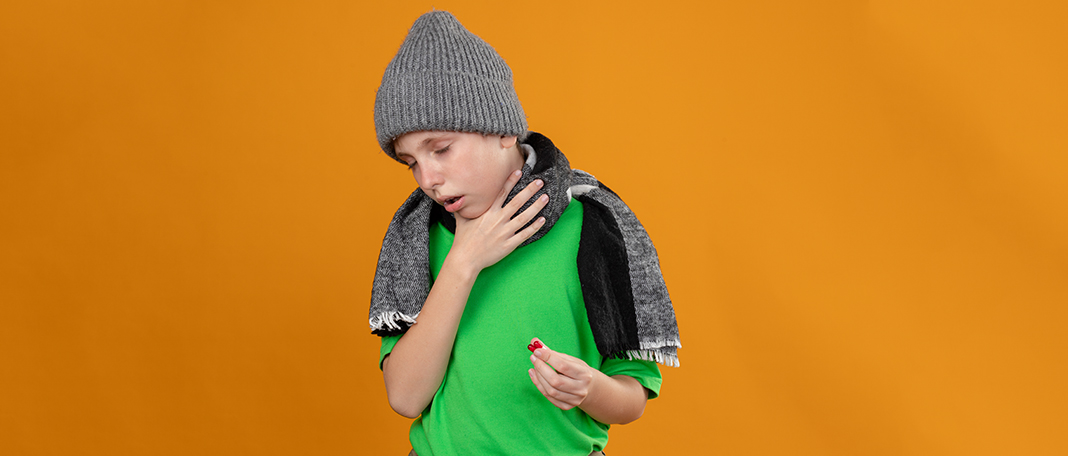
The Consumer Product Safety Commission has requested Calico Critters to recall their toys following two choking deaths. According to the company, there have been 3 choking incidents related to the toys. It includes the death of a 2-year-old kid in New Mexico and a 9-month infant in Japan. Parents are now requested to recall the toys and claim a replacement for the same. Is it something to panic about? 75% of children's death occur due to choking. One child in the US dies from choking every five days. The stats are alarming but there are always good ways to prevent choking in kids.
As a parent, you should worry about everything that goes into your baby's mouth. This helps you avoid frequent visits to the paediatrician. Babies and toddlers explore a lot of things by touching and putting them in their mouths. So, choking in kids is a common thing. You need to take preventive measures to protect your kids.
What is Choking?
If a baby tries to swallow anything that's too large for their throat, the object can get stuck and choke them. Anything that blocks the airway of your baby can cause choking. If the food or any item is stuck, there's no room for oxygen to reach your baby's lungs and brain. Sometimes, the baby can still breathe despite the stuck object.

What to Do if a Child Chokes?
If the child turns blue or purple and cannot speak or cough, you need to rush them to the healthcare provider. If the child is coughing and able to talk, encourage them to cough the item out. You must call 911 if you notice the kid vomiting, coughing too much, or wheezing. Reach out for medical help if they choke on batteries, bits, and pieces of toys. Batteries have strong chemicals that can burn and toys have sharp edges that can hurt the airway.
Essential Choking Facts You Need to Know
- Children under the age of 5 are at a high risk of choking injury.
- The size of a young kid's windpipes is the same size as a drinking straw. Even a piece of popcorn can choke.
- The most nonfatal cause of choking in a young kid is food.
- More than 12000 kids go to the hospital reporting food-related choking issues.
- Toy manufacturers label toys that pose a potential choking risk.
What Objects are Choking Hazards for Kids?

- Meat
- Fish with bones
- Hard candy
- Dry fruits, seeds, nuts, peanut
- Whole grapes
- Raw vegetables
- Marshmallows
- Popcorn
- Ice cubes
- Sticky, hard-textured food
- Latex balloons
- Coins
- Marbles
- Small balls
- Pen caps
- Buttons
- Screws
- Rings
- Stone
- Stapler
- Crayons
- Toys and so on
How to Prevent Choking in Kids?
- Always supervise the kid while eating.
- Use a high chair and make sure they sit straight up.
- Children should always have a calm mealtime. Do not hurry them.
- Cut the food into small pieces.
- Remove seeds and pits.
- Cook vegetables to soften their texture.
- Teach safe eating habits to your kids.
- Make sure the kid chews food thoroughly.
- Offer plenty of liquids when eating. But do not give them both solids and liquids at the same time.
- Follow food safety during holiday season
- Pay attention when they play to ensure child safety.
- Learn life-saving techniques to help a kid.
How to Choke-Proof Your Home?

Get down on the floor and look for any dangerous items. Check under furniture, between cushions, and beds. If you have older kids, make sure they don't give away their toys to the younger ones. You should also make sure the toys are in good condition. They should also be age appropriate. Be extra careful when they play with balloons. Check the play area and remove any harmful items immediately. This way, you can prevent choking in kids to an extent.
Frequently Asked Questions (FAQ)
1. What is the highest risk age group for choking injury?
Children under the age of five years old are at the highest risk. Their windpipes are narrow (about the size of a drinking straw), making even small objects like popcorn a hazard.
2. What is the most common cause of nonfatal choking in young children?
Food is the most common nonfatal cause of choking. Over 12,000 children are hospitalized yearly due to food-related choking incidents in the US.
3. What is the safest way to give solid foods to toddlers?
Always supervise the child, ensure they are sitting straight in a high chair, and cut food into very small, manageable pieces. Cook vegetables until soft, and remove all seeds and pits.
What are the signs that a child is choking and needs immediate help?
A child who is truly choking cannot speak, cough, or cry and may turn blue or purple. This requires immediate intervention and calling emergency services (911).
5. What are three common non-food choking hazards to remove from the floor?
Common non-food hazards include latex balloons, coins, marbles, and small toy parts. Parents should get down on the floor to check under furniture and cushions for these items.
6. Why are toys like Calico Critters being recalled due to choking risks?
Toys like Calico Critters are recalled because they have small parts that can detach and entirely block a young child’s airway. Two recent choking deaths involving children under two highlighted the severe hazard posed by these small components.
7. Should I call 911 immediately if my child starts coughing after choking?
If the child is coughing and able to talk or make noise, encourage them to keep coughing, as this means air is moving and they may dislodge the object themselves. You only need to call 911 immediately if the child cannot breathe, speak, or cough.
8. What foods should I always cut or prepare differently to prevent choking?
Foods that require special preparation include whole grapes (must be quartered), hot dogs (sliced lengthwise and then into small pieces), hard candy, and nuts/seeds. Any hard, sticky, or round-shaped food is a high risk.
9. How can I "choke-proof" my home effectively?
To choke-proof your home, conduct a "floor check" by crawling around to identify small items. Ensure toys are age-appropriate and in good condition. Be vigilant about older siblings giving small, hazardous toys to younger children.
10. Why are latex balloons particularly dangerous?
Latex balloons are dangerous because if they pop, the pieces can easily block a child's airway. Furthermore, the material can form a tight seal, making it extremely difficult to dislodge and remove without medical help.
Final Words,
It is unlikely to remove all the objects so parents and caregivers should learn to treat a kid who is choking. The rescue technique is different for adjust and infants so master the trick as it comes in handy.