
Flatulence is one of those things everyone experiences but no one likes to talk about. Whether it’s a quiet puff or a thunderous blast, farts are part of being human. But did you know your gut bacteria are behind most of the gas your body produces?
Scientists estimate that a healthy person passes gas between 10 and 20 times a day. That might sound like a lot, but it’s completely normal! The reason you fart has more to do with the tiny organisms in your digestive tract than with what you ate for lunch. Let’s explore how gut bacteria and flatulence are connected—and what you can do when gas gets out of hand.
1. What Exactly Is Flatulence?
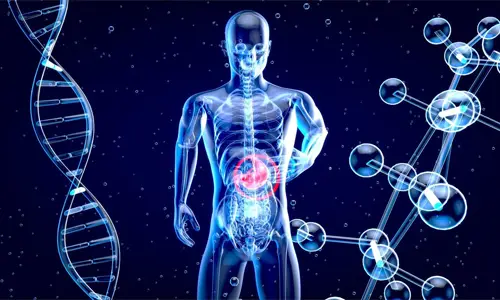
Flatulence, or farting, is simply the release of intestinal gas through the rectum. Most of this gas forms in your large intestine when bacteria break down undigested food. It’s mainly composed of hydrogen, carbon dioxide, and methane, though small amounts of sulfur gases give it that familiar (and unpleasant) smell.
While it may seem embarrassing, farting is actually a sign that your digestive system is working. It means your gut microbes are active, fermenting fibers and carbohydrates your stomach couldn’t digest. The trouble starts when there’s too much gas, causing bloating, pain, or social discomfort.
2. How Gut Bacteria Cause Flatulence
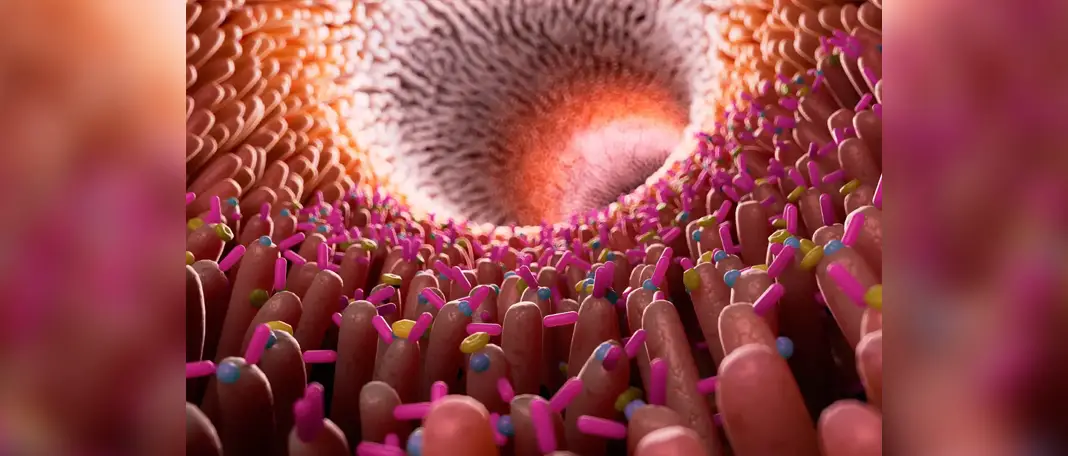
Your digestive system is home to over 100 trillion bacteria, most of which live in the colon. Together, they’re known as the gut microbiota. These microbes perform vital roles—helping you digest food, make vitamins, and protect against harmful pathogens.
But when it comes to gas production, here’s what really happens:
- When undigested carbs, sugars, and fibers reach your large intestine, your gut bacteria ferment them.
- During fermentation, bacteria release gases such as hydrogen, carbon dioxide, and sometimes methane.
- Some gases are absorbed into the bloodstream and exhaled, but the rest build up and exit through your rectum.
Different bacteria produce different gases. For example, Methanobrevibacter smithii produces methane, while Bacteroides and Clostridium release hydrogen and sulfur compounds. The mix of gases depends on your gut microbiome composition, diet, and even your stress levels.
3. Why Do Some People Fart More Than Others?
Not all guts are created equal. Here’s why you might be more gassy than your best friend:
a. Microbiome Diversity
Your unique blend of gut microbes affects how you digest food. Some people harbor more gas-producing bacteria, leading to frequent flatulence.
b. Diet Choices
Foods high in fiber and complex carbs—like beans, lentils, onions, and broccoli—are notorious for causing gas. They contain FODMAPs, short-chain carbs that ferment easily in the gut.
c. Lactose Intolerance
If you lack the enzyme lactase, dairy sugars stay undigested until they reach the colon—where bacteria feast and create gas.
d. Carbonated Drinks and Swallowed Air
Gulping fizzy drinks or eating too fast makes you swallow air, which adds to the gas load in your intestines.
e. Gut Disorders
Conditions like Irritable Bowel Syndrome (IBS) or Small Intestinal Bacterial Overgrowth (SIBO) can cause excessive gas because bacteria colonize areas they shouldn’t.
4. Foods That Commonly Trigger Flatulence

Some foods naturally cause more fermentation than others. Here are a few usual suspects:
| Food Type | Examples | Why It Causes Gas |
| Legumes | Beans, lentils, chickpeas | High in oligosaccharides (hard-to-digest sugars) |
| Cruciferous veggies | Broccoli, cabbage, cauliflower | Contain raffinose and sulfur compounds |
| Dairy products | Milk, cheese, ice cream | Cause gas in lactose-intolerant individuals |
| Fruits | Apples, pears, mangoes | High in fructose and sorbitol |
| Artificial sweeteners | Sorbitol, mannitol, xylitol | Poorly absorbed and fermented by bacteria |
5. When Flatulence Becomes a Problem
Passing gas is normal, but excessive or foul-smelling farts could mean something’s off in your gut.
- Persistent bloating and pain may indicate bacterial overgrowth.
- Sudden changes in your fart frequency or smell can follow antibiotic use, which disrupts gut flora.
- Very foul odors usually come from sulfur-rich gases—sometimes linked to diets high in red meat or processed foods.
- Chronic flatulence may also be a symptom of celiac disease, IBS, or malabsorption disorders.
If your gas is frequent, painful, or accompanied by other symptoms like diarrhea, weight loss, or fatigue, it’s best to see a doctor.
6. How to Reduce Gas and Bloating Naturally

You don’t have to live with constant gas. Small lifestyle changes can go a long way:
a. Identify and Limit Trigger Foods
Keep a food diary to note what causes excessive gas. Cut back on beans, onions, and carbonated drinks if they bother you.
b. Eat Slowly and Mindfully
Chewing thoroughly and eating without distractions prevents swallowing air, reducing bloating.
c. Balance Your Microbiome
Add probiotic foods like yogurt, kefir, and kimchi to promote healthy gut bacteria. A balanced microbiome produces less gas.
d. Try Digestive Enzymes
Over-the-counter enzyme supplements (like Beano for beans or Lactaid for dairy) can help your gut process tricky foods.
e. Move Your Body
Physical activity stimulates digestion and helps gas move through your intestines faster, easing discomfort.
f. Try the Low-FODMAP Diet
If you have chronic bloating, a doctor or dietitian may recommend a low-FODMAP diet—limiting certain fermentable carbs that fuel gut gas.
7. The Bright Side: Why Farting Isn’t All Bad
Here’s the fun part—farting isn’t just a nuisance. It’s actually a sign of a healthy, functioning gut. Your microbiome is doing its job, breaking down complex foods.
Researchers even suggest that small amounts of hydrogen sulfide (one of the smelly gases) may have protective effects on blood vessels and cells when produced naturally in the gut. So the next time you pass gas, take it as proof that your microbes are alive and kicking!
8. Can Gut Bacteria Be “Trained” to Fart Less?

Interestingly, yes—your gut can adapt to your diet. When you eat high-fiber foods regularly, your gut bacteria adjust and become more efficient, producing less gas over time.
A 2022 study in Nature Microbiology found that introducing fiber gradually led to less gas and discomfort after a few weeks, as the gut microbiota learned to digest it better. The takeaway? Don’t ditch fiber completely—just let your gut adjust slowly.
9. When to Seek Medical Help
See your healthcare provider if you experience:
- Sharp abdominal pain or severe bloating
- Gas accompanied by diarrhea, blood, or weight loss
- A sudden increase in farting frequency without dietary changes
Doctors can test for lactose intolerance, SIBO, celiac disease, or bacterial imbalance to pinpoint the issue.
FAQs on Gut Bacteria and Flatulence

1. Why do gut bacteria cause flatulence?
They ferment undigested carbs in your colon, releasing gases like hydrogen, methane, and carbon dioxide.
2. What foods cause the most gas?
Beans, broccoli, cabbage, onions, and dairy products are top culprits due to fermentable carbs and sugars.
3. Can probiotics reduce flatulence?
Yes, probiotics can help balance your gut bacteria and reduce gas over time.
4. Is it normal to fart every day?
Absolutely. Passing gas 10–20 times a day is normal and indicates a healthy digestive system.
5. Can gut bacteria imbalance cause smelly farts?
Yes. When certain sulfur-producing bacteria dominate, your farts may smell stronger.
6. How can I relieve gas quickly?
Walking, stretching, or lying on your side can help release trapped gas and ease discomfort.
7. Does holding in gas harm your body?
Occasionally, no—but frequent suppression can cause bloating, pain, and abdominal pressure.
8. Can changing my diet stop flatulence completely?
You can reduce it, but not eliminate it—some gas is essential for a healthy gut.
9. Does stress affect flatulence?
Yes. Stress alters digestion and gut motility, leading to bloating and more frequent gas.
10. Are there medicines for flatulence?
Yes, simethicone-based anti-gas tablets or activated charcoal can provide relief, but check with a doctor first.
Gas is one of the oldest and most natural human reflexes—and your gut bacteria are mostly to thank (or blame). Understanding the connection between gut bacteria and flatulence can help you manage bloating, improve digestion, and even appreciate your body’s chemistry a little more.
So the next time your stomach rumbles or a quiet puff escapes, remember—it’s your microbiome at work keeping your system balanced and healthy.