

Opioid abuse has become a growing public health crisis affecting individuals, families, and communities worldwide. These powerful pain-relieving drugs are essential for managing certain medical conditions but can also lead to misuse, dependency, and even fatal overdoses when not used correctly. Understanding how opioids work, their risks and ways to prevent abuse are crucial for promoting safer use and preventing addiction.
Let’s look at opioid abuse and what it means for people who are prescribed these medications while also discussing how to prevent misuse.
What Is Opioid?
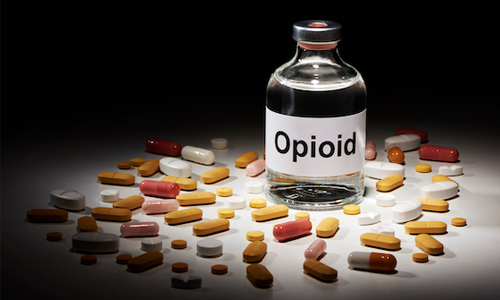
Opioids are a type of drug mainly used to relieve pain. They work by attaching to specific receptors in the brain, spinal cord, and other body parts to reduce pain signals and create feelings of relaxation or happiness. This group includes both prescription medications like morphine, oxycodone, and hydrocodone, as well as illegal drugs like heroin.
When used properly under a doctor's guidance, opioids can effectively manage severe pain, such as pain from surgery or chronic conditions. However, they also have a high risk of addiction and dependency because they can change the brain's reward system, making people crave the drug. Long-term misuse can lead to Opioid Use Disorder (OUD) and other serious health problems.
What Is Opioid Abuse?

Opioid abuse happens when someone uses these medications in ways that aren’t prescribed or for reasons other than medical needs. This can mean taking more than the recommended dose, using someone else’s prescription, or taking the drug just for its high instead of for pain relief. While opioids are meant to help with pain, their addictive qualities can lead to misuse and addiction.
The real danger comes from how they can make the body and mind dependent on them. Regular misuse can lead to physical dependence, making it hard to stop without facing withdrawal symptoms.
For What Conditions Are Opioids Approved?
Opioids are potent pain relievers that are typically prescribed for managing moderate to severe pain. They are approved for treatment such as,
1. Post-Surgical Pain

After major surgeries, opioids can play a crucial role in managing pain during the recovery process, helping patients to heal more comfortably and engage in necessary rehabilitation.
2. Chronic Pain

Individuals dealing with chronic conditions, such as cancer or severe back pain, may be prescribed opioids to help manage persistent pain and improve their quality of life, especially when other treatments have not been effective.
3. Injury-Related Pain

For acute injuries like fractures or severe sprains, short-term opioid use may be necessary to provide relief and support the healing process, allowing patients to carry out daily activities more easily.
4. End-of-Life Care
Opioids are often used to ensure that patients nearing the end of life are as comfortable as possible, alleviating pain and enhancing their overall sense of well-being during this challenging time.
Though these medications are incredibly effective in treating pain, they must be used with caution to avoid the risk of abuse.
How Do Opioids Work?
Opioids work by connecting to specific receptors in the brain, spinal cord, and other parts of the body, which helps reduce the feeling of pain. When they attach to these receptors, they also trigger the release of dopamine, a chemical that creates feelings of pleasure and relaxation. This release of dopamine is what can make them addictive.
While they are effective for relieving pain, the way opioids influence the brain's reward system can cause feelings of euphoria, leading some people to misuse them. Over time, the brain may become dependent on opioids, requiring higher doses to feel the same effects, which can lead to addiction.
What Are the Side Effects of Opioids?
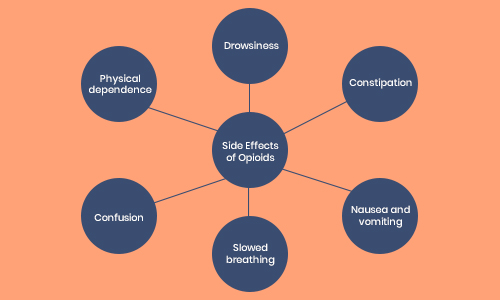
While opioids can effectively manage pain, they come with a range of side effects that can vary depending on the dosage and individual. Common side effects include,
1. Drowsiness
Opioids can make you feel extremely sleepy and fatigued, which can significantly impact your ability to perform everyday tasks, like working, driving, or engaging in social activities. This sedation can pose safety risks, particularly in situations requiring alertness.
2. Constipation
One of the most common side effects of opioids is constipation. By slowing down the digestive system, opioids can lead to infrequent bowel movements and discomfort, often requiring dietary changes or additional medications to manage.
3. Nausea and vomiting
Many individuals experience nausea, especially when they first start taking opioids. This feeling of sickness can be bothersome and may deter some people from continuing their medication.
4. Slowed breathing
Opioids can depress the respiratory system, leading to slower and shallower breathing. In high doses, this effect can be life-threatening, as it may result in respiratory failure, which requires immediate medical attention.
5. Confusion
Some users may experience mental cloudiness or confusion while taking opioids. This can make it difficult to think clearly, concentrate, or make sound decisions, impacting daily life and responsibilities.
6. Physical dependence
With prolonged use, the body can develop a physical dependence on opioids. This means that over time, the body may require the drug to function normally, and stopping suddenly can lead to withdrawal symptoms, making it challenging to discontinue use safely.
In What Form Are Opioids Available?
- Tablets or Capsules
- Liquids
- Patches
- Injections
- Lozenges
Types of Opioids
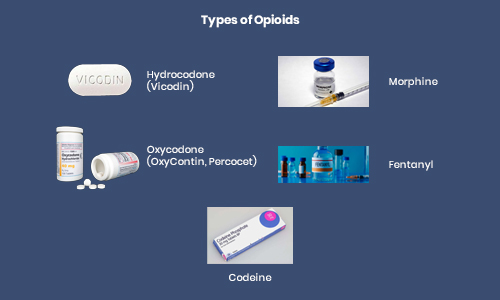
There are many types of opioids, each with specific uses and strengths. These medications play a crucial role in pain management for various medical conditions but also carry risks of misuse and dependency. Understanding the different types is essential for safe and effective treatment.
1. Hydrocodone (Vicodin)
This opioid is commonly prescribed for moderate to severe pain, especially after surgeries or injuries. Often combined with acetaminophen, hydrocodone enhances pain relief while minimizing the dose of the opioid itself.
2. Oxycodone (OxyContin, Percocet)
Oxycodone is frequently used for both short-term and chronic pain management. OxyContin is designed as a time-release formulation, providing extended relief for patients with ongoing pain, while Percocet combines oxycodone with acetaminophen for quicker, more immediate pain control.
3. Morphine
Known for being one of the most potent opioids available, morphine is often utilized in hospital settings for severe pain management, such as in cancer patients or after major surgeries. It can be administered in various ways, including orally, via injection, or through a patient-controlled analgesia (PCA) system, allowing patients to manage their pain levels.
4. Fentanyl
This synthetic opioid is incredibly potent, being 50 to 100 times stronger than morphine. Fentanyl is often used in specialized medical settings for severe pain and is available in various forms, including patches and solid dosages, making it practical for both chronic and acute pain relief. Due to its potency, it also carries a significant risk of overdose if not used carefully.
5. Codeine
A milder opioid, codeine is commonly prescribed for treating mild to moderate pain and is also effective in suppressing coughs. It is often found in combination with other medications, such as acetaminophen or guaifenesin, to enhance its therapeutic effects while minimizing potential side effects.
What Makes Opioids Addictive?

Opioids are addictive because they trigger the brain's reward system, causing a release of large amounts of dopamine. This produces feelings of happiness or euphoria that can feel very enjoyable. Over time, the brain depends on this outside stimulation and needs larger doses for the same effects. This results in tolerance, where the body requires more of the drug to feel its impact, eventually leading to dependence and addiction.
How to Prevent Opioid Abuse?
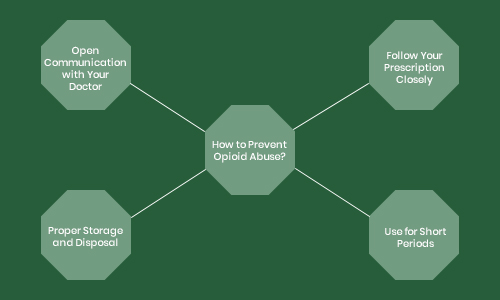
Preventing opioid abuse is essential for safeguarding individuals and communities from the risks associated with these powerful medications. By implementing effective strategies and promoting education, we can ensure opioids are used safely and responsibly.
1. Follow Your Prescription Closely
Always take the exact dosage prescribed by your healthcare provider. Never take more, even if your pain is severe. Opioid medications are carefully prescribed based on your individual needs, and exceeding the recommended dose increases the risk of overdose or addiction. If you feel your current dosage isn't managing your pain, talk to your doctor rather than adjusting it yourself.
2. Use for Short Periods
Opioids are most effective when used for short-term pain relief, such as after surgery or an injury. Prolonged use raises the risk of dependency. If your pain persists beyond the prescribed period, consult your healthcare provider about alternative pain management strategies, such as physical therapy or non-opioid medications.
3. Proper Storage and Disposal
Keep opioids in a secure place, away from anyone who might misuse them. Accidental use or intentional misuse by someone else can lead to serious problems. When you no longer need the medication, make sure to dispose of any unused opioids properly. Many pharmacies and hospitals offer safe disposal programs to prevent these drugs from getting into the wrong hands.
4. Open Communication with Your Doctor
Honest communication with your healthcare provider is key to managing opioid use safely. If you notice signs of dependency, such as feeling the need for higher doses or taking the medication outside the prescribed times, speak up. Your doctor can help by adjusting your treatment plan or offering other forms of pain relief. Regular check-ins with your doctor ensure that your medication use remains appropriate and safe.
By following these tips and being proactive in managing your opioid use, you can significantly reduce the risk of abuse while still benefiting from the pain relief they offer.
Symptoms of Opioid Poisoning
If you consume more opioids than prescribed, the consequences can be serious and even life-threatening. Here’s what can happen,
a. Slowed Breathing
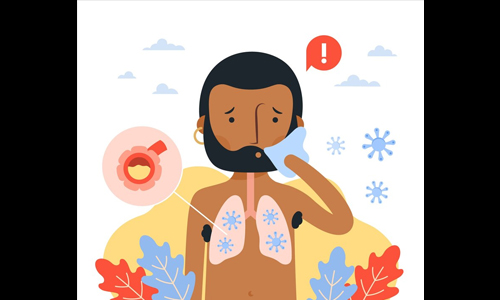
Opioids depress the respiratory system, and consuming too much can cause breathing to slow down or stop completely, leading to a lack of oxygen in the body.
b. Loss of Consciousness
Overdosing on opioids can cause you to become unresponsive or lose consciousness, making it difficult to call for help or receive treatment in time.
c. Severe Drowsiness or Confusion

Taking too much can cause extreme drowsiness, disorientation, or confusion, making it dangerous to engage in daily activities, such as driving.
d. Low Blood Pressure

An overdose can cause a significant drop in blood pressure, leading to dizziness, fainting, or shock.
e. Nausea and Vomiting

Excessive opioid consumption can upset your stomach, leading to vomiting, which can increase the risk of choking, especially if you're unconscious.
f. Pinpoint Pupils

One sign of opioid overdose is pinpoint pupils, which become very small due to the drug's effects on the nervous system.
g. Cardiac Arrest

In extreme cases, an opioid overdose can lead to heart failure or cardiac arrest, which can be fatal without immediate medical intervention.
h, Coma
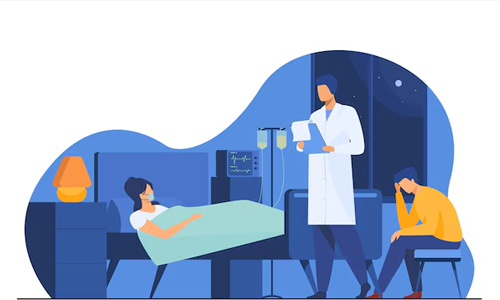
If untreated, an opioid overdose can progress into a coma, where the person is unresponsive and their vital signs deteriorate rapidly.
i. Death
Without timely intervention, opioid overdose can result in death, primarily due to respiratory failure.
j. Addiction
Regularly consuming more opioids than prescribed increases the risk of developing a dependency or addiction, making it harder to stop using them.
If you suspect an opioid overdose or have taken more than the prescribed amount, seek emergency medical help immediately by calling emergency services. Medications like Naloxone (Narcan) can reverse the effects of an overdose if administered in time.
Does Every Person Who Receives an Opioid Prescription Develop an Addiction?
Not everyone who gets a prescription for opioids will become addicted. Whether someone becomes addicted depends on various factors, such as genetics, how long they use the drug, the dosage, and their past experiences with substance abuse. However, anyone using opioids is at risk of developing dependence or addiction, so healthcare professionals need to manage and monitor their use carefully.
Opioids can be effective for treating severe pain when used responsibly. However, there are real risks of misuse and addiction. By learning how opioids work, their side effects, and how to prevent abuse, people can use these medications safely with help from a healthcare professional. If you or someone you know is having trouble with opioid use, it's important to get help early to avoid serious long-term issues.