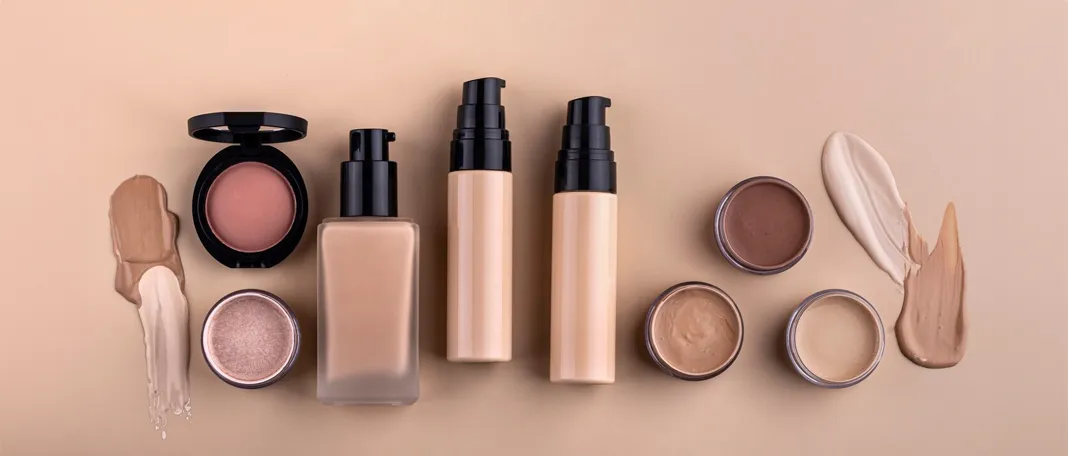
We all love the feeling of fresh skincare, a good lipstick, or that perfect serum that promises glowing skin. But behind the pretty packaging and fancy claims, some products may contain ingredients that silently damage your skin or health over time.
That’s why understanding the chemicals to avoid in cosmetics is more important than ever. Many of these ingredients are still widely used, either because they’re inexpensive, long-lasting, or fast-acting — but not all of them are safe.
This isn’t about fear—it’s about awareness. Most consumers don’t realize what they apply every day: from lotions and shampoos to cleansers, deodorants, and even baby products. The good news? Once you know what to look for, avoiding harmful chemicals becomes easy and empowering.
Let’s break down the five chemicals you should absolutely avoid in cosmetics and why they’re harmful.
1. Parabens
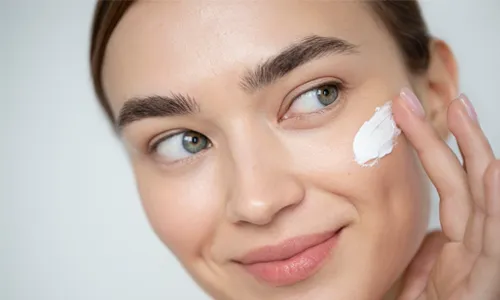
Have you ever scanned an ingredient list and spotted names like methylparaben, propylparaben, or butylparaben? Those are parabens. They are commonly used as preservatives to prevent bacterial growth.
Why Parabens are Harmful?
Parabens can mimic estrogen in the body, which may interfere with hormonal balance. Some studies have detected parabens in breast cancer tissue, raising concerns about long-term exposure.
Where They’re Found?
Moisturizers, foundations, shampoos, body lotions, deodorants, and even face washes.
What to Look for on Labels?
Anything that ends with “-paraben.”
2. Phthalates
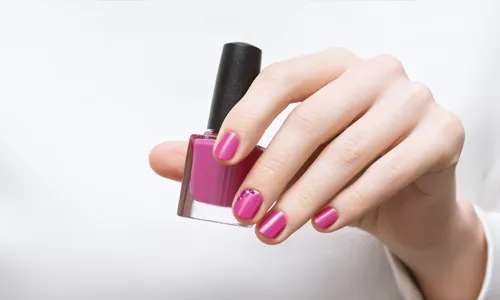
Phthalates make products flexible, long-lasting, and better-smelling. They are often hidden under the term “fragrance” on labels.
Why Phthalates are Harmful?
Phthalates are known endocrine disruptors. They can interfere with reproductive hormones, potentially affecting fertility and fetal development. Some types, like DEHP and DBP, are restricted in many countries due to their risks.
Where They’re Found
Perfumes, nail polish, deodorants, lotions, and products with strong synthetic scents.
What to Look for on Labels?
DBP, DEP, DEHP, or generic “fragrance” or “parfum.”
3. Formaldehyde & Formaldehyde-Releasing Agents
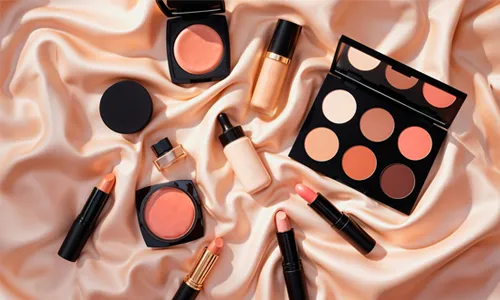
You would never knowingly apply formaldehyde directly on your skin — but you might be using it without realizing. Some cosmetic products release small amounts of formaldehyde over time to prevent bacterial growth.
Why Formaldehyde is Harmful?
Formaldehyde is a known carcinogen. It can cause skin allergies, irritation, and respiratory problems. Long-term exposure may increase cancer risk.
Where They’re Found?
Hair straightening treatments, nail polishes, liquid soaps, shampoos, and baby products.
What to Look for on Labels?
Avoid ingredients like DMDM hydantoin, quaternium-15, imidazolidinyl urea, diazolidinyl urea, and bronopol — these release formaldehyde gradually.
4. Sodium Lauryl Sulfate (SLS) & Sodium Laureth Sulfate (SLES)
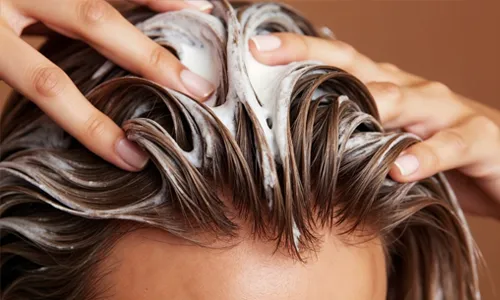
These foaming agents make shampoos, cleansers, and toothpastes lather beautifully. But the bubbly experience comes with a cost.
Why SLS/SLES are Harmful?
SLS is a skin irritant and can strip your skin’s natural oils, causing dryness, flakiness, or sensitivity. SLES, though milder, may be contaminated with 1,4-dioxane, a possible carcinogen.
Where They’re Found?
Face washes, shampoos, body washes, soaps, and even toothpaste.
What to Look for on Labels?
SLS, SLES, ALS, or anything with “sulfate.”
5. Oxybenzone
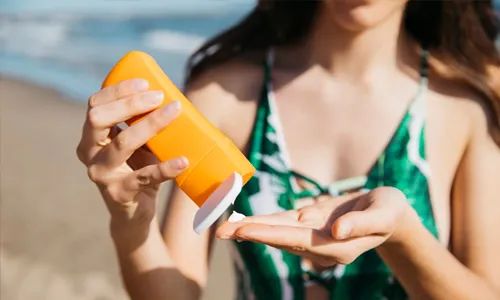
If you use sunscreen (and you should!), you’ve likely seen oxybenzone listed in older formulas.
Why Oxybenzone is Harmful?
Oxybenzone is absorbed through the skin and may disrupt hormones. It’s also linked to allergic reactions and environmental damage — especially coral reef bleaching.
Where It’s Found?
Sunscreens, tinted moisturizers with SPF, and some lip balms.
What to Look for on Labels?
Oxybenzone, benzophenone-3, or BP-3.
How to Protect Yourself When Shopping for Beauty Products
Here are simple ways to avoid harmful chemicals without feeling overwhelmed:
- Read labels — even the ones on “organic” products
- Get familiar with alternative names
- Choose “fragrance-free” over “unscented”
- Opt for mineral sunscreens
- Patch test everything
- Use trusted apps or databases
Frequently Asked Questions
Why should I avoid chemicals in cosmetics?
Some cosmetic chemicals disrupt hormones, cause skin irritation, or increase long-term health risks, especially with daily exposure.
Are natural cosmetics always safer?
Not always. Some natural ingredients irritate skin. Choose products free of harmful chemicals and always patch-test.
How do I check if a product is safe?
Read labels, avoid the five major chemicals listed, and use rating apps like EWG or ThinkDirty.
Are parabens always harmful?
Not in small amounts, but long-term exposure may affect hormones. Choosing paraben-free is safer.
Is fragrance in cosmetics dangerous?
“Fragrance” can hide multiple chemicals, including phthalates. Opt for fragrance-free.
Are sulfates bad for sensitive skin?
Yes. SLS and SLES can irritate sensitive or dry skin and strip natural moisture.
What’s the safest sunscreen ingredient?
Zinc oxide is considered the safest broad-spectrum sunscreen ingredient.
Cosmetics aren’t just makeup—they include everything from your shampoo to your deodorant, lip balm, sunscreen, and moisturizer. Using multiple products daily increases cumulative exposure to chemicals that may harm your health over time.
By understanding the chemicals to avoid in cosmetics, you’re protecting your skin, hormones, immunity, and long-term well-being. Small changes, like switching to sulfate-free shampoos or paraben-free lotions, add up quickly.
When you choose clean ingredients, your skin thanks you with fewer breakouts, reduced irritation, and a healthier glow.