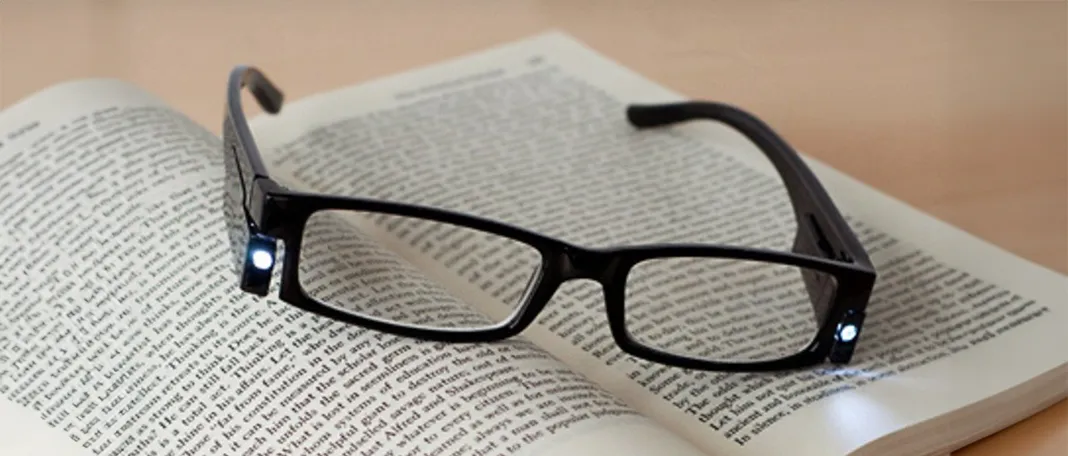
There’s a quiet moment that many people notice for the first time. The phone drifts a little farther away, menus seem dimmer, and small print suddenly feels like a puzzle. Vision changes rarely arrive with fanfare, but they do leave clues. Recognizing the Signs you Need Reading Glasses early can prevent eye strain, headaches, and unnecessary frustration while helping you maintain comfortable, clear vision every day.
Why Vision Changes Happen
As we age, the lens inside the eye gradually loses flexibility, making it harder to focus on close objects. This natural process, called presbyopia, often begins in the early to mid-40s but can appear sooner for some people.
The change is normal, but ignoring it can make everyday tasks unnecessarily tiring.
1. Blurry Vision When Reading
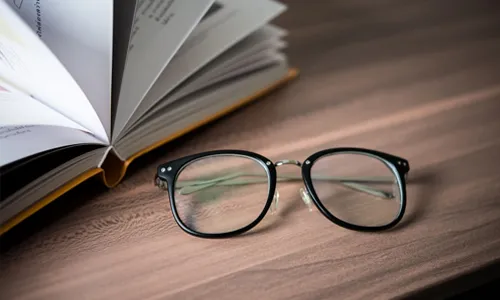
One of the earliest signs is difficulty focusing on small text. Words may appear slightly fuzzy, especially in low lighting, and you might find yourself rereading lines more often.
2. Holding Text Farther Away
If your arms seem to be “getting shorter,” you’re not imagining it. Moving books, labels, or your phone farther away is a classic sign your eyes need extra focusing help.
3. Frequent Eye Strain Or Fatigue
Reading for even short periods may leave your eyes feeling tired, sore, or heavy. This happens because your eye muscles are working harder to maintain focus.
4. Headaches After Close Work

Persistent headaches after reading, screen time, or detailed tasks often signal that your eyes are under strain and compensating for reduced near vision.
5. Difficulty Reading In Dim Light
You may notice you need brighter lighting than before to read comfortably. Reduced contrast sensitivity often accompanies near-vision changes.
6. Squinting To See Clearly
Squinting temporarily improves focus by reducing the amount of light entering the eye, but doing it often suggests your eyes need proper correction.
When Should You Get Your Eyes Checked?
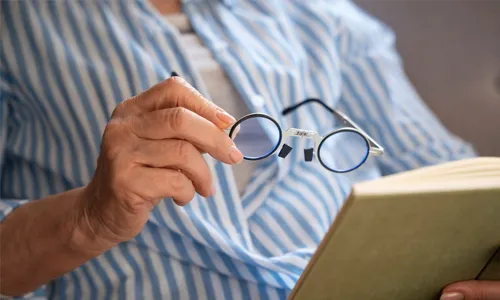
If you notice any of these signs consistently, it’s a good idea to schedule an eye exam. Early correction not only improves clarity but also reduces strain and improves productivity and comfort.
Seek professional advice sooner if you experience:
- Sudden vision changes
- Double vision
- Persistent headaches
- Eye pain
How Reading Glasses Help

Reading glasses compensate for the reduced flexibility of the eye’s lens, allowing light to focus properly on the retina. The result is clearer near vision, less strain, and a more comfortable reading experience.
Many people notice immediate relief once they start using the correct prescription.
Tips To Protect Your Eye Health

- Take regular screen breaks using the 20-20-20 rule
- Use proper lighting when reading
- Keep screens at eye level and comfortable distance
- Eat nutrient-rich foods that support eye health
- Schedule routine eye exams
FAQs
At what age do most people need reading glasses?
Most people start noticing symptoms in their 40s, though it can vary depending on eye health and lifestyle.
Can eye exercises prevent needing reading glasses?
Exercises may reduce strain but cannot reverse presbyopia. Corrective lenses remain the most effective solution.
Is it okay to buy over-the-counter reading glasses?
They can work for mild vision changes, but an eye exam ensures the correct strength and detects underlying issues.
Do reading glasses make your eyes weaker?
No. They simply correct vision and reduce strain; they don’t worsen eyesight.
The Signs you Need Reading Glasses are usually subtle at first but become more noticeable over time. Paying attention to these signals and addressing them early can make daily tasks easier, reduce strain, and help you maintain clear, comfortable vision for years to come.