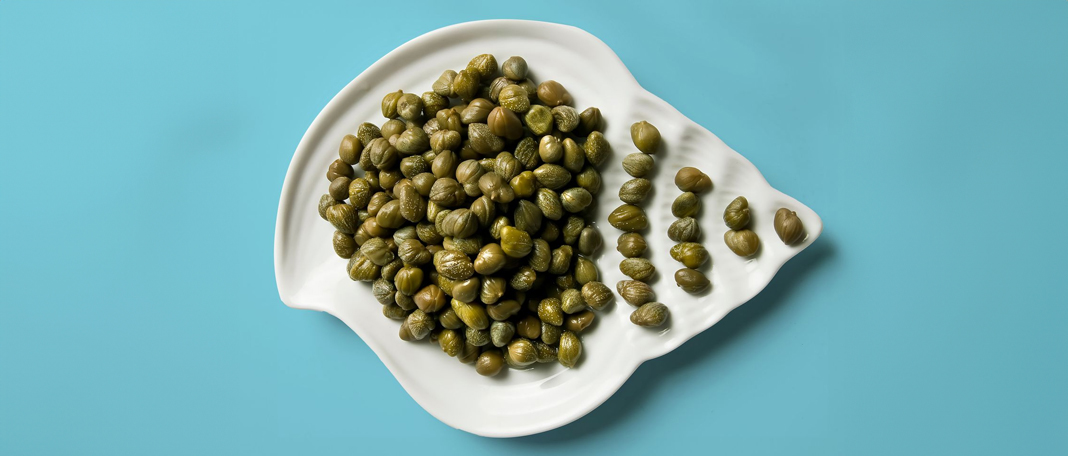
If you've ever dined in a Mediterranean restaurant, you might have encountered small, green, briny buds on top of a juicy steak or nestled in a jar of tartar sauce. Those tiny treasures are capers, and they're more than just a garnish—they've been a powerhouse of flavor and nutrition for centuries. Let's embark on a flavorful journey to discover what are capers and why they deserve a prominent spot in your pantry and on your plate.
What Are Capers? Beyond the Pickle Jar
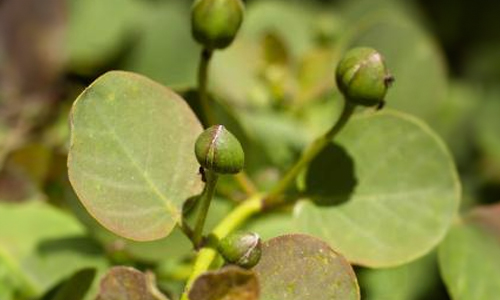
Capers are the unopened, immature flower buds of the Capparis spinosa plant, a hardy and spiny shrub native to the Mediterranean region. These buds are handpicked before they bloom, then dried and pickled in vinegar, brine, or salt, resulting in their distinctive tangy and salty flavor. But beyond the pickle jar, it offer a world of culinary possibilities in dishes like pasta puttanesca, chicken piccata, and tapenade. There are different sizes and types of capers, with “nonpareil” being the most prized for its delicate texture and flavor.
What Do Capers Taste Like
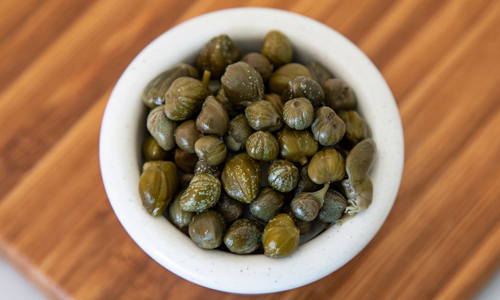
It have a distinct taste that combines several flavor notes. Here’s a breakdown of their flavor profile:
- Salty: It is often cured in brine or packed in salt, giving it a pronounced salty flavor that enhances and balances other ingredients in a dish.
- Tangy: They have a tangy, slightly acidic quality due to the pickling process, which adds a zesty punch to recipes.
- Pungent: There's a mild spice or sharpness to capers, which can be reminiscent of mustard seeds or green olives.
- Earthy: Some capers also have an earthy undertone, which complements their other flavors and adds depth to their taste.
Overall, capers are known for their ability to add a burst of flavor to dishes, making them a popular choice in several cuisines and beyond.
Caper Culture: Global Perspectives and Traditions
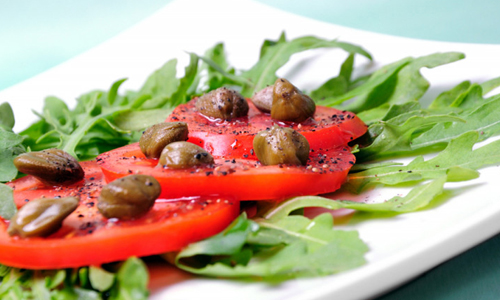
Capers have a rich history that spans centuries and cultures. They’ve been used for centuries in Mediterranean cuisine. In Italy, capers are a staple in dishes like pasta puttanesca. In Morocco, they might be found in flavorful tagines. These tiny buds have traveled far and wide, and their unique taste is celebrated in many cultures. Exploring these international dishes can give you a fresh perspective on how capers are used around the globe.
Health Benefits of Capers: They Pack a Punch
Don’t be fooled by their small size; beyond their culinary appeal, capers pack a nutritional punch. Here’s why these tiny buds are a big deal for your health:
1. Rich in Antioxidants

Capers are loaded with antioxidants, particularly flavonoids like rutin and quercetin. These help protect your cells from damage caused by free radicals, reducing the risk of chronic diseases and promoting overall health.
2. Anti-Inflammatory Properties

They also possess anti-inflammatory properties. Regular consumption of capers can help reduce inflammation in the body, which is beneficial for conditions like arthritis and other inflammatory diseases.
3. Heart Health

Capers are a good source of fiber and contain compounds that may help improve heart health. The rutin in capers has been shown to strengthen capillaries and improve blood flow, potentially reducing the risk of cardiovascular diseases.
4. Aid in Digestion

Capers have been used traditionally to enhance digestion. Their high fiber content helps promote healthy digestion and prevent constipation. Additionally, their tangy flavor can stimulate the production of digestive enzymes, aiding in the digestive process.
5. Low in Calories

If you're watching your weight, capers are a great addition to your diet. They are low in calories, making them a flavorful way to add depth to your meals without adding extra calories.
6. Good Source of Vitamins and Minerals

Capers are a modest source of essential vitamins and minerals, including vitamin K, vitamin A, and iron. Vitamin K is crucial for blood clotting and bone health, while iron is necessary for oxygen transport in the blood.
How to Use Capers in Your Diet

Incorporating capers into your diet is easier than you might think. Here are some delicious ways to enjoy them:
- Salads: Toss a handful of capers into your salads for a tangy twist.
- Pasta: Add capers to pasta dishes like puttanesca for an extra burst of flavor.
- Seafood: Sprinkle capers over grilled fish or mix them into seafood sauces.
- Sauces and Dressings: Blend capers into sauces and dressings to elevate your dishes.
- Tapenade: Make a classic Mediterranean tapenade with capers, olives, and anchovies.
Capers Beyond the Plate: Beauty and Wellness

Who knew that capers could be more than just a culinary delight? These tiny buds have found their way into the world of beauty and wellness.
- Skincare: Some skincare products incorporate caper extract due to its potential antioxidant and anti-inflammatory properties.
- Traditional Medicine: Capers have been used in traditional medicine for centuries to treat various ailments.
However, more scientific research is needed to confirm these claims.
How to Grow Capers at Home: From Seed to Plate
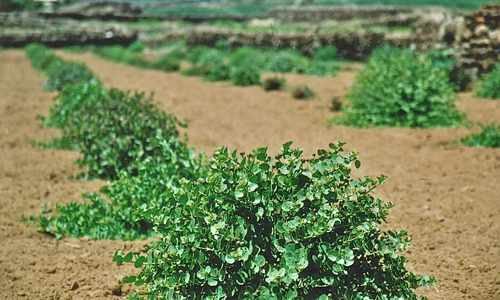
Dreaming of fresh, homegrown capers? With the right climate and care, you can cultivate these flavorful buds in your backyard. Capers thrive in warm, sunny climates with well-draining soil. While they can be grown from seed, it's often easier to start with young plants.
- Planting and Care: Choose a location with plenty of sunlight and prepare the soil with compost or organic matter. Space your plants about 1-2 feet apart. Regular watering is essential, especially during dry periods.
- Pruning: Regular pruning encourages bushy growth and increased flower production.
- Harvesting: Capers are typically harvested in the morning when the buds are tight. Pickle them immediately to preserve their flavor.
DIY Capers: Making Your Own at Home
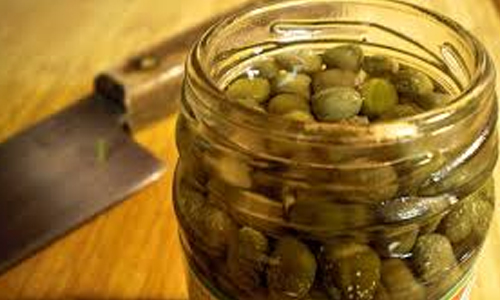
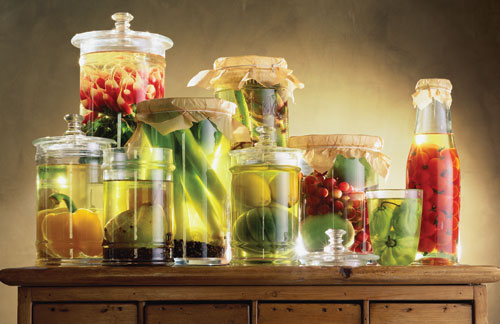
Ever thought about curing your capers? It’s a fun project that’s easier than you might think. You’ll need fresh caper buds, salt, and vinegar or brine. The process involves salting the buds, letting them dry, and then packing them in a jar with vinegar or brine. With a bit of patience (and a few weeks of curing), you’ll have homemade capers ready to spice up your dishes.
Sustainability and Ethical Considerations
As consumers become increasingly conscious of their environmental impact, choosing sustainable products is more important than ever.
- Organic Cultivation: Look for capers that are certified organic or ethically sourced to support sustainable practices.
- Reduced Packaging: Buy capers packaged in glass jars or recyclable containers to minimize waste.
- Supporting Local Producers: Buying capers from local farmers helps reduce carbon emissions associated with transportation.
The caper industry is taking steps towards sustainability by adopting eco-friendly practices. By making informed choices, you’re not only enjoying a delicious ingredient but also contributing to better environmental practices.
Curious Facts About Capers
- Capers vs. Caperberries: While capers are the immature flower buds, caperberries are the fruit of the caper bush. Caperberries are larger and often pickled, with a similar but milder taste than capers.
- Harvesting Capers: Harvesting capers is a labor-intensive process. The tiny buds are handpicked, often in the early morning hours to ensure the best quality.
- Historical Use: Capers were mentioned in the Bible and ancient texts, highlighting their long-standing culinary and medicinal significance.

Capers: The End of the Story
So, what are capers? These small buds are packed with a powerful punch when it comes to flavor and health benefits. From their humble beginnings as wild plants to their status as a gourmet ingredient, capers have come a long way. So next time you come across these little green gems, don't just pass them by—embrace the opportunity to enhance your meals and boost your health.
Thanks for joining us on this flavorful journey! We hope you’re now inspired to explore the many ways capers can enhance your cooking. Happy experimenting!
Have you tried capers before? Share your favorite ways to use them.