
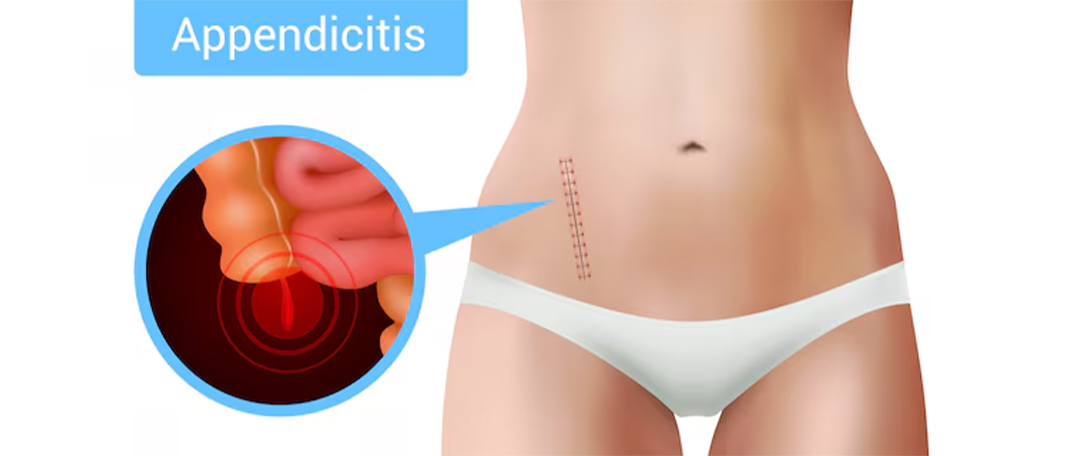
Abdominal pain can be tricky. One moment, it’s just a dull ache; the next, it feels like a stabbing pain that refuses to go away. But when should you take it seriously? Signs you might be suffering from appendicitis aren’t always obvious at first, but recognizing them early can make all the difference. One of the most commonly overlooked yet urgent causes of stomach pain is appendicitis. This condition can escalate quickly, and knowing the warning signs can help prevent a dangerous situation. So, if you’ve been feeling an unusual pain in your lower right abdomen, this guide will walk you through the signs, risk factors, and what happens if appendicitis is left untreated.
How Common Is Appendicitis?

Appendicitis is more common than you might think. In fact, about 5-7% of people will experience appendicitis at some point in their lives. It typically occurs between the ages of 10 and 30, but it can happen at any age. Men are slightly more at risk than women, and while it may not be as frequent as the common cold, it remains one of the leading causes of emergency abdominal surgeries worldwide.
While appendicitis is a well-known condition, it is often mistaken for other digestive issues, leading to delayed treatment. The key to managing it effectively is recognizing the signs early.
The Signs That You Are Having Appendicitis
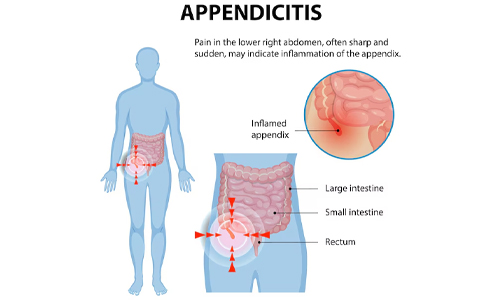
Appendicitis symptoms can sometimes mimic other digestive problems, but certain telltale signs indicate a problem that shouldn’t be ignored.
- Persistent Pain in the Lower Right Abdomen – The most classic symptom is a gradual pain that starts around the belly button and then shifts to the lower right side of the abdomen. It usually worsens over time.
- Loss of Appetite – A sudden loss of interest in food can be an early warning sign.
- Nausea and Vomiting – Some people experience nausea or even vomiting, especially as the pain intensifies.
- Low-Grade Fever – A mild fever that gradually increases could indicate inflammation.
- Swelling or Tenderness in the Abdomen – Pressing on the affected area may cause discomfort.
- Changes in Bowel Habits – Some people may experience diarrhea or constipation along with abdominal pain.
While not all cases follow the textbook symptoms, severe and persistent abdominal pain that worsens over time should never be ignored.
Stages of Appendicitis: What’s Happening Inside?
Appendicitis doesn’t hit full force right away—it develops in stages,
- Inflammation Stage - You feel a mild ache near your belly button. Nothing too alarming yet.
- Pus Formation - The pain moves to your lower right abdomen and gets sharper.
- Gangrene Stage - The appendix is starving for blood, and the tissue starts to die.
- Rupture (Worst Case Scenario) - The appendix bursts, spreading bacteria inside your abdomen—a serious medical emergency.
This whole process can take anywhere from 24-72 hours, so acting fast can make all the difference.
Appendicitis vs. Other Abdominal Pain
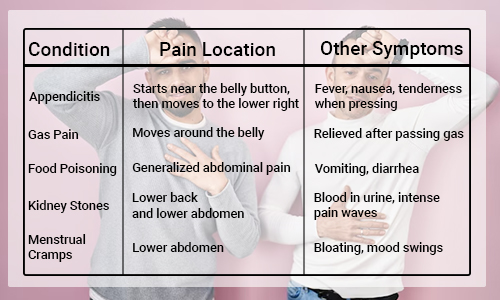
If your pain keeps getting worse and doesn’t improve with gas relief or hydration, don’t ignore it.
Can Appendicitis Happen More Than Once?
In most cases, appendicitis is a one-time event because the standard treatment involves removing the inflamed appendix through a procedure called an appendectomy. Since the appendix is no longer present, there is no chance of a second occurrence. However, in rare cases, some individuals who have undergone a partial appendectomy (where only a portion of the appendix is removed) may still be at risk of experiencing another episode of inflammation in the remaining tissue.
Recurrent Appendicitis: A Rare Possibility
Although uncommon, recurrent appendicitis can happen when a small portion of the appendix is left behind during surgery and later becomes inflamed. This condition is called stump appendicitis and can cause symptoms similar to the initial case of appendicitis, including abdominal pain, fever, and nausea.
Signs of Recurrent Appendicitis
If you’ve had an appendectomy but still experience:
- Persistent pain in the lower right abdomen
- Fever and chills
- Nausea or vomiting
- Bloating and loss of appetite
It’s important to seek medical attention immediately, as stump appendicitis requires prompt treatment, often through surgery.
How Long Does It Take To Recover from an Appendectomy?

Recovery time depends on the type of surgery you undergo. If you had a laparoscopic appendectomy (a minimally invasive procedure), you can usually return to light activities within a week and resume normal routines in about two to four weeks. However, if you had open surgery, which is required for a ruptured appendix, recovery can take four to six weeks or longer due to the larger incision and additional healing time needed.
- Avoid heavy lifting or strenuous activities for at least four to six weeks (or longer if the appendix ruptured).
- Take pain medications as prescribed to manage discomfort.
- Keep the incision site clean to prevent infections.
- Gradually reintroduce physical activities once cleared by your doctor.
Fatigue and mild discomfort are normal after surgery, but if you notice worsening pain, swelling, fever, or redness around the incision, consult your doctor immediately.
What Foods Should You Avoid If You Suspect Appendicitis?
If you think you might have appendicitis, certain foods can worsen your symptoms by increasing inflammation or causing digestive discomfort. While food itself doesn’t cause appendicitis, eating the wrong things can make your abdominal pain and bloating worse.
Foods to avoid if you suspect appendicitis:
- Spicy Foods – Can irritate the digestive system and cause more discomfort.
- Greasy & Fried Foods – Harder to digest and can lead to bloating.
- Processed Foods – Are often high in preservatives and additives that can increase inflammation.
- High-Fiber Foods – While fiber is usually great for digestion, in this case, it can worsen bloating and cramping if there’s a blockage.
- Dairy Products – Some people experience gas and bloating after consuming dairy, which can make appendicitis symptoms feel worse.
- Sugary Drinks & Sodas – Can increase bloating and discomfort due to carbonation.
Instead, if you're unsure about what's causing your abdominal pain, opt for easily digestible foods like broths, boiled rice, plain toast, and herbal teas until you see a doctor.
Does Everyone Feel Pain in the Same Spot with Appendicitis?
No! While classic appendicitis pain is described as starting around the belly button and moving to the lower right side of the abdomen, the exact location can vary from person to person.
Factors that influence where you feel pain include:
- Age - Children often struggle to pinpoint the pain, while adults can usually describe it more clearly.
- Pregnancy - In pregnant women, the appendix shifts higher up due to the growing uterus, so the pain might be felt in the upper abdomen instead of the lower right side.
- Appendix Position - Some people have a retrocecal appendix (positioned behind the colon), which can cause back pain instead of front abdominal pain.
- Pain Tolerance - Some individuals may feel severe sharp pain, while others experience a dull, spreading ache that gradually worsens.
That’s why self-diagnosing appendicitis based on pain location alone isn’t reliable. If you have unexplained persistent abdominal pain, nausea, or fever, don’t wait—seek medical attention immediately.
Appendicitis can start as mild discomfort but quickly turn serious. Recovery from an appendectomy is usually quick with proper rest and care. While appendicitis isn’t always preventable, knowing the signs and acting fast can make all the difference. When it comes to your health, it’s always better to be safe than sorry.