Hello, friend! I see you’re here because of those veins. Here, you’ll find simple yet effective tips to prevent varicose veins and helpful advice to manage them. Whether you’re looking for yourself or you’ve been asked for suggestions by someone you care about, this guide has you covered. Let’s get into it and make varicose veins a little less troublesome.
What are Varicose Veins?
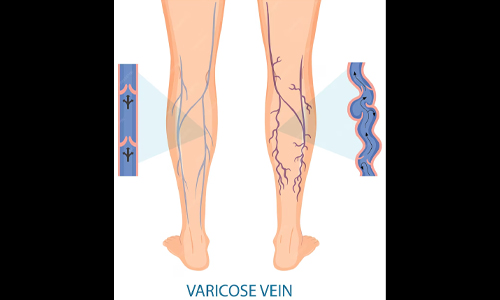
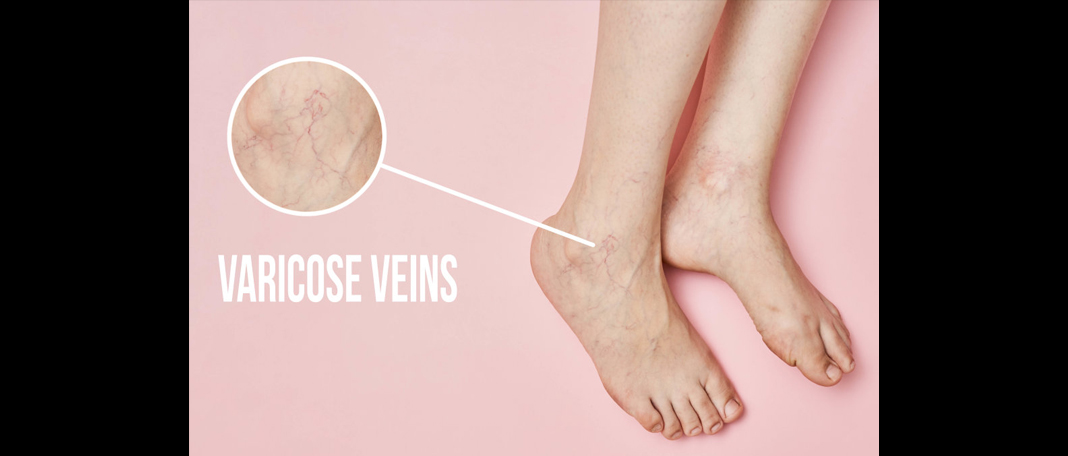
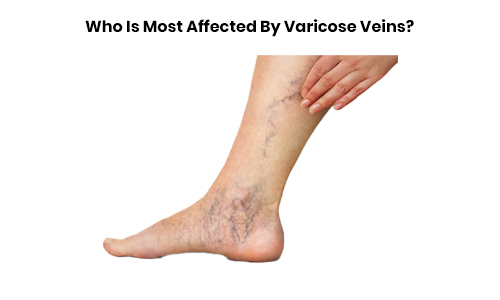
Varicose veins are enlarged, twisted veins that commonly appear on the legs and feet. They develop when the tiny valves inside the veins don’t work as they should. Normally, these valves help keep blood flowing toward the heart, but when they weaken or become damaged, blood can pool in the veins, causing them to stretch and bulge.
These veins often appear as dark purple or blue lines just beneath the skin, and they can be raised, twisted, or even rope-like in shape. While varicose veins are generally considered a cosmetic issue, they can sometimes lead to discomfort, pain, and other symptoms like itching, swelling, or a heavy feeling in the legs. In some cases, if left untreated, they can cause more serious health issues. For those experiencing swelling in the legs, various home remedies can help reduce discomfort and improve circulation.
Who Is Most Affected By Varicose Veins?
1. Adults Over 50
The likelihood of developing varicose veins increases with age due to the natural wear and tear on vein valves.
2. Women
Hormonal fluctuations, especially during pregnancy and menopause, make women more prone to varicose veins than men.
3. Family History
Genetics play a significant role—if a parent or grandparent had varicose veins, your chances are higher.
4. Those with Sedentary Lifestyles
Prolonged sitting or standing without movement can lead to blood pooling, making veins work harder and weakening their structure over time.
5. Pregnant Individuals
The increased blood volume and pressure from a growing uterus during pregnancy put extra strain on veins.
Why Do Varicose Veins Develop? Key Causes Explained
Varicose veins don’t just appear out of nowhere. They result from a combination of structural issues within the veins, lifestyle factors, and sometimes genetic predisposition.
a. Weak or Malfunctioning Valves
Veins contain one-way valves that prevent blood from flowing backward. If these valves weaken, blood begins to pool, stretching the veins and causing them to bulge.
b. Increased Pressure in Veins
Jobs or activities that require standing for long periods can increase pressure within the veins, leading to varicose veins over time.
c. Hormonal Effects
Estrogen and progesterone fluctuations can affect vein elasticity, which is why women may experience varicose veins during times of hormonal change, such as pregnancy.
d. Obesity and Weight Pressure
Excess body weight increases pressure on the legs, which can affect the veins' ability to effectively push blood back to the heart.
Effective Home Remedies for Varicose Veins
Varicose veins might seem like a condition that needs medical treatment, but several home remedies can help reduce discomfort, boost circulation, and keep symptoms under control. Let’s dive into a few effective ways you can support vein health right from the comfort of your home.
1. Stay Active with Low-impact Exercises
| Why It Helps | Tip |
| Activities like walking, swimming, and cycling engage the calf muscles, which naturally help pump blood back toward the heart. The improved blood flow reduces pressure on veins. | Aim for 30 minutes of light exercise daily to enhance circulation and support vein health. |
2. Elevate Your Legs Whenever Possible
| Why It Helps | Tip |
| Elevating your legs reduces the pressure on veins by allowing gravity to assist in blood flow back to the heart. | Try to elevate your legs for about 15 minutes, three to four times a day, especially if you have a job that involves sitting or standing for long periods. |
3. Wear Compression Stockings
| Why It Helps | Tip |
| Compression stockings provide consistent pressure on the legs, which supports veins and helps keep blood moving, preventing pooling. | Speak with a healthcare provider about the right level of compression for your needs, as improper compression can be uncomfortable or even ineffective. |
4. Follow a Balanced, Low-Salt Diet
| Why It Helps | Tip |
| A diet low in salt reduces water retention, which decreases pressure on your veins. High-fiber foods also prevent constipation, a common factor that can increase vein pressure. | Include plenty of leafy greens, berries, and whole grains, and drink plenty of water to keep veins healthy. |
5. Try Gentle Massages
| Why It Helps | Tip |
| Massaging varicose-prone areas promotes circulation and can relieve swelling and discomfort. Avoid putting direct pressure on veins; instead, focus on upward strokes toward the heart. | Using essential oils like lavender or peppermint can add a soothing effect to the massage, but always mix essential oils with a carrier oil to avoid skin irritation. |
Medical Approaches to Get Rid of Varicose Veins
When home treatments aren’t sufficient, medical procedures can provide effective solutions. These treatments range from minimally invasive to surgical options, each designed to reduce discomfort and improve vein appearance.
1. Sclerotherapy
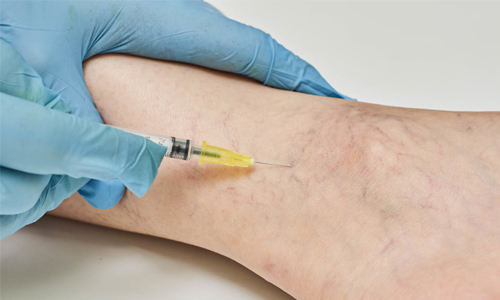
Description
A specially formulated solution is injected into the varicose vein, causing it to collapse and be reabsorbed by the body over time. This is particularly effective for smaller veins.
Recovery
Generally, no downtime is needed, though compression stockings are recommended for a few weeks post-treatment.
2. Laser Treatment
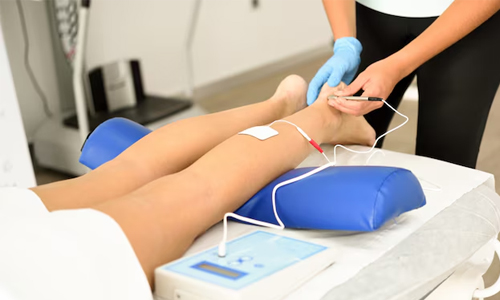
Description
Laser therapy uses strong bursts of light to close off small veins, causing them to fade. It’s ideal for small veins close to the skin’s surface.
Recovery
Most patients can resume normal activities immediately but may experience slight redness or swelling.
3. Endovenous Ablation Therapy
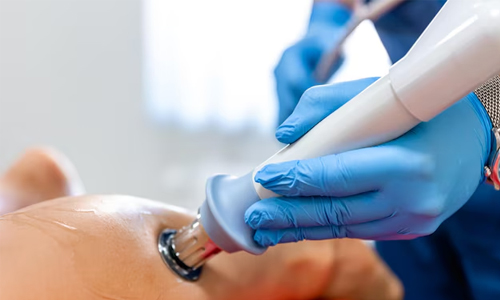
Description
This procedure heats and seals the varicose vein from the inside using radiofrequency or laser energy. A catheter is inserted, and the vein is essentially "shut down" and gradually absorbed by the body.
Recovery
Some bruising or tenderness is common, but many can return to work within a day or two.
4. Surgical Options: Vein Stripping and Ligation
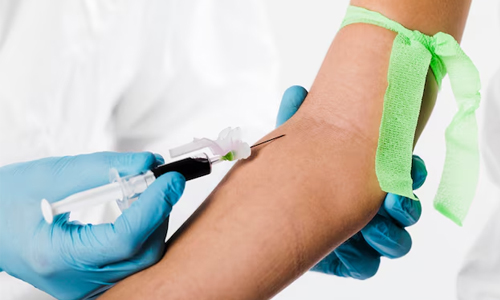
Description
In severe cases, a procedure called vein stripping may be performed to remove larger veins through small incisions. Ligation, or tying off veins, may also be done to prevent blood flow into damaged veins.
Recovery
This is generally reserved for large, painful veins and may require a few days of downtime.
5. Ambulatory Phlebectomy
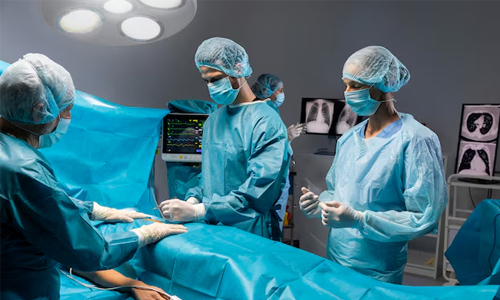
Description
This involves making tiny incisions to remove small sections of varicose veins near the skin's surface. The incisions are so small that stitches aren’t usually required.
Recovery
Patients can typically walk immediately post-procedure, making this an effective option for surface-level veins.
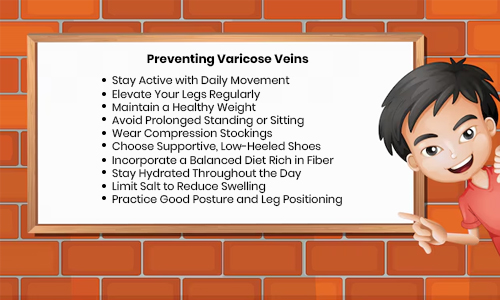
Preventing Varicose Veins: Simple Steps for Healthier Legs
Preventing varicose veins involves making small but impactful lifestyle changes that keep your veins strong and support good circulation.
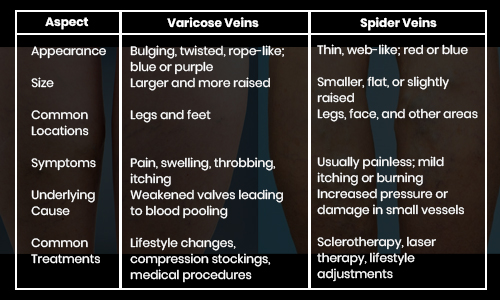
Varicose Veins Vs Spider Veins
FAQs for Home Remedies for Varicose Veins
Can varicose veins go away on their own?
No. Mild symptoms may improve, but visible veins usually require treatment or management over time.
Do compression stockings help varicose veins?
Yes. They improve blood flow, reduce swelling, and ease pain when worn properly.
Which exercises benefit varicose veins?
Walking, cycling, swimming, and calf raises help promote circulation and relieve vein pressure.
Does elevating your legs reduce varicose veins?
Yes. Raising legs above heart level several times a day helps drain excess blood and reduce swelling.
Any dietary tips for varicose veins?
Eat fiber, include flavonoid-rich foods (berries, citrus, leafy greens), stay hydrated, and limit salt intake.
Can losing weight improve varicose veins?
Yes. Reducing excess body weight decreases pressure on leg veins and may slow progression.
Are there risks with do-it-yourself remedies?
Potentially. Overly tight wraps, harsh topical treatments, or unverified herbs could worsen symptoms or cause side effects.
When should I see a doctor for varicose veins?
If you experience persistent pain, skin changes, ulcers, or bleeding, seek medical evaluation.
Hope you’re feeling a bit more at ease now. Remember, varicose veins are manageable, and there are plenty of options to help. From simple lifestyle tweaks to home remedies and medical treatments, you’ve got tools to make a real difference. Give these tips a go, and don’t hesitate to consult your doctor for extra support.