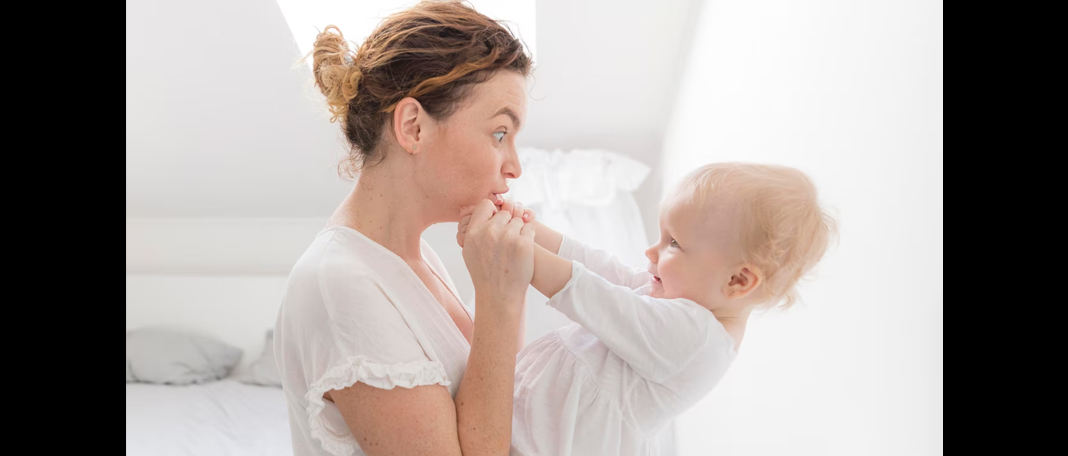

Have you ever felt that your baby is super sticky and clings to you all the time? Yes, reality hits when you learn about Velcro babies. A Velcro baby usually clings and prefers to be held by the mother, making a fuss when it is let down. Of course, the babies are dearly loved by their moms and there’s no doubt about that.
But sometimes, after going through several months of pregnancy, withstanding labor pain, and postpartum depression, the mothers' bodies constantly crave a peaceful sleep or a meaningful break. In such cases, a mom would need some hacks and tips to relax for a while, and at the same time, take care of her baby.
What Is a Velcro Baby?
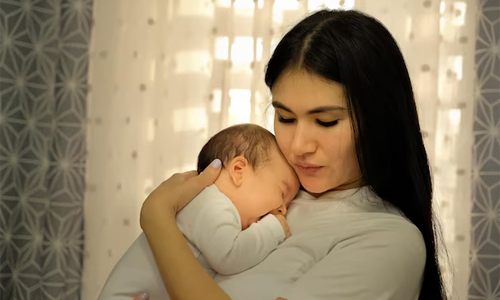
A "Velcro baby" is a term used to describe a baby who is unusually clingy and wants to be held constantly, much like how Velcro sticks together. This means the baby often fusses or cries when put down and prefers always to be close to its caregiver. This behavior is usually considered a sign of a strong attachment to its parent, but it can sometimes be challenging for parents due to the high need for physical contact.
Signs of a Velcro Baby

1. Crying When Put Down
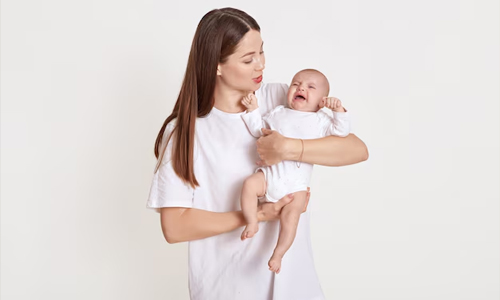
One of the common signs of a velcro baby is constantly crying and making a fuss when let down even after carrying them for a long period.
2. Distressed When a Parent Leaves
The baby may cry or become distressed when a parent leaves or goes out of sight. This strongly indicates that the baby is craving for attention.
3. Wanting to Be Held
It is usual for a baby to want to be held. But when it occurs often, it is a sign of a velcro baby.
4. Refusing to Be Put Down
The baby may grasp you tightly and refuse to be put down or walk on their own.
Potential Reasons for Velcro Behavior
1. Early Development Needs
This behavior is usual in the growing stages of a baby. Newborns often require a lot of physical closeness and comfort, especially during the initial months.
2. Environmental Factors
Stressful situations or changes in routine can make a baby more clingy and attached to the mother.
3. Temperament
Sometimes, it is common for some babies to have such clingy behaviors.
Managing a Velcro Baby
1. Babywearing
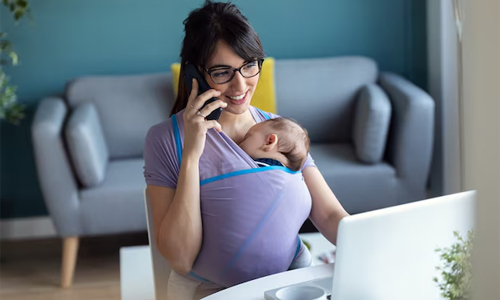
One of the handful ways is to use a baby carrier to give the baby the needed attention. I bet it also makes you feel less irritated, and the baby also gets the attention it needs.
It gives a secure attachment and a sensory experience, which can help soothe a clingy baby. Babywearing can stimulate the release of oxytocin, which can help strengthen the emotional connection between babies and their parents or caretakers.
2. Create a Structured Routine
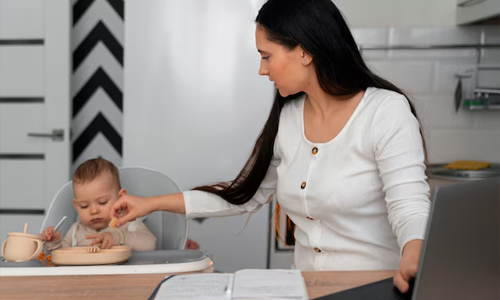
Establish a consistent routine that might help your baby to distinguish their time. Create predictable feeding, playtime, and sleep routines that will provide a sense of security and let the baby know that its mom will come back soon.
3. Ask for Help
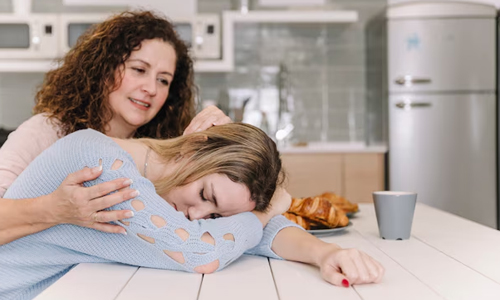
Make sure that you are not alone. Don’t hesitate to ask for help from your parent, spouse, or caretaker whenever needed, and discuss strategies to share their responsibility.
4. Clear Exit Clues
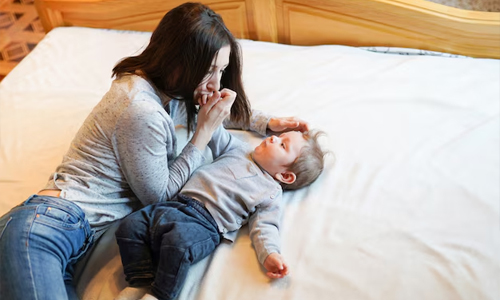
Develop a consistent signal, like a kiss, a specific phrase, or a cuddle, to let your baby know you are about to leave, giving them time to predict and adjust to the separation.
5. Start Slowly and Gradually Increase
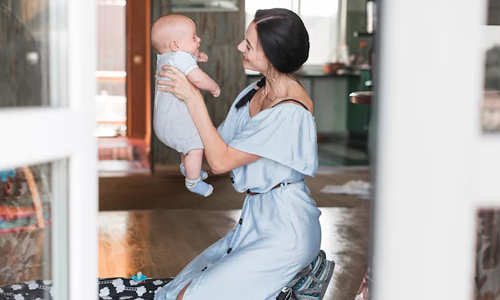
When it’s time to put your baby down for sleep, gently lay them in their crib or bassinet. Once they're settled, slowly back away while creating a calming environment, such as dimming the lights or playing soft music.
Gradually increase the distance over several days - start by standing close, then move a bit farther away each time.
This gradual approach helps your baby adjust to being alone for short periods, promoting a sense of security and independence. Consistency in this routine will make the transition easier for both of you.
6. Comfort Objects
You can also try to keep their favorite objects like a soft toy or blanket, close to them whenever you are not available as this will bring them a sense of comfort in the place of yourself.
Important Considerations to Keep In Mind
1. Don’t Feel Guilty
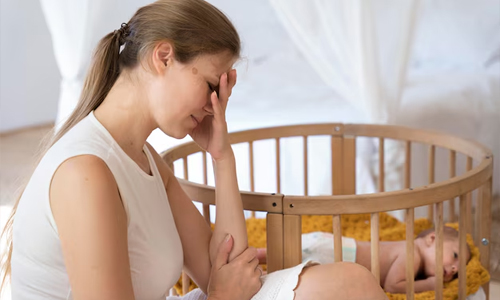
It is important to make sure that a “velcro baby” is not a result of poor parenting. It is a sign of a healthy relationship between a mom and her baby. Many babies simply have a strong need for close contact.
2. Self Care
Prioritize your self-care time for your own needs even if it is just a short break. This helps you to focus more on your health and also helps to cope with your baby.
3. Be Patient
It may take time for you to gradually increase the duration of separation periods, so be patient with your baby's progress.
4. Never Compare
One of the most important guidelines is to never compare your baby’s pattern with some other. Remember that each baby is different and has different patterns of attachment.
How Long Does the Velcro Baby Stage Last?
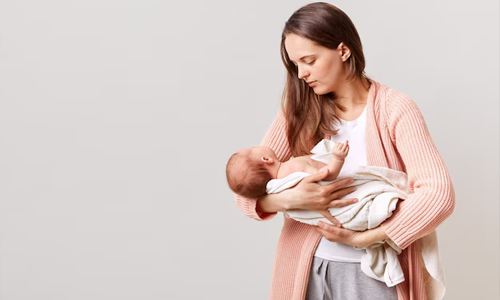
A velcro baby stage typically lasts from around 6 months to 2 years old as this coincides with the developmental phase of separation anxiety, where babies realize their caregiver is a separate entity and can become distressed when left alone; however, the duration can vary greatly depending on the individual baby and its development.
Frequently Asked Questions
What does a Velcro baby mean?
A Velcro baby is a term used to describe a baby who constantly wants to be held or stay close to a parent or caregiver. Like Velcro that sticks tightly, these babies may cry when put down, prefer contact naps, and seek frequent physical comfort. While it can be exhausting for parents, this behavior is usually a normal part of infant development and attachment.
How long does the Velcro baby stage last?
The Velcro baby stage varies from child to child. Many babies become especially clingy between 6 and 18 months, when separation anxiety typically develops. For most children, this phase gradually improves as they gain confidence, independence, and communication skills. Some babies may outgrow it within a few months, while others remain more attached well into toddlerhood.
What is a Velcro kid?
A Velcro kid is an older child who continues to seek constant reassurance and prefers staying close to a parent. Unlike a Velcro baby, a Velcro kid may follow their parent from room to room, struggle with independent play, or feel anxious when separated. This behavior is often linked to temperament, developmental stages, or significant life changes and usually becomes less intense with consistent support and encouragement.
How can you break the Velcro baby stage?
You can't completely "break" the Velcro baby stage, but you can gently encourage independence over time. Try offering short periods of independent play while staying nearby, establish predictable daily routines, respond calmly to separation anxiety, and gradually increase the time your baby spends exploring on their own. Babywearing can also help meet your baby's need for closeness while allowing you to stay hands-free. Most importantly, avoid forcing separation, as this may increase anxiety rather than reduce it.
Is the Velcro baby stage the hardest stage?
Many parents consider the Velcro baby stage one of the most demanding because it can leave little time for rest or personal activities. However, every stage of parenting comes with unique challenges. While caring for a Velcro baby can feel overwhelming, this phase is temporary and often reflects a secure emotional bond between parent and child.
What age are babies most clingy to their mom?
Babies are often most clingy between 8 and 18 months of age, when separation anxiety reaches its peak. During this period, they become more aware of their surroundings but may not yet understand that a parent will return after leaving. Increased clinginess during this stage is considered a normal milestone in emotional and social development.
Is having a Velcro baby normal?
Yes. Having a Velcro baby is completely normal and is not a sign that you're doing anything wrong. Some babies naturally have a more sensitive temperament and simply need more physical closeness and reassurance. As they grow and develop confidence, most become more comfortable exploring independently.
Does a Velcro baby mean they have separation anxiety?
Not always. While many Velcro babies experience separation anxiety, especially after six months of age, some simply have a naturally clingy personality or enjoy close physical contact. Separation anxiety is just one possible reason for Velcro-like behavior.
Can sleep training help a Velcro baby?
Sleep training may help some babies learn to fall asleep independently, but there is no one-size-fits-all approach. Parents should choose a method that aligns with their baby's age, temperament, and pediatrician's guidance. Gentle, responsive sleep routines often work well for babies who crave extra comfort.
When should I be concerned about a Velcro baby?
A Velcro baby is usually part of normal development. However, if your baby's clinginess is accompanied by developmental delays, poor weight gain, lack of eye contact, persistent inconsolable crying, or sudden changes in behavior, it's a good idea to consult your pediatrician. They can rule out any underlying medical or developmental concerns.
Final Words
We hope you have acquired quite a bit of knowledge about Velcro babies and the ways to handle them. Keep in mind that your baby knows only you and you are their only world. Try to be with them and spend as much time as possible interacting with them. Remember they won’t fit into your arms forever. So cherish the time you have with them and enjoy the experience as long as it lasts.