High blood pressure is often talked about as an adult issue — something that comes with age, stress, or long work hours. But children can have it too.
Yes, kids.
And the thing is, it doesn’t always look dramatic. It doesn’t usually show up as chest pain or sudden collapse. More often, it creeps in quietly, and that’s why knowing about high blood pressure in children matters.
Let’s talk about how it develops, what it feels like, and what we as parents, caregivers, and adults can do.
Blood Pressure Isn’t Just a Number

Blood pressure measures the force of blood pushing against the walls of arteries as the heart pumps.
You might assume that because a child’s blood pressure is usually lower than an adult’s, the number doesn’t matter much. But it does.
When blood pressure stays high — even a little — over time, it can put stress on the heart, blood vessels, and kidneys. In children, that stress can play out differently than in adults, but it still matters.
Why Children Develop High Blood Pressure

There are a few common pathways where this begins:
1. Excess Weight and Sedentary Habits
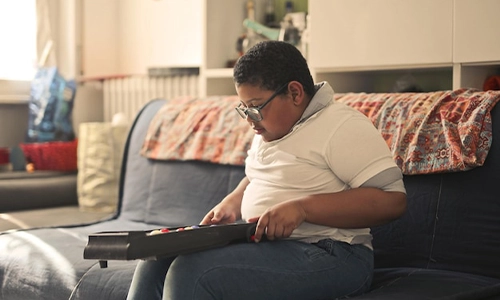
We all know kids today spend more time sitting than running. Fewer green play sessions, more screen time. That pattern encourages:
- Less cardiovascular fitness
- Higher insulin resistance
- More strain on the heart
And over time, that gradually nudges blood pressure upward.
2. Diets High in Salt and Processed Foods
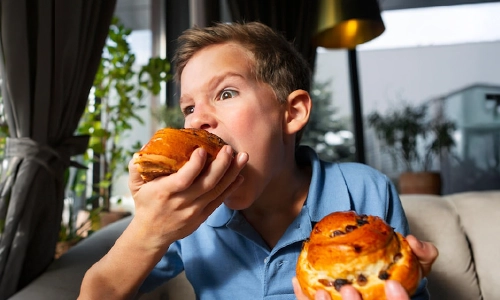
Salt makes the body retain water. More fluid means higher pressure in the arteries.
When children eat lots of packaged snacks, ready-made meals, or fast food, they take in salt far beyond what their small bodies need. It doesn’t cause obvious symptoms every day — but the cumulative effect shows up in numbers.
3. Family History and Genetics
Some children are predisposed because high blood pressure runs in the family. It doesn’t guarantee they will develop it, but it raises the likelihood.
4. Underlying Health Conditions
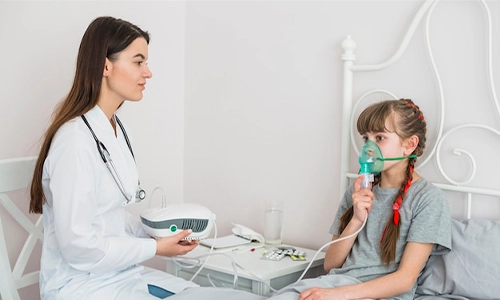
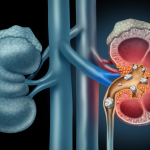
Kidney issues, hormonal imbalances, and certain heart conditions — these can all influence blood pressure in children. Sometimes the numbers rise before anything else changes.
What It Feels Like (and What It Doesn’t)
Many children with high blood pressure don’t feel anything different at first.
It isn’t usually:
- A sudden headache
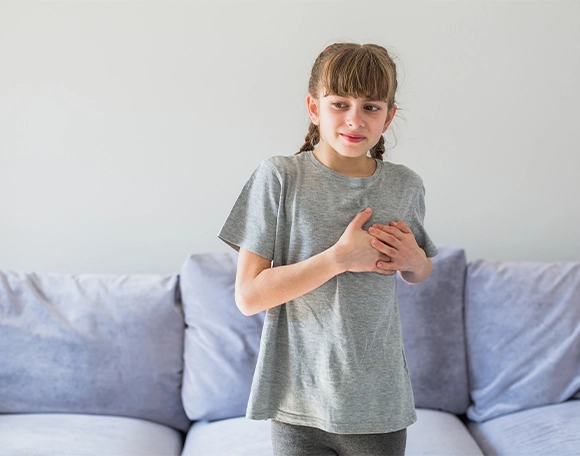
- A sharp ache in the chest
- A collapse out of nowhere
Instead, it can quietly show up as:
- Frequent headaches
- Irritability
- Shortness of breath during play
- Poor sleep
- Complaints of fatigue without a clear reason
If a child shares these symptoms often, it’s worth checking their blood pressure, even if they look “fine.”
How It’s Diagnosed
A doctor measures blood pressure with a cuff and chart that’s specific to a child’s age, height, and gender. Children aren’t small adults. Their normal ranges are different.
Seeing a slightly elevated number once doesn’t confirm a problem. But repeated elevated readings over time — especially with symptoms — deserves attention.
What We Can Do Together

High blood pressure in children isn’t always preventable — but many cases are modifiable. That means small, consistent habits can make a real difference.
Here’s what has helped families:
- Encourage daily movement — play, walk, bike, run — whatever gets the heart pumping.
- Reduce processed and high-salt foods — homemade meals help more than you think.
- Increase fruits and vegetables — fiber and potassium support heart and fluid balance.
- Limit sugary drinks — sugar affects insulin and blood pressure indirectly.
- Check blood pressure periodically — especially if there’s a family history.
These aren’t dramatic lifestyle overhauls. They’re small shifts that add up over weeks and years.
Frequently Asked Questions (FAQs)
Can children get high blood pressure?
Yes. Children can develop high blood pressure, especially with obesity, poor diet, or family history.
What causes high blood pressure in children?
High salt intake, inactivity, excess weight, genetics, and some medical conditions.
Are symptoms of high blood pressure obvious in children?
Often not. Subtle signs like headaches and fatigue may appear.
How is high blood pressure diagnosed in kids?
With repeated measurements using child-specific charts by age, height, and gender.
Does high blood pressure in children go away?
It can improve with lifestyle changes, but monitoring and doctor guidance are important.
Should all children get blood pressure checks?
Annual checks, especially after age 3, are recommended by many pediatric guidelines.
Can diet alone fix high blood pressure?
Diet helps, but exercise, healthy weight, and regular monitoring matter too.
Is stress a factor for children’s blood pressure?
Yes. Emotional stress and poor sleep can influence blood pressure in children.
High blood pressure in children isn’t rare, and it isn’t always dramatic. It’s subtle — a whisper more than a shout.
If worry comes up, that’s okay. Awareness is the first step. Move a little more together. Eat whole foods more often. Drink water. Sleep well. These simple habits don’t just protect blood pressure. They protect childhood.
When we listen to their bodies — just as we listen to our own — we give kids the chance to grow with strength and confidence.