
What Is the A1C Test?
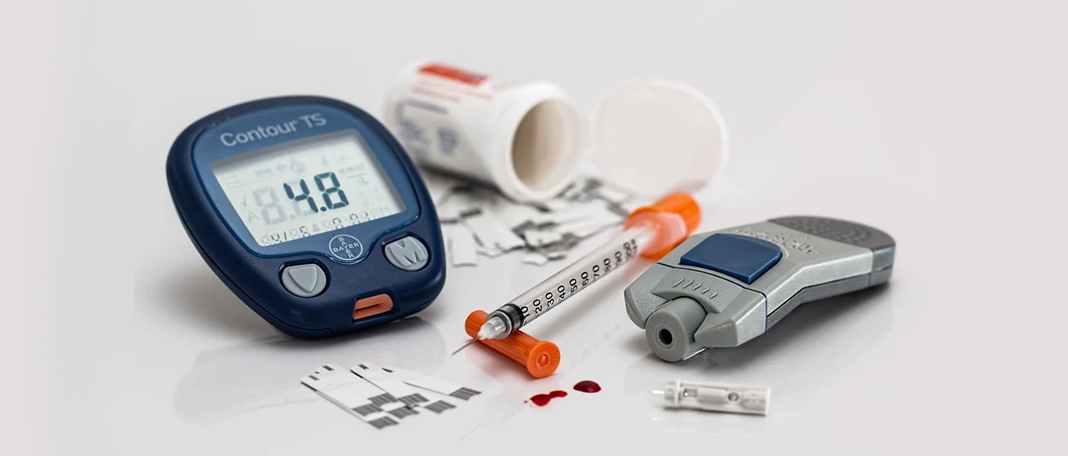
The glycated hemoglobin or the A1C test is taken to determine the blood sugar level of an individual for an average of 2 to 3 months. It is a blood test that is usually recommended to check if the person has diabetes or has a chance of getting type 2 diabetes. This test also gives clear information on how the person has managed the blood sugar in the past 3 months. Below are the A1C ranges and their corresponding conditions.
5.7% or below- Normal
5.7%-6.4%- Prediabetes
6.5% or more-Diabetes
Glucose in the blood attaches itself to the hemoglobin in the blood. This Hemoglobin A1C test detects the attached glucose molecules and determines a person's blood sugar level.
Who Should Get an A1C Test Done?
Individuals who are usually above the age of 45, patients with heart ailments, pregnant women who have been diagnosed with gestational diabetes, or patients with high health risks such as obesity are recommended to take an A1C test.
4 Ways to Lower Your A1C Levels
1. Exercise
Along with an appropriate diet plan, physical activity, and exercise can do wonders to reduce your A1C levels. But, if you are aged, or have other comorbidities, it is best that you seek the advice of your doctor before performing high-intensity workouts. You can also try doing yoga and meditation for the same.
2 . Diet Plan
There are several diet plans for people with diabetes on the Internet. But, no all meal plans are beneficial. Talk to your diabetologist or dietitian and curate a personalized meal plan. Keto diets or paleo diets will not work if that’s not what your body needs. Food packed with nutrients and fiber will help reduce blood sugar levels to a great extent. Low-sugar fruits such as berries, kiwis, and citrus fruits are rich in antioxidants and are highly recommended to reduce A1C levels.
3. Take it slow
Your weight loss journey or reduction in blood sugar levels should be gradual. Your body needs to adapt to the change. Take it slow and steady but be consistent.
4. Reduce Stress
Mental health is the key. Sound sleep and a stress-free lifestyle will help your body improve its metabolism and thus reduce blood sugar levels.
How to lower a1c quickly before the blood test
To lower A1C quickly before a blood test, focus on immediate lifestyle changes: adopt a low-carb diet, avoid sugary foods, and increase fiber intake. Engage in regular physical activity, like brisk walking, to improve insulin sensitivity. Stay hydrated and manage stress through mindfulness or yoga. While these steps can help, consult a healthcare provider for personalized advice, as A1C reflects long-term blood sugar levels and cannot be drastically reduced overnight.
How does a doctor calculate A1C?
A doctor calculates A1C (HbA1c) through a blood test that measures the percentage of hemoglobin molecules coated with glucose over the past 2-3 months. The test reflects average blood sugar levels, as glucose binds to hemoglobin in red blood cells, which have a lifespan of about 120 days. Higher glucose levels result in more glycated hemoglobin. The A1C percentage correlates with average blood sugar levels (e.g., 6% = ~126 mg/dL). This test is a key tool for diagnosing and monitoring diabetes, providing a long-term view of glucose control.
Lifestyle tips
Here are practical lifestyle tips to help manage and lower A1C levels:
- Healthy Diet: Focus on whole, unprocessed foods like vegetables, lean proteins, and healthy fats. Limit refined carbs, sugary snacks, and sugary drinks.
- Portion Control: Eat smaller, balanced meals to avoid blood sugar spikes.
- Regular Exercise: Aim for 30 minutes of moderate activity (walking, cycling) most days to improve insulin sensitivity.
- Stay Hydrated: Drink plenty of water to help regulate blood sugar levels.
- Sleep Well: Aim for 7-9 hours of quality sleep nightly, as poor sleep can affect glucose metabolism.
- Stress Management: Practice mindfulness, yoga, or deep breathing to reduce stress, which can impact blood sugar.
- Monitor Blood Sugar: Regularly check levels to understand how food, activity, and habits affect you.
Consistency is key—small, sustainable changes yield long-term results! Always consult your doctor for personalized advice.