
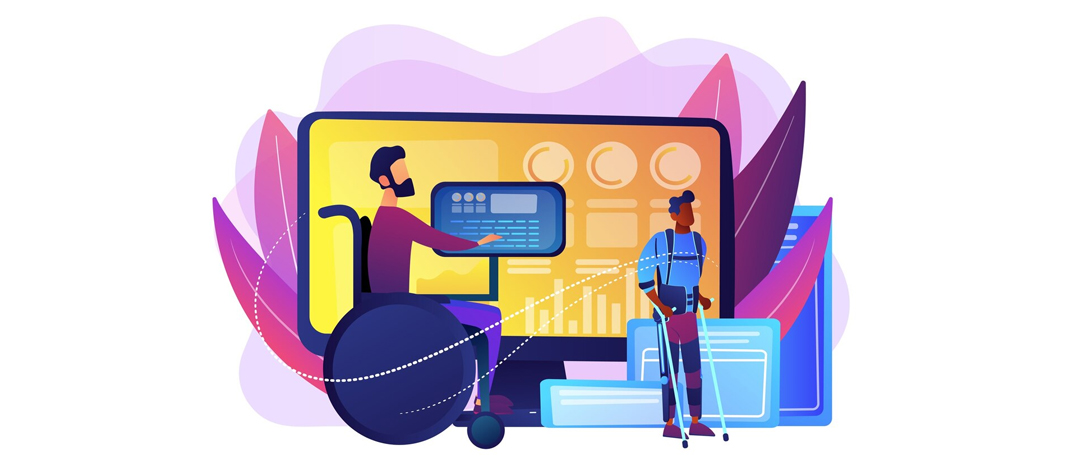
Have you ever considered how technology can make life easier for people with disabilities? That’s where Assistive Technology (AT) steps in. These tools and devices are designed to help people overcome challenges, making everyday tasks more accessible. Assistive technology opens up a world of possibilities, Whether as simple as a magnifying glass or as advanced as a voice-controlled computer. Let’s dive into what assistive technology is, who can benefit from it, and how it changes lives.
What is Assistive Technology?
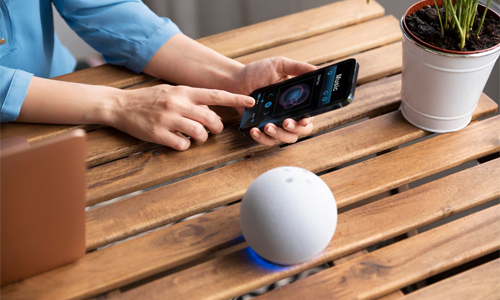
It refers to any tool, device, or system that helps individuals with disabilities perform functions that might otherwise be difficult or impossible. It ranges from low-tech devices like a cane or hearing aid to high-tech solutions such as powered wheelchairs or screen readers.
Did you know? Some of its tools, like voice-activated assistants (e.g., Siri or Alexa), are things we use every day without realizing they were initially designed for accessibility.
Types of Assistive Technology
It comes in many forms, each designed to address different needs and challenges. These tools can significantly improve the quality of life for individuals with disabilities or limitations by enhancing their ability to perform tasks independently.
1. Mobility Aids

Mobility aids are devices designed to assist people with physical disabilities, helping them move around more easily. Examples include wheelchairs, walkers, canes, and crutches. More advanced options, like powered wheelchairs and scooters, provide greater independence and ease of movement for those with more severe mobility limitations.
Example
A powered wheelchair allows a person with limited upper body strength to navigate through their environment with minimal physical effort.
2. Communication Devices

For individuals with speech or hearing impairments, communication devices can be life-changing. These range from simple picture boards to sophisticated speech-generating devices (SGDs) that allow users to communicate verbally through technology. Text-to-speech applications and communication apps on smartphones also fall under this category.
Example
A speech-generating device can help a non-verbal child express their needs and emotions, enabling them to participate more fully in daily conversations.
3. Visual Aids

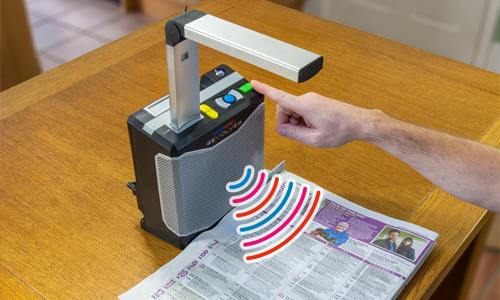
People with visual impairments benefit from a variety of visual aids that enhance their ability to read, navigate, and access information. Examples include screen readers, magnification software, and Braille displays. These tools allow visually impaired individuals to engage with digital content, read printed materials, and gain independence in daily activities.
Example
Screen readers convert text on a computer or smartphone screen into speech, enabling blind users to interact with technology more easily.
4. Hearing Aids
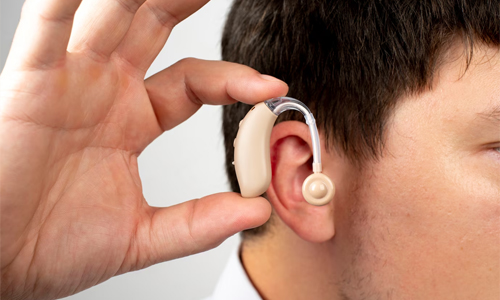
For those with hearing loss, hearing aids and other amplification devices play a critical role in improving communication. These devices amplify sound, making it easier for people to hear conversations and environmental sounds. Some advanced hearing aids can even filter out background noise for a more focused listening experience.
Example
A person with moderate hearing loss can use hearing aids to participate more fully in social gatherings and understand conversations better.
5. Learning Aids
Students with learning disabilities, such as dyslexia or ADHD, benefit greatly from assistive learning tools. These include software that reads text aloud, devices that organize notes, and programs that help with time management. These aids support students in overcoming challenges in reading, writing, and organizing their thoughts.
Example
Text-to-speech software helps a dyslexic student by reading textbooks aloud and improving comprehension and focus during study sessions.
6. Adaptive Tools for Daily Living

These assistive devices are designed to make everyday tasks easier for people with disabilities. Examples include utensils with modified grips, dressing aids, and tools that help with feeding or personal hygiene. These adaptive tools give people more control over their daily routines and promote independence.
Example
A person with limited hand movement might use utensils with comfortable grips so they can eat without help.
Who Can Benefit from Assistive Technology?
It has the power to improve the lives of many, spanning a wide range of individuals with different needs. Whether it’s providing mobility support, enhancing communication, or helping someone regain independence, it offers tailored solutions to improve everyday functioning.
1. Individuals with Physical Disabilities
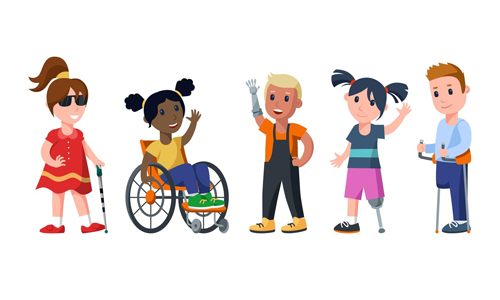
For people with physical disabilities, it provides critical tools that enable greater independence and mobility. These tools range from simple aids like canes and walkers to more advanced technology like electric wheelchairs and prosthetics. By facilitating movement and access, it empowers users to engage more fully with their surroundings, improving their ability to participate in daily activities and social interactions.
2. Individuals with Sensory Impairments

People with sensory impairments, such as vision or hearing loss, benefit immensely from it which compensates for these challenges. Screen readers, Braille displays, and magnification tools help those with visual impairments access written content, while hearing aids and assistive listening devices enhance auditory experiences for those with hearing impairments. These technologies break down communication barriers and provide access to essential information.
Did You Know? In addition to personal devices like hearing aids, public places often have assistive listening systems, such as induction loops or FM systems, to help people with hearing loss engage fully in events and conversations.
3. Children with Learning Disabilities

Children with learning disabilities, such as dyslexia or attention-deficit disorder, are major beneficiaries of it. Tools such as text-to-speech software, interactive educational apps, and organizational tools allow these students to keep up with their peers by improving their ability to process and retain information. By reducing the learning gap, these technologies build confidence and enhance the learning experience.
4. Older Adults

As people age, their vision, hearing, movement, and thinking skills can change. Older adults can benefit from it which helps them stay independent. Simple devices like loud phones and grab bars, as well as more advanced smart home technology that helps with daily tasks, make it easier for seniors to live safely and comfortably at home.
Tip
Encourage older adults to explore assistive devices early to ensure a smoother transition as age-related challenges arise. Incorporating tools like medication reminders or fall detection systems can be life-changing.
5. Individuals Recovering from Injury or Illness
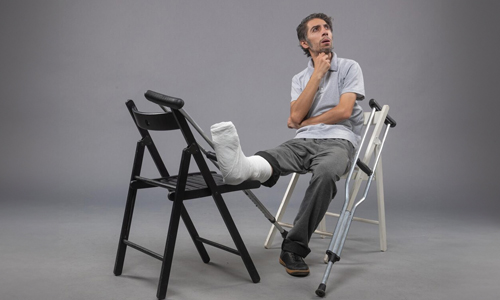
It can provide temporary support for individuals recovering from surgeries or illnesses. Whether it’s a temporary mobility aid like crutches or a knee brace after surgery, these devices help with the rehabilitation process by supporting daily tasks and reducing strain. For those undergoing speech therapy or cognitive recovery, it can offer additional tools to aid communication and memory.
6. People with Speech and Communication Difficulties

For those with speech or communication difficulties, it serves as a vital lifeline. Tools like speech-generating devices and communication boards offer alternative methods for expressing thoughts and needs. These devices enable users to participate more actively in conversations, reducing social isolation and improving their overall quality of life.
Benefits of Assistive Technology
Emerging Trends in Assistive Technology
The field of assistive technology is evolving rapidly, with innovations making these tools more powerful, personalized, and accessible than ever before. Advances in Artificial Intelligence (AI) and Virtual Reality (VR) are paving the way for cutting-edge solutions that offer greater independence and engagement for users.
a. Artificial Intelligence (AI)
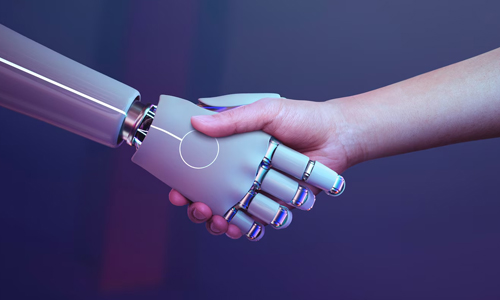
AI is being integrated into assistive devices to make them more adaptive and responsive to individual needs. AI-powered tools like smart prosthetics can adjust movements based on real-time feedback from the user, while voice-activated assistants can help those with mobility or communication challenges manage daily tasks more efficiently.
b. Virtual Reality (VR)

VR is being used for rehabilitation and therapy, helping individuals with disabilities practice real-life scenarios in a controlled, immersive environment. For instance, VR simulations can aid in cognitive rehabilitation for stroke survivors or assist individuals with autism in practicing social interactions in a safe, virtual space.
These innovations are making it smarter, more intuitive, and increasingly personalized, offering users more independence and a higher quality of life. As these trends continue to develop, the future promises even greater inclusivity and accessibility for individuals with disabilities.
Fact
AI-powered devices can learn a user’s preferences over time, making them more efficient and personalized. Imagine a wheelchair that adjusts its speed based on your daily habits.
How to Choose the Right Assistive Technology?
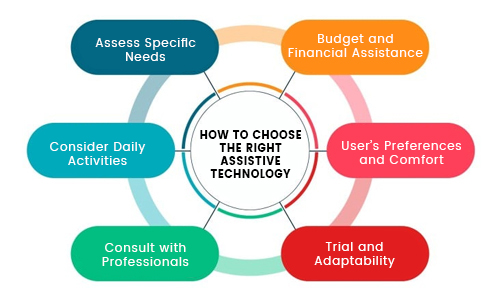
Choosing the right assistive technology is a critical step in addressing the unique needs of an individual. The right device can significantly improve independence and quality of life, but it requires careful consideration of the person’s specific challenges and goals.
1. Assess Specific Needs
The first step is understanding the individual's needs, which may include challenges related to mobility, communication, learning, or sensory impairments.
2. Consider Daily Activities
Look at how it can help with everyday tasks. Consider whether the technology is needed for school, work, or home life. This helps make sure the device is practical and fits well into the user’s routine.
3. Consult with Professionals
It’s essential to consult healthcare providers, such as occupational therapists or specialists, who can offer valuable insights into which tools are most suitable. They can recommend devices based on a thorough assessment of the individual's abilities and needs.
4. Trial and Adaptability
Many assistive devices can be tried before making a purchase, allowing the user to determine if the tool is comfortable and effective. It's important to select technology that can adapt to changing needs, as conditions may evolve.
5. User’s Preferences and Comfort
Consider the preferences and comfort level of the person who will use the technology. Assistive devices should be easy to use and integrate into their lifestyle without causing unnecessary frustration.
6. Budget and Financial Assistance
Cost can be a significant factor when choosing it, but there are often funding options available. Look into insurance coverage, grants, or nonprofit organizations that may provide financial support for purchasing the right device.
By carefully checking needs, talking to professionals, and making sure the chosen technology fits the user's lifestyle, you can make a smart choice that gets the most out of it.
The Future of Assistive Technology: What’s Next?
The future of assistive technology is bright. With developments in Augmented Reality (AR) and wearable technology, accessibility tools are becoming more immersive and easier to use. These advancements promise to break down even more barriers and provide greater independence.
The Fact
Shortly, we may see virtual assistants that understand and adapt to the specific accessibility needs of each user, revolutionizing the way people interact with technology.
Final Words
It is more than just a tool; it’s a bridge to independence, inclusion, and empowerment. Whether it’s helping a child excel in school or enabling an adult to communicate better, the impact of assistive technology is truly life-changing. As technology continues to evolve, it’s exciting to see how these innovations will further improve the lives of people with disabilities and beyond.