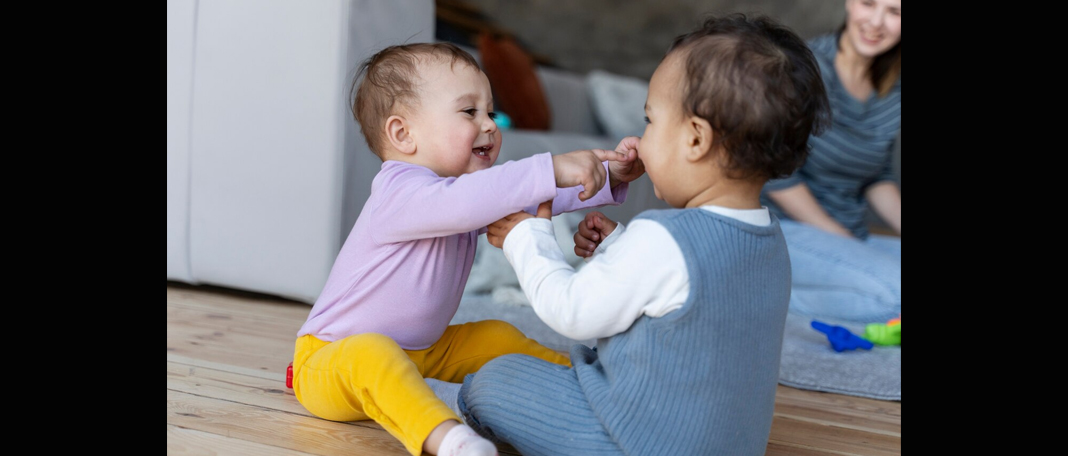
Watching a baby grow is a really interesting experience. Every little milestone is special, From their cute smiles to their first words. But have you thought about empathy, the ability to understand how others feel? Many people think only older kids and adults can do this, but research shows that even babies start to show early signs of empathy. Let’s look at empathy, why it’s important, and how it develops in babies. We’ll also share some simple tips for parents on how to help their little ones become more empathetic.
What is Empathy?
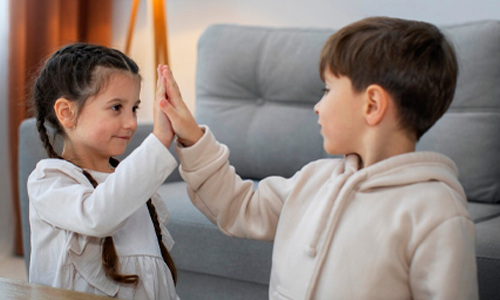
Empathy is the ability to understand and share what someone else is feeling, seeing things from their perspective. It’s an important human trait that helps us build healthy relationships and interact well with others. Unlike sympathy, which is simply feeling sorry for someone, empathy is about truly connecting with them and imagining what it’s like to be in their shoes. Empathy isn’t just a nice skill to have, it’s a powerful way to connect with others, develop emotional intelligence, and encourage kindness. It helps us respond compassionately, solve problems peacefully, and create stronger, more supportive communities.
Is Empathy Really That Important?
It’s not just a nice thing to have, empathy is crucial for developing social and emotional skills. When kids learn empathy early, they’re better at making friends, resolving conflicts, and interacting well with others.
Builds Strong Relationships
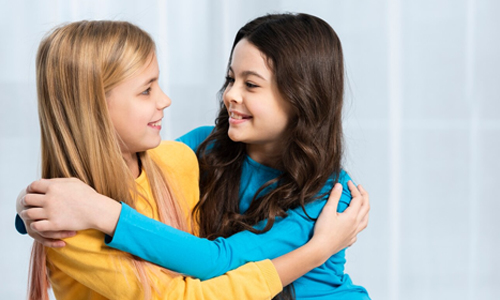
Empathy is the foundation for forming meaningful connections. It helps children understand and respond to the feelings of friends and family, allowing them to build and maintain close, supportive relationships.
Encourages Kindness and Sharing
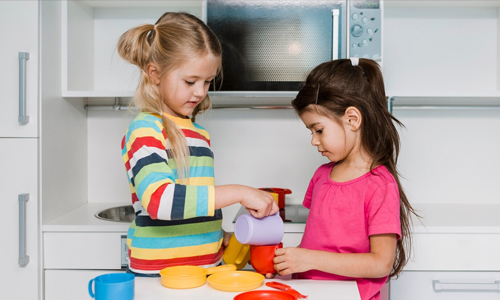
Empathy drives children to engage in pro-social behaviors like sharing toys, helping others, and being kind. Practicing these actions frequently strengthens their ability to cooperate and connect with others.
Supports Emotional Intelligence
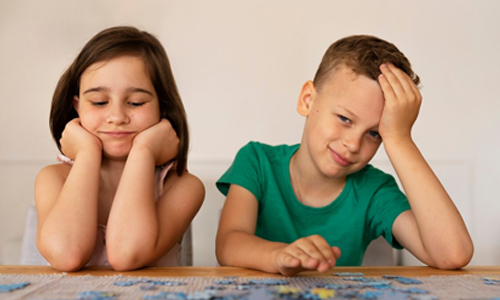
Kids who develop empathy early tend to be better at understanding and managing their own emotions. This helps them navigate challenges, regulate their feelings, and react thoughtfully in various situations.
Reduces Aggressive Behavior
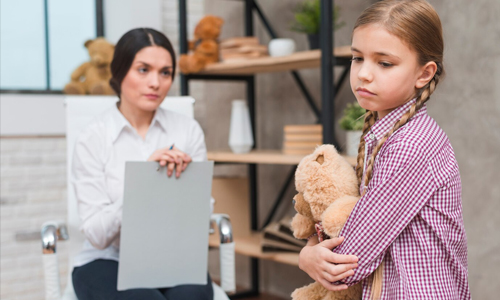
When children recognize how their actions affect others, they are less likely to engage in aggressive or bullying behaviors. Empathy encourages them to think before they act, promoting peaceful conflict resolution.
Boosts Mental Health
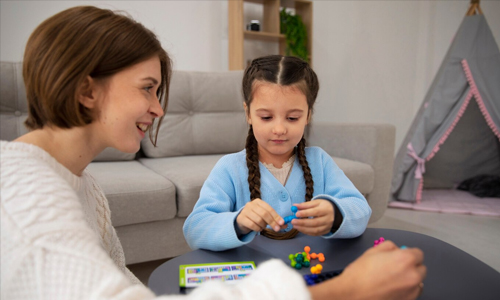
Developing empathy helps children build emotional resilience and understand that they are not alone in their feelings. This ability to connect with others and seek support improves their emotional well-being and stress management skills.
Promotes Long-term Social Success
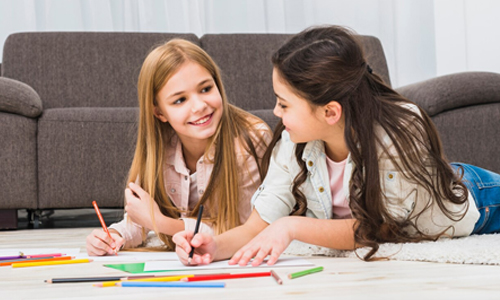
Empathy is a skill that translates into adulthood, helping individuals form strong, cooperative teams, maintain healthy relationships, and contribute positively to their communities.
When Do Babies Develop Empathy?
Now, you might be surprised to learn that the seeds of empathy are planted right from infancy. While fully developed empathy grows over many years, babies show early signs that hint at their empathic potential.
1. Newborns (0-3 months)
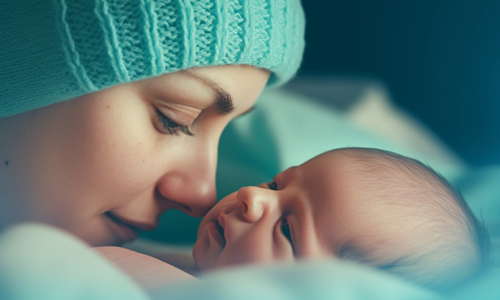
Babies might not be able to truly empathize at this age, but they show something called “emotional contagion.” Have you ever seen how one crying baby can make all the other babies start crying too? That’s because they react to the emotions of those around them, even if they don’t fully understand what’s happening. It’s like a tiny first step toward learning empathy.
2. 6-12 months
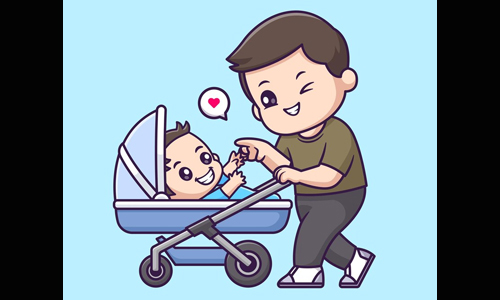
At this age, babies begin to notice feelings around them. If you’re upset, your baby might seem worried as well. They are picking up on the emotional atmosphere, even if they don’t yet understand why you feel that way.
3. 1-2 years
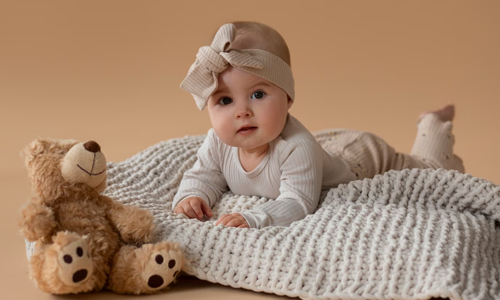
This is when things start to get interesting. You might see your toddler trying to comfort a crying friend by offering them their favorite toy. At this stage, they’re starting to understand that other people have feelings, and they can do something to help. It’s a big step in their social and emotional growth.
4. 2-3 years
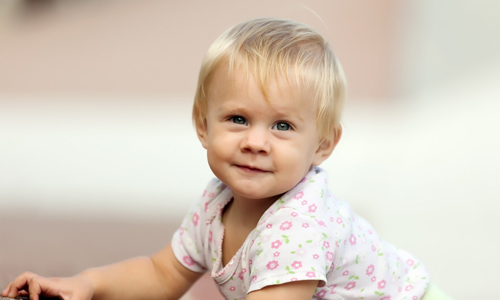
By the time they become toddlers, kids start showing more complex empathy. They might copy adult behaviors, like giving hugs, or saying comforting words when they see someone upset. They’re still learning and often connect other people’s feelings to their own experiences, but this is a big step toward becoming caring and thoughtful little humans.
How Can We Encourage and Promote Empathy in Babies and Toddlers?
You might think, "If being nice is natural, do I need to help my child with it?" The answer is yes. Some kids might show empathy early, but it's still a skill that can be enhanced over the years.
Show Empathy Yourself
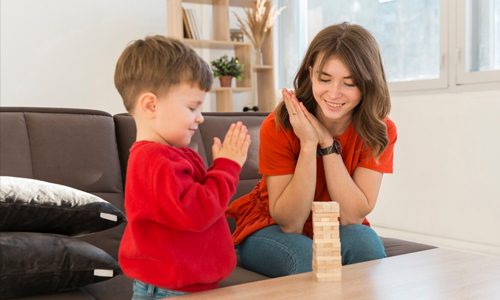
Kids are always watching us, so it’s important to model the behavior we want them to learn. When you help a friend or comfort a family member, take a moment to explain it to your child. You might say, “See how I’m helping? I do this because I care about my friend’s feelings.” This teaches them that being kind and supportive is something to strive for.
Talk About Feelings
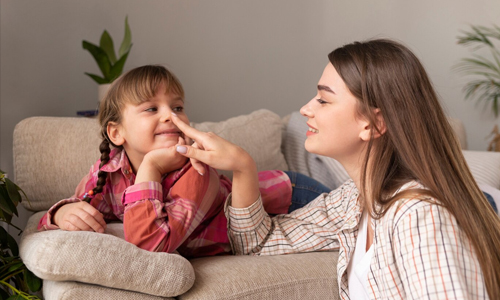
Make it a habit to discuss feelings regularly. When you notice your child is feeling a certain way, label it. You can say, “You look really happy playing with your blocks!” or “I can see you’re sad because your toy broke.” This helps them start to recognize and understand emotions, both in themselves and in others.
Read Books About Emotions
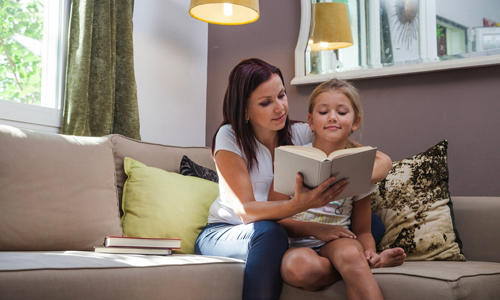
Storytime can be a wonderful opportunity to explore feelings together. Pick books where characters experience a range of emotions. After reading, ask questions like, “Why do you think the character is feeling that way?” or “What do you think we could do to help them feel better?” This encourages your child to think deeply about how others might be feeling.
Play Caring Games
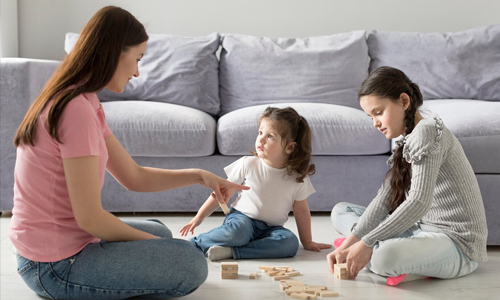
Kids learn a lot through play, so why not use that to teach empathy? Use dolls or stuffed animals and encourage your child to take care of them. They can pretend to feed the doll or comfort it when it’s “crying.” This kind of imaginative play allows them to practice empathy in a fun and engaging way.
Praise Kindness
Whenever you see your child being kind, make sure to acknowledge it. A simple, “Wow, that was so nice of you to share your toy” goes a long way. When you recognize their empathetic actions, it reinforces the idea that being kind is valuable and motivates them to keep doing it.
Encourage Social Interactions
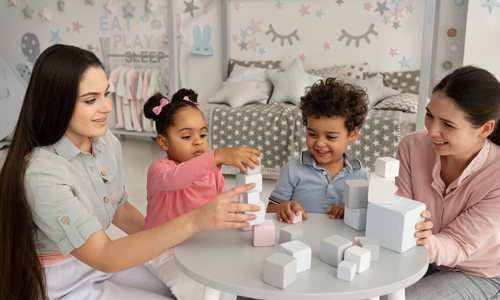
Social situations are perfect for teaching empathy. Arrange playdates, family gatherings, or group activities, where your child can interact with others. During these times, they’ll learn to notice and react to how their friends feel, which is important for building empathy. It also helps them practice being a good friend.
Empathy is a beautiful part of being human, and it's never too early to start teaching it to your child. By showing empathy, talking about feelings, and encouraging caring play, you're helping your little one grow into a kind and compassionate person. The more we nurture empathy, the more we raise children who care about others.
The Fun Zone
Here’s a game given below designed for toddlers (ages 2-4) to help them understand emotions. The game encourages empathy, emotional awareness, and problem-solving, all in a fun and interactive way.
Materials Needed
- Flashcards or pictures showing different emotions (e.g., happy, sad, angry, surprised).
- A magnifying glass (optional but fun for kids to feel like a real detective!).
How to Play?
1. Set Up the Game
- Lay out the emotion cards or pictures in a circle or spread them on the floor.
- Explain to your child that they are an “Emotion Detective” who needs to find clues to solve the mystery of what each person is feeling.
2. Describe Each Emotion
- Show one card at a time and ask your child to identify the emotion. Use phrases like, “What do you think this person is feeling?” and “What clues do you see?”
- Encourage them to notice facial expressions, body language, and other visual cues. For instance, a card showing a child with tears might mean they’re sad, while a big smile could indicate happiness.
3. Solve the Mystery Together
- Once your child identifies the emotion, discuss what might have happened to make the person feel that way. For example, “Maybe they lost their toy, and that’s why they are sad.”
- Ask your child how they could help or respond to the emotion. For example, “What can we do to make them feel better?”
4. Role-Play Solutions
- If they suggest giving a hug or offering a toy, role-play these actions with a doll or each other. This helps them practice responding empathetically.
Purpose
- This game helps children recognize and label emotions, making them more aware of the feelings of others. By discussing and role-playing ways to respond, they practice empathy and learn the importance of caring for others.
- The detective element adds a playful twist, keeping them engaged and excited to solve the next emotional “mystery.”
Updated Section: Real Parenting Concerns About Empathy in Kids (Expert Answers)
When we published this blog in October 2024, we were overwhelmed by the thoughtful, heartfelt questions from our readers. Many parents reached out with specific concerns about how their young children show (or don’t show) empathy. Below, we’ve included a few fictionalized versions of those questions—with insights from child psychologists and parenting experts.
Disclaimer: The names and scenarios are fictional to protect our readers’ privacy, but the issues are based on real messages we received.
Q1: “My daughter is 5. She hits me and laughs. Even when I say it hurts, she keeps doing it. I know she’s little—but it’s hard and painful. What do I do?”
Expert Answer:
This is a more common issue than you might think. At this age, children are still developing emotional regulation and impulse control. The laughing isn’t cruelty—it’s often a sign of nervousness or confusion about the emotional response you’re showing.
- Say firmly but calmly, “I won’t let you hit me. That hurts and it’s not okay.”
- After calming down, use a moment later to talk about feelings: “When you hurt someone, how do you think they feel?”
- Use picture books or role-play games to connect feelings with actions.
- Praise gentle behavior whenever you see it: “I love how softly you touched my arm.”
Remember: Empathy is still forming at age 5. With consistency, boundaries, and lots of emotion-labeling, kids begin to internalize how their actions affect others.
Q2: “My son is 3 years and 7 months. He plays rough with other kids and doesn’t seem to realize they’re in pain. He just keeps being violent.”
Expert Answer:
At just under 4 years, your child is still navigating the huge task of distinguishing between play, emotions, and consequences. It’s likely he doesn’t yet recognize that “rough play” can hurt others or doesn’t associate it with emotional pain.
What helps:
- Narrate what's happening: “Look, Ella is crying. She’s upset because that was too rough.”
- Model how to say sorry—not just as a word, but with empathy: “Can we check if she’s okay together?”
- Use puppets or dolls to act out “gentle play” vs “rough play.”
- Provide structured outlets for rough energy (jumping, running, tumbling mats).
According to the American Academy of Pediatrics, preschool-aged children learn empathy best through repeated guidance and modeled behavior, not punishment or guilt.
Q3: “Is it normal if my toddler shows zero reaction when I’m crying or upset?”
Expert Answer:
Yes. Young children often seem emotionally “blank” during big emotional moments—not because they don’t care, but because they don’t know how to process what’s happening.
Use these strategies:
- Verbalize your feelings: “Mommy is crying because she’s feeling sad right now.”
- Ask simple empathy prompts: “What do you think would make me feel better?”
- Use visuals—emotion cards, storybooks, or even videos showing emotional reactions.
With time, consistency, and emotional vocabulary, your child will begin to connect facial expressions, tone, and context—and empathy will follow.
Q4: “My child laughs when someone gets hurt—even if it’s me or a friend falling down. Is that normal?”
Expert Answer:
It might feel shocking, but laughing in response to someone else’s pain doesn’t always signal cruelty. In young children, laughter can be a stress response or a sign of confusion about how to react in a situation that feels intense or new.
What You Can Do:
- Calmly say, “That’s not funny—your friend is hurt. Let’s help them feel better.”
- Label the situation: “They’re crying. That means they’re feeling pain.”
- Praise any attempt to help: “It was kind of you to bring them their toy.”
Developmental Insight: Children under age 6 are still learning social referencing—that is, figuring out the “right” emotional response based on others’ expressions. What looks like insensitivity may actually be an underdeveloped emotional filter.
Q5: “My daughter is very shy and doesn’t show emotions like other kids. Does that mean she lacks empathy?”
Expert Answer:
Not at all! Some children show empathy in quiet or internalized ways—they might feel deeply, but not express it outwardly. Your child may be observing and absorbing emotions silently before deciding how to respond.
Encourage her emotional language gently:
- Ask reflective questions: “How do you think she felt when that happened?”
- Allow quiet time to process emotions before expecting a response.
- Avoid labeling her as “cold” or “uncaring”—this can impact her self-image.
Shy or introverted kids may need more time but are often highly empathetic once they feel emotionally safe.
Q6: “My 3-year-old shows more empathy to pets than people. Is that weird?”
Expert Answer:
Not weird at all! In fact, showing empathy toward animals is a wonderful and valid expression of emotional sensitivity. For many children, pets are easier to understand—they don’t use complex words or social cues.
What You Can Do:
- Use their compassion for pets as a bridge: “You’re so gentle with our dog—can we show the same kindness to our friend?”
- Create stories or role-play scenarios that include pets and people needing help.
According to child psychologists, empathy is transferable. If your child can nurture one living being, they can be guided to care for others as well.
Q7: “My child never apologizes—even when she clearly hurts someone. Does that mean she doesn’t feel guilty?”
Expert Answer:
Not necessarily. Children often feel guilt but lack the tools to express it—especially when they’re embarrassed or confused about their actions. Some may avoid apologizing out of pride, anxiety, or even fear of getting scolded.
What You Can Do:
- Model apologies often: “Oops, I stepped on your foot. I’m sorry!”
- Make it safe to say sorry: Avoid harsh reactions to accidents or mistakes.
- Coach them through it gently: “Let’s say something kind to make them feel better.”
Research shows children ages 3–6 are still developing the emotional vocabulary and impulse control needed to own their actions. Empathy grows when parents coach, not command.