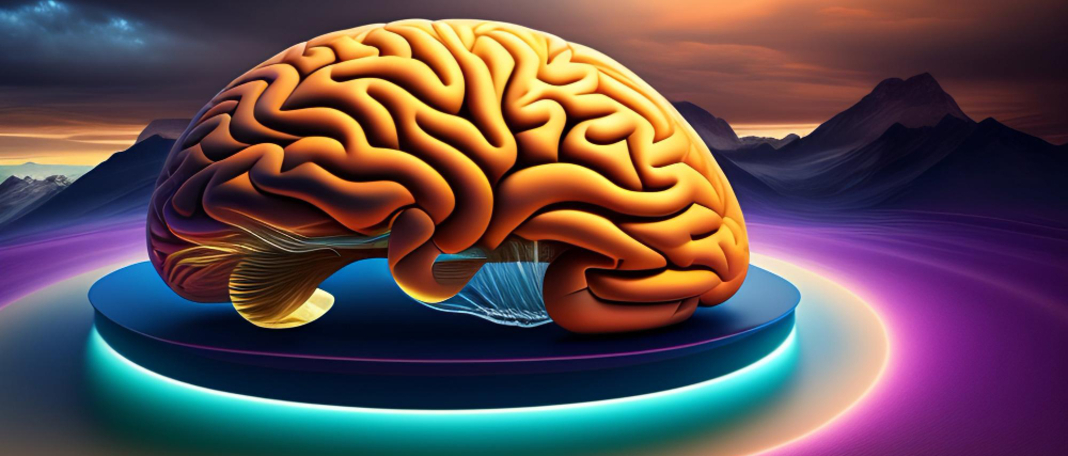
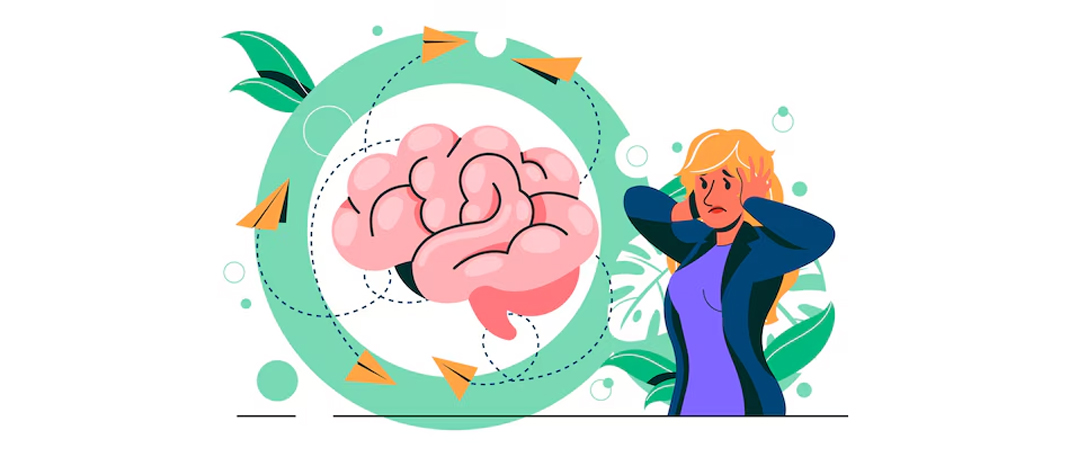
Let’s talk about something that has been on your mind for quite some time now—ADHD, or Attention Deficit Hyperactivity Disorder. Maybe you’ve noticed certain behaviors in yourself or a loved one, or you’re simply curious about how ADHD impacts daily life. Whatever brought you here, let’s navigate this topic together. ADHD is more common than you might think, yet it’s surrounded by questions and myths. Together, let’s explore what is ADHD, what causes it, and most importantly, how it can be managed with care and understanding. Ready? Let’s begin!
Decoding ADHD
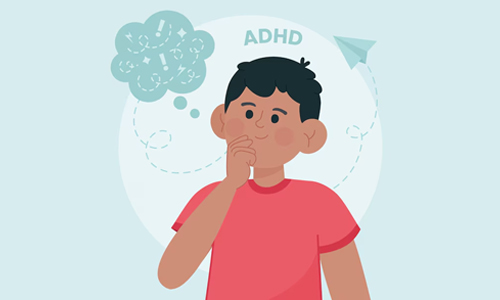
ADHD, or Attention Deficit Hyperactivity Disorder, is a neurodevelopmental condition that affects how a person focuses, manages impulses, and organizes tasks. It’s not about being lazy or forgetful—it’s about how the brain processes information differently.
How Common Is It?
ADHD affects about 5% of children globally and 2.5% of adults. It’s important to know that ADHD can look different from person to person, and its symptoms can range from mild to severe.
A Lifelong Journey
For some, ADHD symptoms lessen with age, but for others, the challenges remain. However, with the right support, many individuals lead fulfilling, successful lives.
Types of ADHD
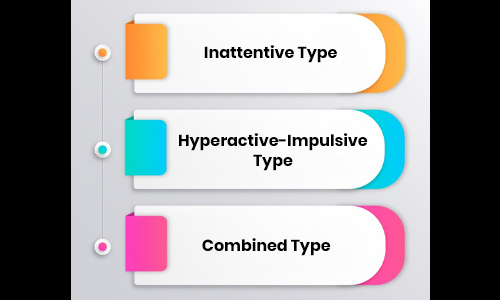
Understanding the different types of ADHD is crucial for recognizing symptoms and creating personalized strategies for management. ADHD is classified into three primary types, each with its distinct characteristics.
1. Inattentive Type

This type is often associated with difficulties in maintaining focus and staying organized. Individuals with this type may:
- Struggle to concentrate on tasks or activities, especially if they find them uninteresting.
- Frequently forget details, appointments, or instructions, even for important responsibilities.
- Appear “daydreamy” or disconnected, leading others to mistakenly label them as lazy or demotivated.
- Have trouble completing tasks, as they may start projects but lose focus midway.
2. Hyperactive-Impulsive Type

This type is marked by high energy levels and impulsive behaviors.
- Restlessness, such as fidgeting with hands, tapping feet, or an inability to sit still for long periods.
- Acting without considering consequences, like interrupting conversations or blurting out answers in class.
- Excessive talking or an inability to wait for their turn in conversations or activities.
- Difficulty engaging in quiet or leisurely activities without feeling the need to move or be active.
3. Combined Type
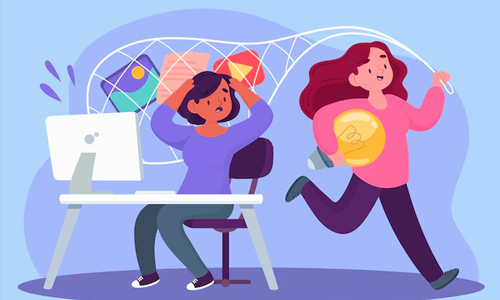
This is the most common form of ADHD and involves a mix of symptoms from both the inattentive and hyperactive-impulsive types.
- Show signs of distractibility, forgetfulness, and disorganization, alongside hyperactivity and impulsivity.
- Experience challenges across various aspects of life, from academics and work to social relationships and daily routines.
- Require a multi-faceted management approach that addresses both inattentive and impulsive behaviors.
Why Understanding the Types Matters?
Recognizing the specific type of ADHD can help individuals and caregivers tailor interventions. Whether through behavioral strategies, medication, or therapy, understanding the unique challenges of each type is the first step toward effective management and support.
What Does ADHD Do?
ADHD (Attention Deficit Hyperactivity Disorder) affects a person’s ability to focus, manage impulses, and stay organized. It can cause hyperactivity, difficulty completing tasks, and challenges in maintaining attention. These symptoms often impact school, work, and relationships.
How Does ADHD Affect the Brain?
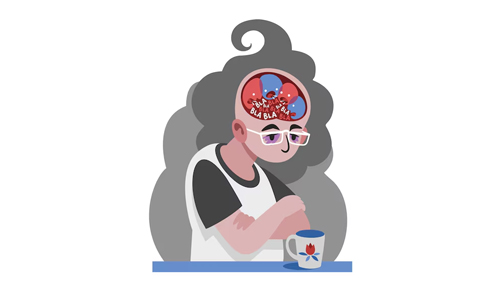
ADHD alters the brain’s structure and functioning, particularly in areas controlling attention, behavior regulation, and decision-making. The brain may produce lower levels of dopamine, a chemical crucial for motivation and focus. Neural pathways may also be less efficient, making it harder to process information and control impulses.
What Are the Symptoms of ADHD?
ADHD symptoms can appear in early childhood but may present differently depending on age and environment.
1. In Children
- Difficulty paying attention in class.
- Struggling with instructions or homework.
- Frequent interruptions or inability to sit still.
2. In Adults
- Procrastination and trouble managing deadlines.
- Difficulty focusing during meetings or conversations.
- Impulsive decisions, such as overspending.
3. Emotional Impact
- Low self-esteem due to feeling misunderstood.
- Frustration from difficulty keeping up with peers.
- Anxiety from uncompleted tasks or social struggles.
What Causes ADHD?
ADHD isn’t caused by poor parenting, a lack of discipline, or specific lifestyle choices. It is a multifaceted condition influenced by a combination of genetic, neurological, and environmental factors.
1. Genetics

- ADHD has a strong genetic link, meaning it often runs in families. Studies show that if a parent or sibling has ADHD, the likelihood of another family member developing it increases significantly.
- Researchers believe specific genes related to the regulation of dopamine—a neurotransmitter involved in attention and impulse control—may play a key role.
2. Brain Structure and Function
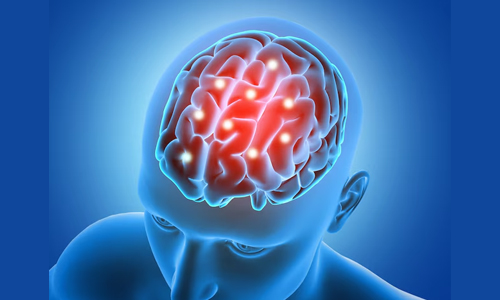
- Advanced imaging studies reveal that certain areas of the brain, particularly those responsible for attention, planning, and impulse control, may develop more slowly in individuals with ADHD.
- These differences can lead to challenges in regulating behavior, maintaining focus, and managing emotions.
- Brain chemical imbalances, especially with dopamine and norepinephrine, are often observed in people with ADHD, affecting their ability to process and prioritize tasks effectively.
3. Environmental Factors

Certain prenatal conditions, such as the following, can increase the risks of ADHD:
- Premature birth or low birth weight.
- Exposure to toxins like lead, alcohol, or nicotine during pregnancy.
- Maternal stress or complications during childbirth.
Postnatal factors, such as early exposure to environmental toxins, or significant head injuries in childhood, can also contribute to the development of ADHD.
How Is ADHD Diagnosed?
Diagnosing ADHD is a comprehensive process that goes beyond simply observing someone's behavior. It involves input from various sources, detailed assessments, and a thorough review of medical history.
1. Behavioral Assessments
- Observations and Questionnaires - Healthcare professionals often ask parents, teachers, or close colleagues to describe specific behaviors that occur across different settings (home, school, or work). These assessments help identify patterns of inattention, impulsivity, or hyperactivity.
- Rating Scales - Tools like the Conners Rating Scale or Vanderbilt Assessment Scale are used to quantify symptoms. These scales provide a standardized way to evaluate behaviors and compare them to clinical criteria for ADHD.
- Context Matters - The symptoms must appear in more than one environment (e.g., at home and school) and significantly impact daily functioning.
2. Specialized Tests
- ADHD isn’t diagnosed with a single test. Instead, professionals may use cognitive or psychological tests to rule out other conditions and understand the extent of attention and impulse-control challenges.
- Tools, such as continuous performance tests (CPTs) evaluate attention span and response control, providing measurable insights into how the individual processes information.
3. Medical History
- Developmental History - A thorough review of the individual’s developmental milestones, including delays in speech, motor skills, or social behavior, helps uncover early signs of ADHD.
- Family History - ADHD often runs in families, so understanding whether close relatives have the condition or similar traits is essential.
- Rule Out Other Conditions - Medical professionals assess for other potential causes, such as anxiety, depression, learning disabilities, or sleep disorders, which can mimic or coexist with ADHD symptoms.
4. Clinical Interviews
- Professionals conduct structured or semi-structured interviews to understand how the symptoms affect daily life, relationships, and performance at school or work.
- They may also explore stressors, coping mechanisms, and other factors influencing behavior.
Why Does a Professional Diagnosis Matter?
Getting an accurate diagnosis ensures that individuals receive appropriate support and treatment. Self-diagnosis or informal assessments might miss critical factors or lead to ineffective interventions. By working with qualified healthcare professionals, individuals can take the first step toward managing ADHD effectively.
Supporting Someone with ADHD
- Educate Yourself About ADHD
- Practice Patience and Empathy
- Encourage Open Communication
- Help Create a Structured Environment
- Offer Gentle Reminders and Cues
- Celebrate Strengths and Achievements
- Avoid Negative Labels or Criticism
- Assist in Developing Healthy Habits
- Be Involved in Treatment Plans
- Seek Support Groups for Caregivers and Families
Can Lifestyle Changes Help Manage ADHD?
While ADHD often requires medical treatment, incorporating lifestyle changes can significantly improve symptoms and enhance overall well-being.
1. Create a Consistent Routine
- Why It Helps - Structure provides predictability, reducing overwhelm and forgetfulness.
- Tip - Use calendars, planners, or apps to schedule daily activities and set reminders.
2. Prioritize Physical Activity
- Why It Helps - Exercise boosts dopamine, norepinephrine, and serotonin levels, improving focus and mood.
- Tip - Engage in activities like swimming, cycling, or yoga to keep the mind and body active.
3. Focus on a Balanced Diet
- Why It Helps - Nutrient-rich foods stabilize energy levels and support brain function.
- Tip - Include whole grains, lean proteins, fruits, and vegetables while avoiding excessive sugar and processed foods.
4. Practice Mindfulness and Meditation
- Why It Helps - Mindfulness reduces impulsivity and enhances focus.
- Tip - Try guided meditation apps or breathing exercises for just 10–15 minutes daily.
5. Get Quality Sleep
- Why It Helps - Adequate rest improves attention and reduces irritability.
- Tip - Stick to a consistent sleep schedule, limit screen time before bed, and create a calming bedtime routine.
6. Limit Screen Time
- Why It Helps - Excessive screen exposure can overstimulate the brain and worsen focus issues.
- Tip - Set screen time limits and encourage outdoor or creative play instead.
7. Engage in Creative Outlets
- Why It Helps - Activities like painting, music, or writing channel energy positively and enhance concentration.
- Tip - Encourage hobbies that align with the individual’s interests.
8. Practice Time Management Skills
- Why It Helps - Time blindness is common in ADHD. Planning and prioritizing tasks reduces stress.
- Tip - Break tasks into smaller steps and use timers to stay on track.
9. Foster Strong Support Systems
- Why It Helps - Emotional support from family and friends helps manage stress and maintain motivation.
- Tip - Join ADHD support groups to connect with others who share similar experiences.
10. Avoid Overstimulation
- Why It Helps - A clutter-free, calm environment reduces distractions.
- Tip - Designate quiet spaces for focused activities and relaxation.
Can ADHD Be Treated Without Medication?
ADHD can be managed without medication, although the approach varies based on individual needs and symptom severity. Non-medication treatments focus on behavioral strategies, lifestyle changes, and alternative therapies to help manage symptoms effectively.
1. Behavioral Therapy

- Why It’s Important - Helps individuals develop better coping mechanisms, organizational skills, and emotional regulation.
- Best For - Children and adults, often involving parents and teachers for collaborative support.
2. Cognitive Behavioral Therapy (CBT)
- Why It’s Important: Focuses on managing negative thought patterns and reducing anxiety, which often accompanies ADHD.
- Best For - Teens and adults seeking improved focus and self-control.
3. Regular Physical Activity

- Why It’s Important - Boosts dopamine and serotonin levels, improving focus, mood, and reducing hyperactivity.
- Best For - All age groups, with activities like swimming, yoga, or team sports being highly effective.
4. Mindfulness and Meditation

- Why It’s Important - Enhances attention span and emotional regulation by teaching individuals to process thoughts calmly.
- Best For - Those who struggle with impulsivity and need practical focus-building exercises.
5. Dietary Adjustments

- Why It’s Important - A balanced diet rich in protein, omega-3 fatty acids, and whole grains supports better brain function and energy regulation.
- Best For - Those looking to reduce ADHD symptoms naturally through nutrition.
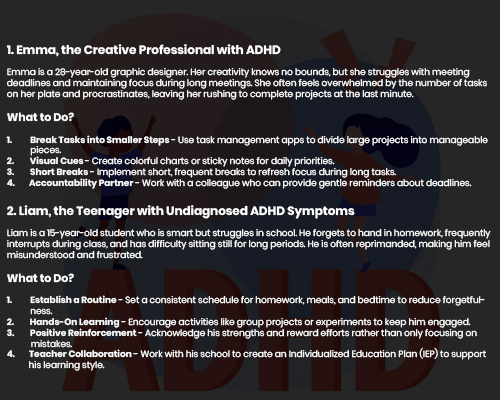
Situations of Two People Living with ADHD