
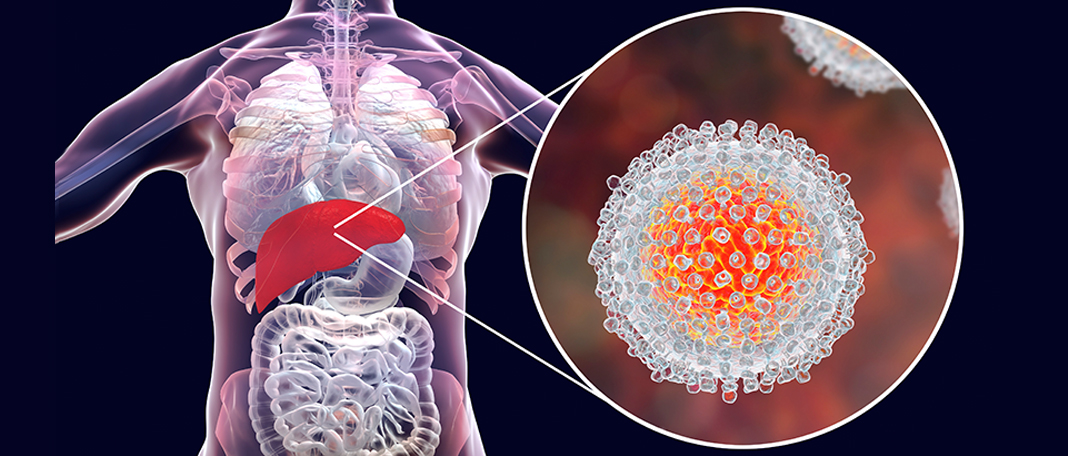
There are millions of people in the world who are not aware of being infected with viral hepatitis A, B, C, D, E. Find the difference, causes, symptoms, treatments, and more.
What Is Hepatitis?
Hepatitis is a viral infection that infects the liver. The hepatitis virus is found in human feces and is transmitted either through the consumption of contaminated food, drinks, or through sexual intercourse.
Where Does Hepatitis Come From?
Fossil results have proven that hepatitis viruses have been around during the era of dinosaurs but infected only birds and small mammals. Though hepatitis is usually transmitted from person to person, in rare cases, hepatitis can also occur as an auto-immune disease.
Which Hepatitis Is Bad?
Hepatitis A, B, and C are considered the most common and dangerous types. There is no cure for Hepatitis B and infected individuals usually recover by themselves. The risk of developing a chronic inflammatory liver condition is high after contracting Hepatitis B and C.
What Organ Is Involved with Hepatitis?
Hepatitis affects only the liver. It may cause inflammation or damage the liver cells completely. This, in turn, makes the liver vulnerable to cancer, fibrosis, cirrhosis (scarring), and liver failure.
Viral Hepatitis Symptoms
The common symptoms of viral Hepatitis A, B, C, D, E are:
- Fatigue and joint pain
- Flu-Symptoms
- Dark urine
- Pale and clay-like stools
- Jaundice symptoms
- Sudden weight loss
- Loss of appetite
- Abdominal pain near the liver
Viral Hepatitis Treatments
Currently, there are no treatments that can give a complete cure for hepatitis A, B, C, D, E. HAV, and HEV usually clear by themselves over a period of time anywhere from 6 months to a year. Treatments for HBV and HCV would reduce the viral load drastically. Though HDV seems to clear by itself, treatment is required to prevent it from developing into a chronic condition.
Which of the Following Foods Is Best Known to Transmit Hepatitis?
The common ways you can contract viral hepatitis from consuming contaminated food and water are by:
- Eating unpeeled vegetables and fruits
- Undercooked food from fast food joints and restaurants
- Consuming ice made out of contaminated water
- Shellfish
What Is the Difference Between Viral Hepatitis A, B, C, D, E?
The basic difference between the types of viral hepatitis according to CDC are:
| Differences | Hep A | Hep B | Hep C | Hep D | Hep E |
| Medical Name | HAV | HBV | HCV | HDV | HEV |
| How Serious Is It? | Severe in people above 60 years | Deadly for people above 60 years | Acute infection causes lifelong damages | Lifelong damages and deadly | Deadly for pregnant women |
| How Common Is It in the U.S.? | Infection rates are increasing | Infection rates are stable | It is the most common type | Only immigrants have it at present | Americans who travel to infected regions have it |
| Incubation Period | 15 to 50 Days | 60 to 150 Days | 2 weeks to 6 months | 45 to 60 Days | 2 to 10 weeks |
| How Is Hepatitis Diagnosed? | Symptoms and blood tests | Blood tests, ultrasound, Transient elastography | Anti-HCV test and symptoms | HDV RNA test | Elimination test and travel history |
| Hepatitis Prevention | 2 doses of Vaccination, safe sex, and sanitization | Vaccination and serologic evaluation | Avoid contaminated needles | Hep B vaccines | Hep E vaccines are not approved by FDA yet |
| Hepatitis Treatment | Nutrition, fluid, and medical care | Antiviral medications | Direct-acting antiviral medications | Liver transplant | No treatment, supportive therapy can help |
| What are the chances of it becoming chronic? | Short-term | 2% to 6% | 70% | Less than 5% | Rare |
Who Is At Risk of Getting Hepatitis?
The risk of hepatitis getting severe increases with age but adults who are at risk involves:
- Homosexual men of infected sexual partners
- International travelers
- Individuals who use contaminated medical equipment like syringes to infuse drugs and other toxins.
- Alcoholics and homeless people
- Organ transplant receivers.
- Exposure due to occupation (Healthcare professional exposed to contaminated blood and other bodily fluids)
- Pregnant women (the child is also at risk) and HIV patients
- People who may share food and water with immigrants, international adoptees, etc.
Getting vaccinated, practicing safe sex, being aware of the source of food and water consumed, getting tested within 2 weeks of exposure are a few ways to prevent Hepatitis A, B, C, D, E infections.
What is the Most Common Hepatitis for Children, How to Prevent It, and Notable Signs

Hepatitis A is the most common type of hepatitis affecting children, particularly in developing regions with poor sanitation. It spreads easily through contaminated food and water, and close contact with an infected person. The good news? It rarely causes chronic liver disease and most children recover completely within a few weeks.
How to Prevent It
- Vaccination: The Hepatitis A vaccine is safe and recommended for all children starting at age 1.
- Hand hygiene: Teach kids to wash their hands before meals and after using the restroom.
- Safe drinking water: Use purified water for drinking and food prep.
- Food safety: Ensure food is cooked thoroughly and fruits/vegetables are washed properly.
Notable Signs in Children
- Yellowing of the skin or eyes (jaundice)
- Loss of appetite
- Fatigue or irritability
- Fever
- Dark urine or pale stool
- Nausea or vomiting
Children often show mild or no symptoms, which is why prevention through vaccination is key.
What is the Most Common Hepatitis for Adults and How Dangerous It Is

Among adults, Hepatitis C is the most prevalent chronic form of hepatitis in the U.S., affecting over 2 million people. It spreads mainly through blood-to-blood contact, often via:
- Sharing needles
- Inadequately sterilized medical equipment
- Blood transfusions before 1992
- Tattooing or body piercing with unclean tools
Why It’s Dangerous
Most people do not show symptoms until liver damage is advanced.
- Chronic Hepatitis C can lead to cirrhosis, liver failure, or liver cancer.
- No vaccine exists yet, though treatment options are effective.
Prevention Includes
- Avoiding shared needles or razors
- Ensuring safe and sterile tattoo/piercing practices
- Routine testing for high-risk groups (e.g., people born between 1945–1965)
- Practicing safe sex and using protection
Living with Hepatitis A, B, C, D, and E

Living with hepatitis requires awareness, lifestyle adjustments, and regular medical care. Each type varies in severity, duration, and long-term impact.
- Hepatitis A & E: These are acute and typically self-limiting. Rest, hydration, and proper nutrition help recovery. Avoid alcohol during illness.
- Hepatitis B & C: These may become chronic. Patients require antiviral medication, liver monitoring, and lifestyle adjustments (e.g., avoiding alcohol and smoking). With early diagnosis and modern treatments, many live healthy lives.
- Hepatitis D: Only occurs in people already infected with Hepatitis B. It can accelerate liver damage. Interferon therapy is often prescribed, and Hepatitis B vaccination helps prevent it.
Tips for Daily Management
- Maintain a healthy, balanced diet
- Avoid alcohol, as it stresses the liver
- Get regular liver function tests
- Stay informed on the latest treatment options
- Seek emotional support or counseling when needed
People Also Ask (FAQs)
1. Can hepatitis be cured completely?
Hepatitis A and E usually resolve on their own. Hepatitis C can now be cured in most cases with antiviral therapy. Hepatitis B is manageable, but not completely curable yet.
2. Is hepatitis contagious through kissing or casual contact?
Hepatitis A and E can spread through close personal contact, but not typically through kissing. Hepatitis B can be transmitted via saliva but is more commonly spread through blood, semen, or vaginal fluids. Hepatitis C is not spread through casual contact.
3. How long can someone live with chronic hepatitis?
With treatment and healthy lifestyle changes, many people with chronic Hepatitis B or C live long, healthy lives. Early diagnosis and medical follow-up are crucial.
4. Can children get hepatitis from their mothers?
Yes, especially Hepatitis B and C can be transmitted during childbirth. Pregnant women are advised to get screened, and newborns should receive the Hepatitis B vaccine within 24 hours of birth.
5. Can hepatitis affect pregnancy or fertility?
Chronic hepatitis can increase the risk of pregnancy complications. However, with medical monitoring and treatment, most women can have healthy pregnancies.
6. What foods should people with hepatitis avoid?
Avoid alcohol, high-fat foods, and overly processed or sugary items. Prioritize liver-friendly foods like leafy greens, fruits, and lean proteins.
7. Is it safe to exercise with hepatitis?
Yes, moderate exercise can help reduce fatigue and boost energy. However, consult a doctor before starting any new fitness routine.