High blood pressure, also known as hypertension, is a common health issue that affects millions of people worldwide. If left untreated, it can lead to serious health problems like heart disease, stroke, and kidney failure. While medications are often prescribed to control blood pressure, many people prefer to manage it naturally. The good news is that there are several effective ways to lower blood pressure without relying on medicine. In this blog, we'll explore how to reduce blood pressure naturally through simple lifestyle changes.
Quick Blood Pressure Self-Check Quiz
Before learning how to reduce blood pressure naturally, take this quick self-check. These common signs and habits may indicate that your blood pressure needs attention.
Answer “Yes” or “No” to the questions below:
1. Do you often experience headaches or dizziness?
☐ Yes
☐ No
2. Do you feel stressed or anxious most days?
☐ Yes
☐ No
3. Do you eat salty, processed, or fast food frequently?
☐ Yes
☐ No
4. Do you exercise less than 3 times a week?
☐ Yes
☐ No
5. Do you get tired easily or feel short of breath?
☐ Yes
☐ No
6. Do you have trouble sleeping or staying asleep?
☐ Yes
☐ No
7. Has a doctor ever told you your blood pressure was high?
☐ Yes
☐ No
Your Results
✅ 0–2 “Yes” Answers
Your lifestyle may be supporting healthy blood pressure levels. Continue maintaining healthy habits and regular checkups.
⚠️ 3–5 “Yes” Answers
You could be at risk of developing high blood pressure. Lifestyle changes and regular monitoring may help.
🚨 6–7 “Yes” Answers
Your blood pressure may need medical attention. Consider checking your blood pressure soon and speaking with a healthcare professional.
Important Note: This quiz is not a medical diagnosis. Blood pressure can only be confirmed accurately using a proper blood pressure monitor or medical evaluation.
Blood Pressure and Its Causes
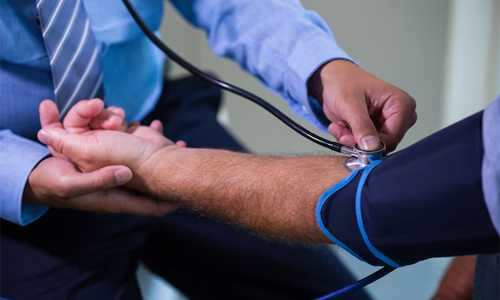
Before diving into how to lower blood pressure, it’s important to understand what it is and what causes it. Blood pressure measures the force of blood against the walls of your arteries as your heart pumps it. It's recorded in systolic (when your heart beats) and diastolic (when your heart rests between beats). High blood pressure means your heart is working harder than it should, which can lead to health problems.
High blood pressure can result from a combination of factors such as:
- If your family has a history of hypertension
- Unhealthy diet
- Lack of physical activity
- Stress
- Environmental factors, like pollution and a demanding work environment
Knowing the exact cause can help you take the right steps to manage it naturally.
Lifestyle Modifications
One of the most effective ways to lower your blood pressure is to make some changes to your lifestyle. Here are a few simple steps you can take:
1. Eat Your Way to Lower Blood Pressure
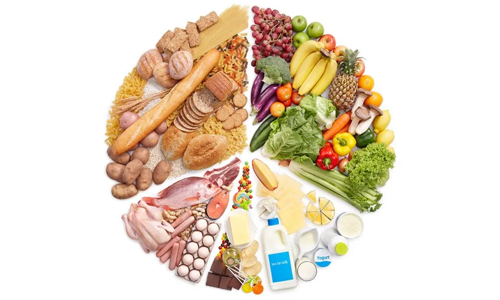
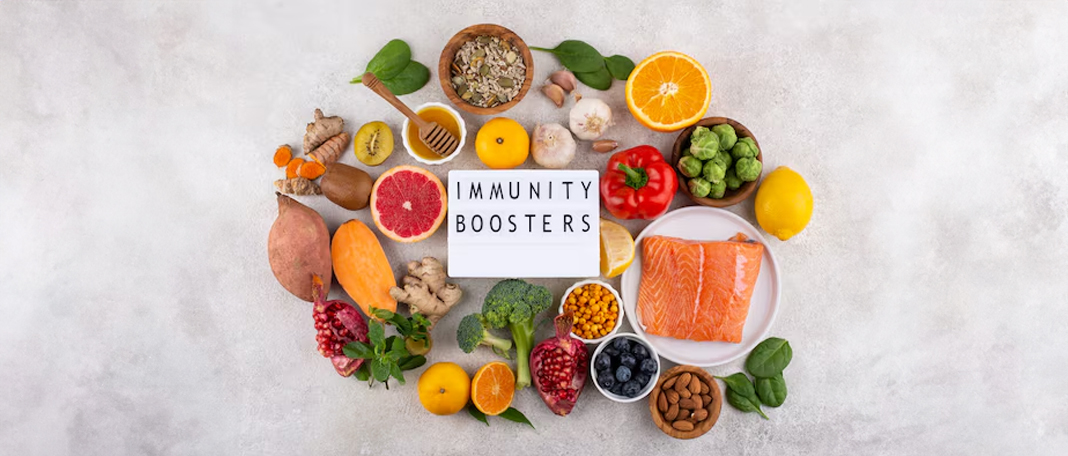
One of the most powerful ways to lower blood pressure naturally is through diet. What you eat has a direct impact on your blood pressure levels. The DASH diet, which stands for Dietary Approaches to Stop Hypertension, is specifically designed to help manage blood pressure. This diet focuses on eating plenty of fruits, vegetables, whole grains, low-fat dairy products, and lean proteins while reducing the intake of processed foods, salt, and unhealthy fats. Reducing your sodium (salt) intake is also vital. Too much salt can cause your body to hold onto water, which raises blood pressure. Try to limit processed foods and be mindful of how much salt you add to your meals. On the flip side, increasing your intake of potassium and magnesium can help balance your blood pressure. Foods like bananas, spinach, and beans are great sources. Omega-3 fatty acids, found in fish like salmon, can also help keep your heart healthy.
But diet is just one piece of the puzzle. To see even better results, combining a healthy diet with regular physical activity is important.
2. Make Moves For a Healthier Heart
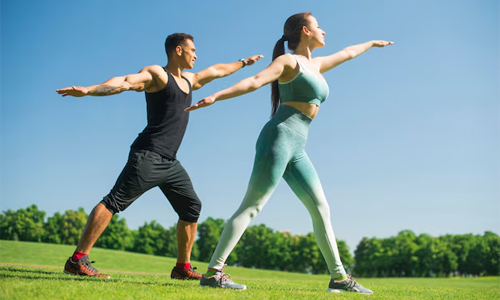
Along with a healthy diet, regular physical activity is essential for lowering blood pressure. When you engage in regular physical activity, your heart becomes stronger and can pump blood with less effort, reducing the pressure on your arteries. Different types of exercises can help, such as aerobic exercises (like walking, jogging, or swimming), strength training, and flexibility exercises like yoga. If you’re new to exercise, start with something you enjoy, and gradually increase the intensity and duration to keep your heart healthy.
Exercise also helps reduce stress, which brings us to our next topic: managing stress effectively.
3. Calm the Mind to Heal the Body

Do you know? Stress is a major contributor to high blood pressure. When you're stressed, your body releases hormones that temporarily increase your blood pressure by causing your heart to beat faster and your blood vessels to narrow. Fortunately, there are several ways to manage stress. Techniques like mindfulness, meditation, and deep breathing exercises can help you stay calm and keep your blood pressure in check. Even simple practices like taking time to relax and manage your day effectively can also make a big difference. Another factor that often goes hand-in-hand with stress is sleep, which is crucial for maintaining healthy blood pressure.
4. Sleep: The Often Overlooked Factor

Quality sleep is essential for overall health, including blood pressure control. When you don't get enough sleep, or the sleep you do get is poor, it can negatively affect your heart and raise your blood pressure. To improve your sleep, establish a regular bedtime routine, create a restful sleep environment, and avoid stimulants like caffeine and screens before bed. Good sleep can be a game-changer in your journey to lower blood pressure naturally.
And if you're also looking to lose some weight, you’ll be glad to know that better sleep can help with that too.
5. Shed Pounds to Ease Pressure
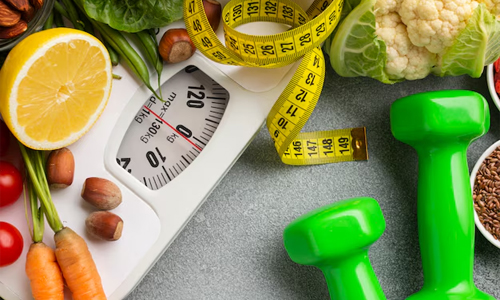
Carrying excess weight puts extra strain on your heart, which can lead to higher blood pressure. Losing even a small amount of weight can significantly lower your blood pressure. A combination of healthy eating and regular exercise is the best way to achieve and maintain a healthy weight. As you work on these lifestyle changes, it's also important to consider the effects of alcohol and smoking on your blood pressure.
6. Limit Alcohol and Quit Smoking

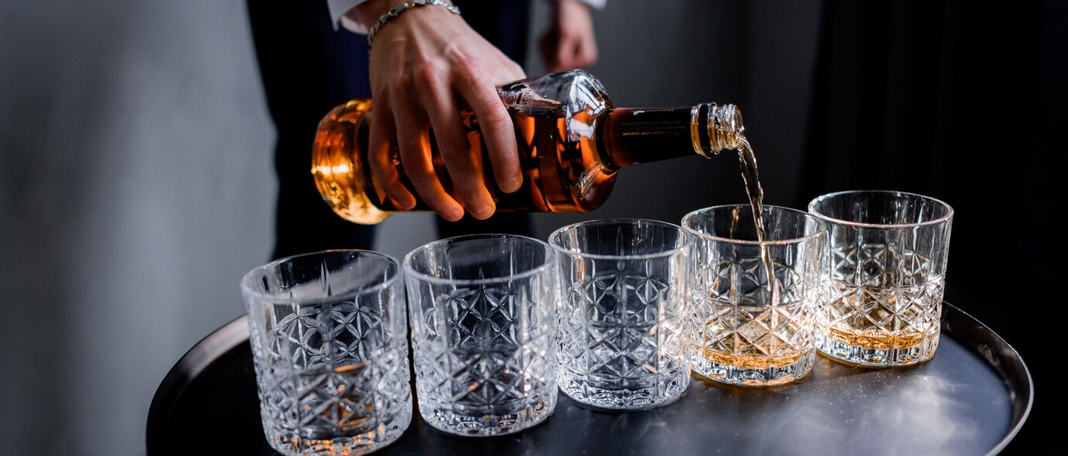
Alcohol and smoking both hurt your blood pressure. While moderate alcohol consumption might be okay for some people, drinking too much can raise your blood pressure. Smoking, on the other hand, is harmful to your blood pressure and overall health. Quitting smoking can immediately improve your heart health and lower your blood pressure.
Finally, you might be wondering about natural supplements as a way to lower blood pressure.
7. Natural Supplements: Do They Work?
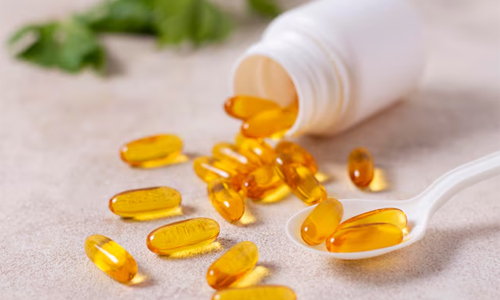
In addition to diet and exercise, certain herbs and supplements may help lower blood pressure naturally. Healthy herbs like garlic, hibiscus, and flaxseed have been shown to have blood pressure-lowering effects. Supplements such as omega-3 fatty acids, magnesium, and CoQ10 can also be beneficial.
Always consult with your healthcare provider before starting any new supplement, especially if you're already taking medication for high blood pressure.
8. Build a Support System

Lowering blood pressure naturally is easier when you have the support of family, friends, or a community. Sharing your goals with loved ones can help you stay motivated and on track. Joining a support group or an online community can also provide encouragement and practical tips from others who are on the same journey. Remember, you don’t have to do it alone—support from others can make a big difference.
9. Monitor and Track Your Progress
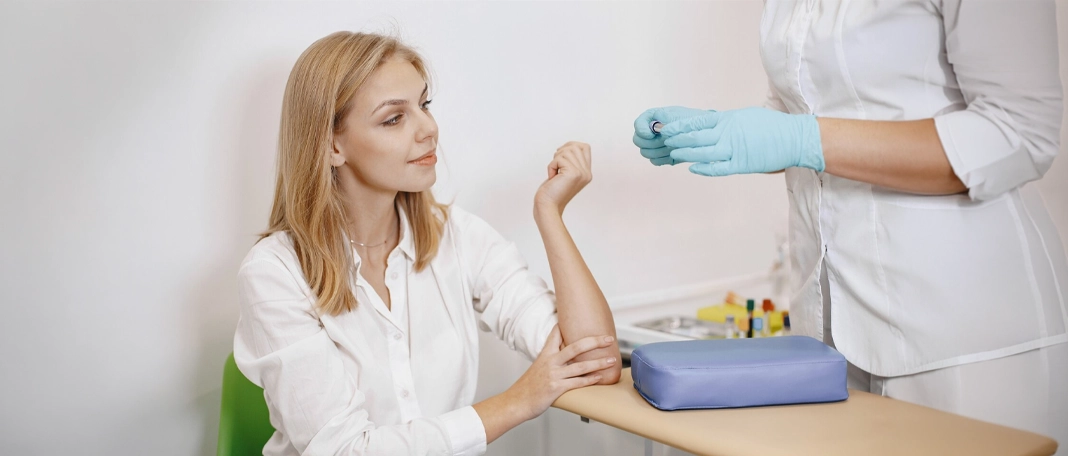
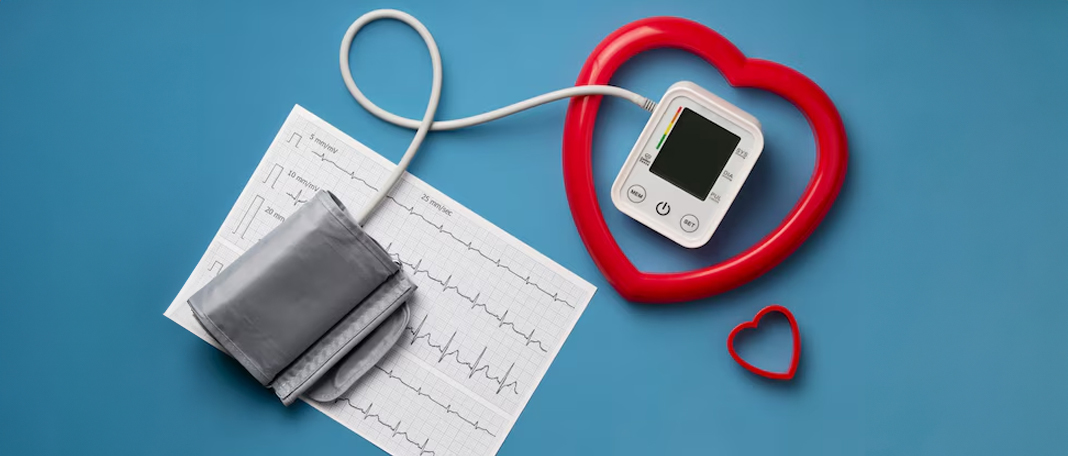
Regularly monitoring your blood pressure is crucial to see how well your natural methods are working. Keeping track of your progress can motivate you to continue making healthy choices. There are many apps and devices available that make it easy to track your blood pressure at home. By staying on top of your numbers, you can make adjustments as needed to stay within a healthy range.
When to Seek Medical Advice?

While natural methods can be very effective in lowering blood pressure, it’s important to recognize when they might not be enough. If your blood pressure remains high despite your best efforts, or if you experience symptoms like dizziness, headaches, or chest pain, it’s crucial to seek medical advice. A healthcare provider can help you find the right balance between natural methods and any necessary medications.
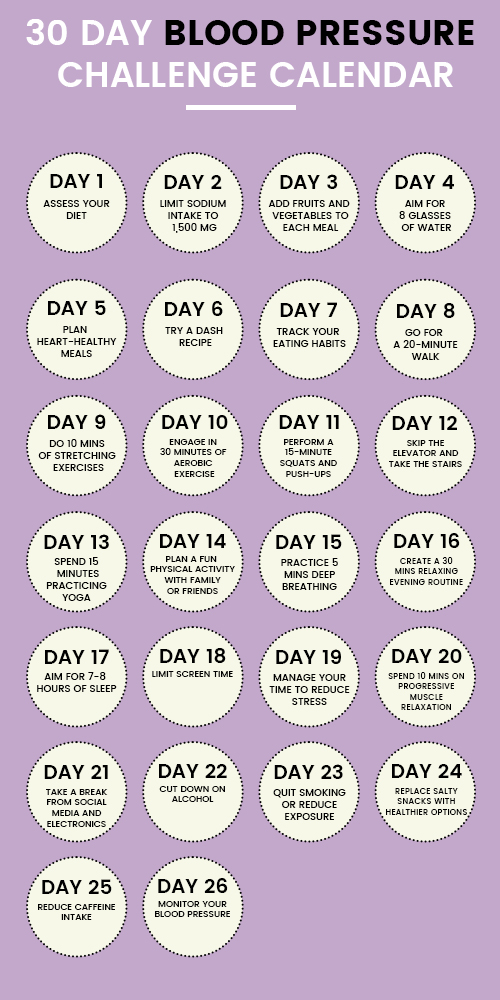
30-Day Blood Pressure Challenge Calendar
Based on the guidelines and recommendations from the American Heart Association, here's a 30-Day Blood Pressure Challenge Calendar that encourages healthy habits to help lower blood pressure naturally.
Healthier Heart Today!
Managing high blood pressure naturally is possible with the right combination of diet, exercise, stress management, and lifestyle changes. By understanding the causes and learning how to reduce blood pressure through proactive steps, you can lower your blood pressure and improve your overall health. Remember, these changes don't need to happen overnight. Start small, be consistent, and you'll see the benefits over time.