

Nosebleeds are usually not serious and are common due to the high density of blood vessels and the nose's location. However, in some cases, frequent nosebleeds can be a sign of a more severe underlying condition, such as leukemia. While there are many possible causes, pinpointing the exact reason can be challenging. I was wondering how to stop a nosebleed. Let’s explore some self-care tips you can try at home.
What is Nose Bleeding?
Nosebleeding is the loss of blood from the tissues inside your nose, which can occur in one or both nostrils. The nose contains many blood vessels near the inner surface, making them susceptible to injury. Air passing through the nose can irritate or damage these blood vessels, leading to nosebleeds.
What Causes Nose Bleeds?
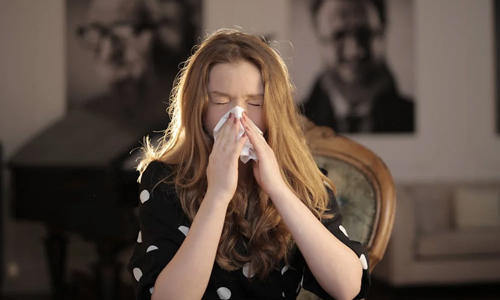
The cause of nosebleeds is unknown sometimes, but they can be caused by various reasons such as:
- Minor injury in your nose
- Blowing or cleaning out your nose hard
- Scratching your nose with a sharp fingernail
- Staying in high altitudes
- Severe allergies
- A blocked or stuffy nose regularly brings contamination
- Cocaine and other drugs you inhale through the nose
- Frequent use of nasal sprays
- Chemical irritants
Symptoms of Nose Bleeding
Most often, you will not experience many symptoms other than blood coming from the nose. Some symptoms of nose bleed include:
- Urgue to swallow often
- Bleeding from nostrils
- The sensation of flowing liquid at the back of the throat
Types of Nose Bleeds
There are two main types of nose bleeding: anterior(more common) and posterior(less common). Here is a detailed explanation of both types of nose bleeds.
1. Anterior Nose Bleeds
Nosebleeds often start in the lower part of the nasal septum, the wall that separates the two sides of your nose. The small blood vessels and capillaries in this area can easily break and cause bleeding. This type of nosebleed is especially common in children.
Causes of Anterior Nose Bleeds
- Excessive use of nasal decongestants
- A slanted nose that is intrinsic or a deviated septum
- Cleaning or blowing your nose hard
- Nose picking
- Infection of the nose lining, adenoids, or sinusitis
2. Posterior Nosebleeds
Posterior nose bleeds happen deep inside your nose. This bleeding starts from the branches of arteries that supply blood to your nose. These are more common in adults than children.
Causes of Posterior Nose Bleeds
- Broken nose
- Tumor in the nasal cavity
- Blow to your fall or head
- Latest nasal surgery
- Blood clotting abnormalities such as Von Willebrand disease or hemophilia
- Usage of medicines like aspirin, warfarin, and heparin
- Hardened arteries
- High blood pressure
Nose Bleeds in Kids
Nose bleeds are common in kids aged 3 to 10 years old. These can be caused by several reasons. However, most will stop on their own and can be treated in the home itself.
Causes

- Allergies and cold
- Medicine
- Picking the nose
- Objects in the nose
- Dry air
- Blowing the nose
What to Do?
- Stay calm and comfort your child
- Make sure your child sits upright on your lap or the chair
- Do not have your child lean back because it may cause vomiting or coughing
- Keep pressure on the nose for about 5 to 10 minutes
- Pinch the soft part of your nose gently with a clean washcloth or tissue
- Consult the doctor if your child has nose bleeds often
How to Stop Nose Bleeding at Home?

People can treat most nose bleeds at home. Stopping the bleeding should be your priority. Here are some home treatments you must follow
1. Sit Upright & Lean Forward
You can reduce blood pressure in the veins of your nose by sitting upright. This prevents further bleeding. Sitting forward will ensure you avoid swallowing blood, which can pain your stomach.
2. Gently Blow Your Nose
You can blow your nose to clear out the clotted blood. Also, spray a nasal medicine into your nose.
3. Pinch Your Nose
Use your index finger and thumb to pinch both nostrils. You can breathe through your nose. Make sure to pinch for five to ten minutes.
4. Repeat
If your bleeding doesn’t stop, you can repeat these steps for around 15 minutes.
Talk to the Healthcare Provider
If you are experiencing frequent nose bleeds, you can consult a doctor. It is necessary to identify the cause of consequent nose bleeding.
Nosebleeds are common and often occur due to direct injury, irritation, or other factors. They can typically be treated at home with nasal packing or by simply resting. However, in some cases, nosebleeds may be a sign of an underlying condition. If you experience frequent or severe bleeding, it’s important to consult a doctor.