Fall is a season of change—beautiful foliage, cooler temperatures, and the cozy comforts of pumpkin-spiced treats. Seasonal allergies affect 20-30% of people, with fall allergens like pollen and mold playing a major role. Those are a common issue that affects millions of people around the world. If you’re looking for helpful tips on managing symptoms or preventing discomfort, you’re in the right place. Let’s explore what causes these fall allergies and ways to ease their impact on your day-to-day life.
What Is a Fall Allergy?
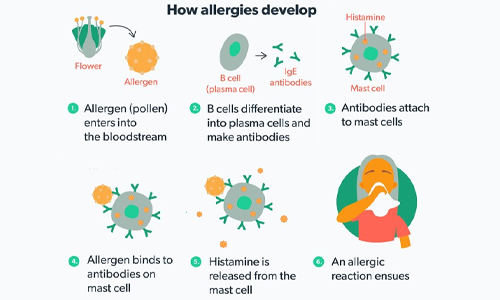
It’s a type of seasonal allergy caused by allergens that are more common in autumn, such as pollen from ragweed, mold spores, and dust mites. As the weather cools and the leaves begin to fall, these allergens become more prevalent in the air, triggering an overreaction from your immune system. Your body mistakenly identifies these harmless particles as threats, leading to a release of chemicals like histamine. This immune response results in familiar allergy symptoms, such as sneezing, nasal congestion, itchy or watery eyes, and even a scratchy throat. While these symptoms can be uncomfortable, they are a natural response to the allergens in the environment.
Can You Get Allergies in the Fall?
Not everyone experiences it, but certain groups of people are more prone to it due to their underlying health conditions or genetic factors. Here’s a closer look at who is most at risk.
1. People with Pre-existing Allergies
If you’re sensitive to allergens like pet dander or dust throughout the year, your immune system may overreact during fall, even to lesser-known triggers like decaying leaves or agricultural debris.
2. Individuals with Asthma
Changes in temperature and humidity during fall, combined with allergens, can irritate airways, making asthma symptoms harder to control. Even non-allergic asthma patients may find their condition aggravated due to seasonal environmental shifts.
3. Family History of Allergies
Genetics plays a pivotal role. If your parents or siblings suffer from allergies, your likelihood of experiencing them increases, even if you’ve never had symptoms before.
4. Children and Older Adults
Immature immune systems in children and weakened immunity in older adults can make these age groups more prone to seasonal reactions.
Every individual is not equally susceptible, but for those who are, understanding personal triggers and taking early precautions can make the season far more manageable.
What Causes Fall Allergies?
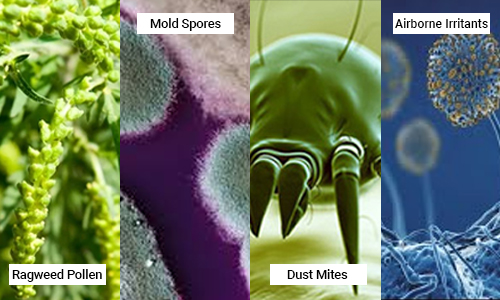
These are primarily triggered by specific environmental factors that release allergens into the air, leading to symptoms in sensitive individuals. Some causes of fall allergies are given below.
1. Ragweed Pollen
- Why It’s a Problem - Ragweed is one of the most common culprits during fall. A single plant can release billions of pollen grains, which are easily carried by the wind.
- When It Peaks - Late August to November, with the highest levels in September.
- Impact - Even small amounts can cause severe reactions for allergy sufferers.
2. Mold Spores
- Why It’s a Problem - Mold thrives in damp areas like piles of leaves, soil, or decaying plants. The spores become airborne and trigger allergies.
- When It Peaks - Damp and humid fall conditions encourage mold growth, with symptoms persisting until the first frost.
3. Dust Mites
- Why It’s a Problem - During fall, as we start closing windows and using heaters, dust mites become more prevalent indoors.
- Impact - Dust mites can trigger sneezing, congestion, and other allergy symptoms, especially in poorly ventilated spaces.
4. Pet Dander
- Why It’s a Problem - Spending more time indoors during the cooler months increases exposure to pet allergens.
- Impact - Dander from pets can combine with other allergens, exacerbating symptoms.
5. Airborne Irritants
- Why It’s a Problem - Pollution levels, smoke from fireplaces, and even scented candles can irritate sensitive individuals.
- Impact - These irritants don’t cause allergies but can worsen symptoms by inflaming nasal passages.
Understanding Triggers
Knowing what causes those allergies can help you take proactive steps to manage symptoms and minimize discomfort. Whether it’s using an air purifier or avoiding peak pollen times, targeted strategies can make a big difference.
When Do Fall Allergies Start?
They usually begin in late August and gain momentum through September and October. The exact timing depends on factors like location and weather conditions. In warmer climates, allergens like ragweed and mold spores can linger well into November. Cooler regions may see a reduction in allergens after the first frost, which kills pollen-producing plants and reduces mold growth.
For many, the peak allergy period coincides with back-to-school season, making symptoms like sneezing and congestion even more challenging to manage. Understanding the timeline of the allergies in your area can help you prepare and take preventive measures ahead of time.
Difference Between Fall and Spring Allergies
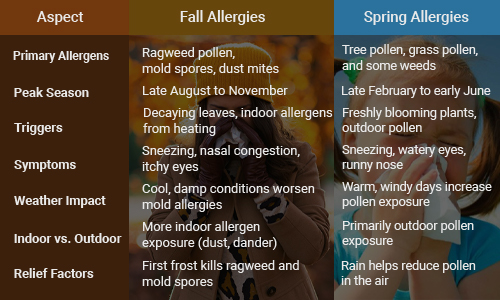
Does a Face Mask Help with Fall Allergies?
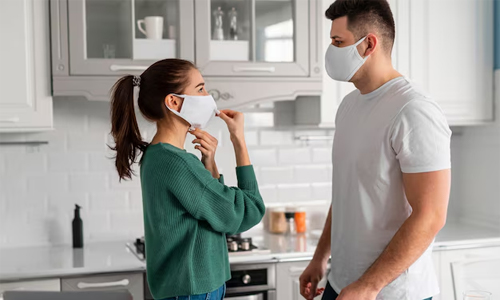
Face masks can be a valuable tool in managing fall allergies. Masks, particularly those with high filtration efficiency like N95 or surgical masks, help block allergens from entering your nose and mouth. By reducing direct exposure to these irritants, masks can significantly alleviate symptoms for many allergy sufferers.
However, it’s essential to choose the right mask and use it properly. Make sure your mask fits snugly over your nose and mouth without gaps. While masks are a great preventive measure for outdoor activities, pairing them with other strategies, like washing your face and hair after being outside, can further minimize allergen exposure.
Fall Allergy Symptoms
A fall allergy brings a wide range of symptoms that can vary from mild inconvenience to severe disruption of daily life. Here’s how they affect people:
1. Respiratory Symptoms
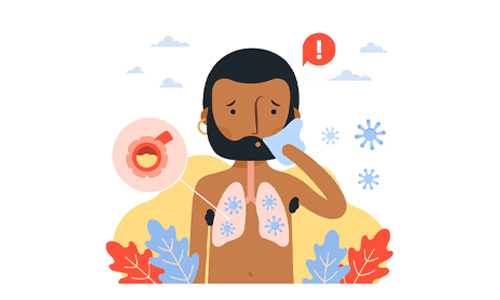
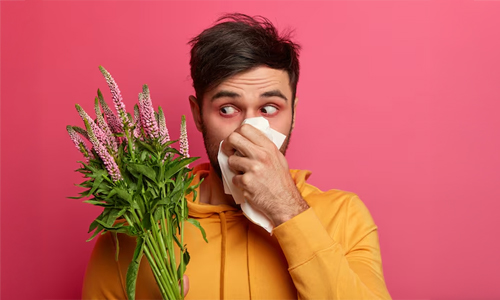
One of the most common effects of these allergies is respiratory discomfort. Sneezing, nasal congestion, coughing, and a persistent runny nose can make even simple tasks feel exhausting.
2. Eye Issues
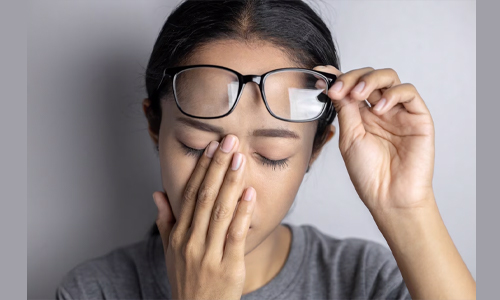
Sometimes, exposure to allergens causes a condition known as allergic conjunctivitis. Its symptoms can make focusing on work or enjoying outdoor activities challenging.
3. Skin Reactions
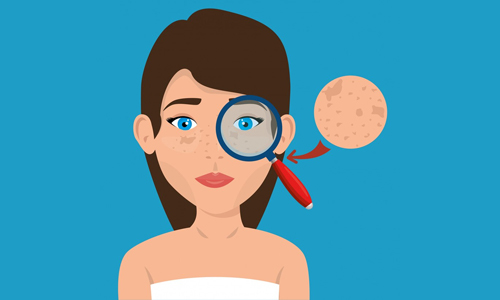
For those with sensitive skin, fall allergens can cause rashes or trigger conditions like eczema. Direct contact with mold spores or other allergens can lead to itching, redness, and inflammation, making skin care a critical part of managing it.
4. Fatigue
Chronic allergy symptoms, especially nasal congestion and poor-quality sleep, can leave you feeling constantly tired and less productive. This fatigue isn’t just physical—many people also report feeling mentally drained due to the constant discomfort and disruption to their routines.
5. Emotional Impact

Persistent symptoms can take a toll on emotional well-being. Feeling unwell for an extended period can lead to frustration, irritability, and even anxiety about going outdoors.
What to Do If You Notice Allergy Symptoms?
- Recognize the symptoms
- Start with OTC remedies
- Try natural solutions
- Stay hydrated
- Minimize exposure
- Wear a mask outdoors
- Use an air purifier indoors
- Wash off allergens after outdoor activities
- Keep windows closed during peak allergen times
- Consult a healthcare provider
- Monitor local pollen counts
- Consider allergy testing for targeted treatment
Government Precautions for Fall Allergies
Governments and health organizations have taken steps to address seasonal allergies.
- Pollen Alerts - Daily updates help individuals plan outdoor activities during high-pollen periods.
- Awareness Campaigns - Informative drives provide tips on managing allergens and reducing exposure.
- Air Quality Monitoring - Efforts to control pollution contribute to better respiratory health.
- Urban Planning - Low-allergen plants are prioritized in public spaces to minimize pollen exposure.
- Healthcare Access - Subsidized treatments and free screenings support allergy management.
These initiatives aim to reduce the impact of these allergies and promote public health.
How to Prevent Allergies?
Indoor Prevention Tips
- Use Air Purifiers - Invest in HEPA filters to trap airborne allergens.
- Clean Regularly - Dust and vacuum frequently, especially carpets and upholstery.
- Wash Bedding - Use hot water to kill dust mites and allergens.
- Control Humidity - Use dehumidifiers to keep indoor humidity below 50%.
Outdoor Prevention Tips
- Monitor Pollen Counts - Limit outdoor activities during high-pollen times, typically early mornings.
- Change Clothes - After outdoor activities, shower and change to remove pollen from your skin and hair.
- Wear Sunglasses - Protect your eyes from pollen exposure.
- Keep Windows Closed - Use air conditioning instead of opening windows to keep allergens out.
Is It Necessary to See an Allergist?
Visiting an allergist can make a significant difference, especially if your symptoms are persistent, severe, or unmanageable with over-the-counter remedies. Allergists can accurately diagnose your specific triggers through tests and create a tailored treatment plan to address your needs. This may include medications or immunotherapy for long-term relief. If your allergies are disrupting daily life—affecting sleep, concentration, or routine—it’s worth seeking professional help. While mild allergies may not require an allergist, more severe cases often benefit greatly from expert care.
Fall allergies may be a seasonal nuisance, but with the right knowledge and strategies, they can be managed effectively. By understanding what triggers your symptoms, taking preventive measures, and seeking professional guidance when needed, you can reclaim your comfort and enjoy the beauty of autumn. Don't let allergies hold you back—start taking steps today for a sneeze-free season.